
INDUSTRY SOLUTIONS
Automation Components Machining Services for Precision Parts
Automation components machining is the process of manufacturing high-precision parts used in industrial automation systems, production equipment, and intelligent machinery. At 6CNC, we provide on-demand automation components machining for custom metal and plastic parts, helping you achieve tight tolerances, consistent repeatability, and stable performance from prototype to production.
One-stop solution (machining + finishing)
Fast turnaround & reliable delivery
Competitive pricing for low-volume production
Trusted by
industry leaders










10+ Years
of CNC Machining Expertise
50,000+
Precision Parts Delivered
140+
Advanced CNC Machines
10,000+
Satisfied Clients Worldwide
Precision Machining for Automation Industry
Automation systems depend on accuracy, repeatability, and continuous operation.
Unlike general mechanical parts, automation components must:
- maintain consistent positioning over repeated cycles
- operate smoothly in motion systems
- ensure alignment between interacting components
- support long-term reliability under high-frequency use
Even small deviations can lead to positioning errors, vibration, or system instability.
Precision machining is essential because automation equipment relies on repeatable accuracy, not just one-time precision. CNC machining enables this by delivering controlled and consistent production across batches.
What We Machine for Automation Applications
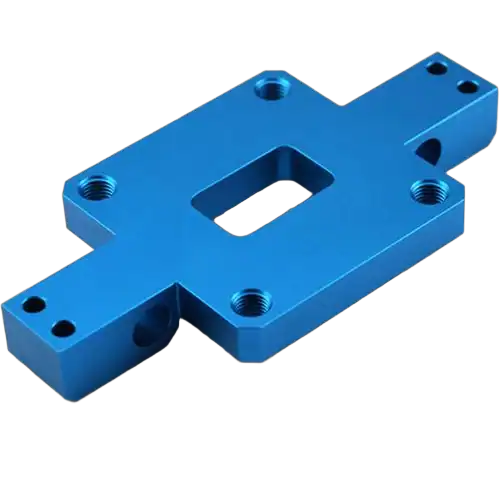
We manufacture a wide range of automation precision components used in industrial systems and production lines.
Typical automation components include:
- linear motion system components
- precision brackets and mounting parts
- shafts, pins, and bushings
- actuator and motor mounts
- gear housings and transmission parts
- sensor housings and enclosures
- conveyor system components
- automation fixtures and tooling
- structural frames and support components
These parts are essential for guiding, supporting, and controlling motion in automated systems.
We produce custom automation parts based on your drawings, not standard catalog components.
Automation Components Machining Capabilities
Automation parts require both precision and efficiency.
The machining process must support tight tolerances while maintaining production consistency.
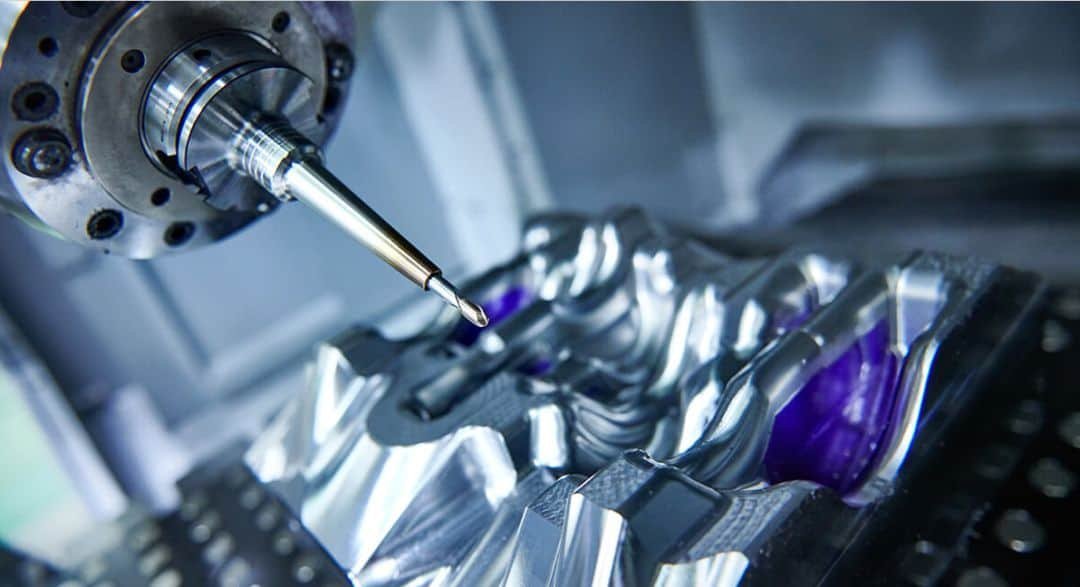
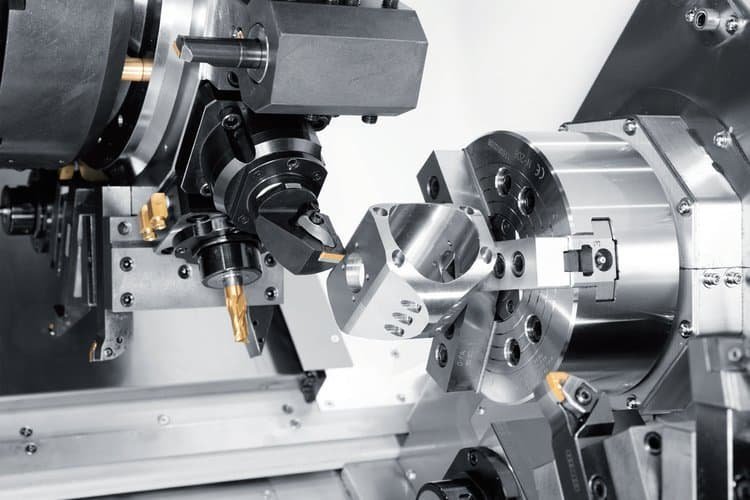
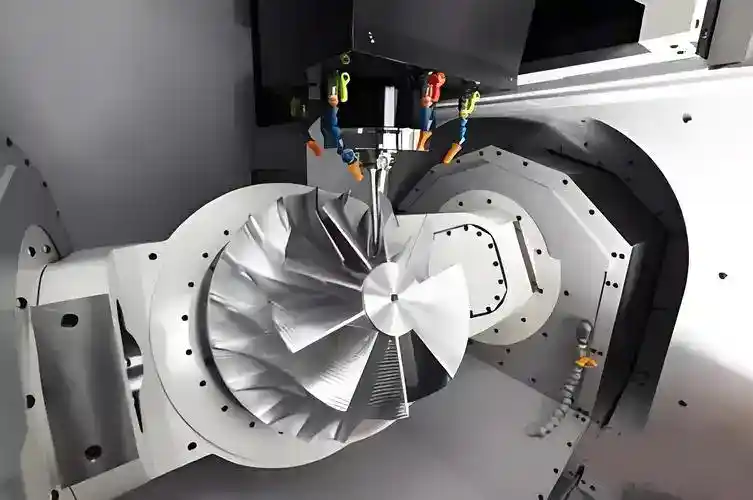
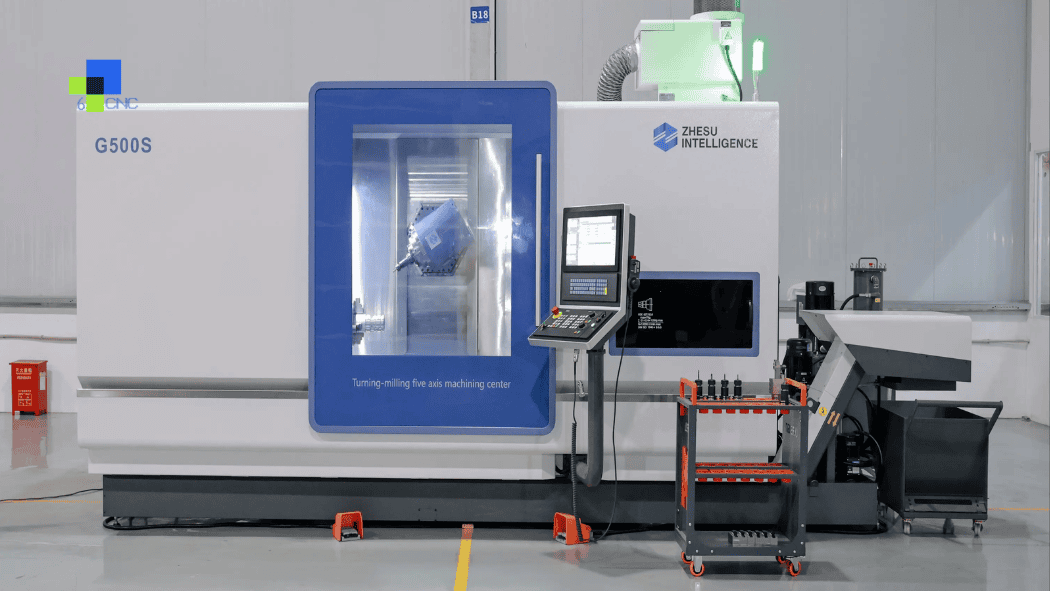
Mill-Turn Machining
Combines turning and milling in one setup to reduce cumulative tolerance errors.
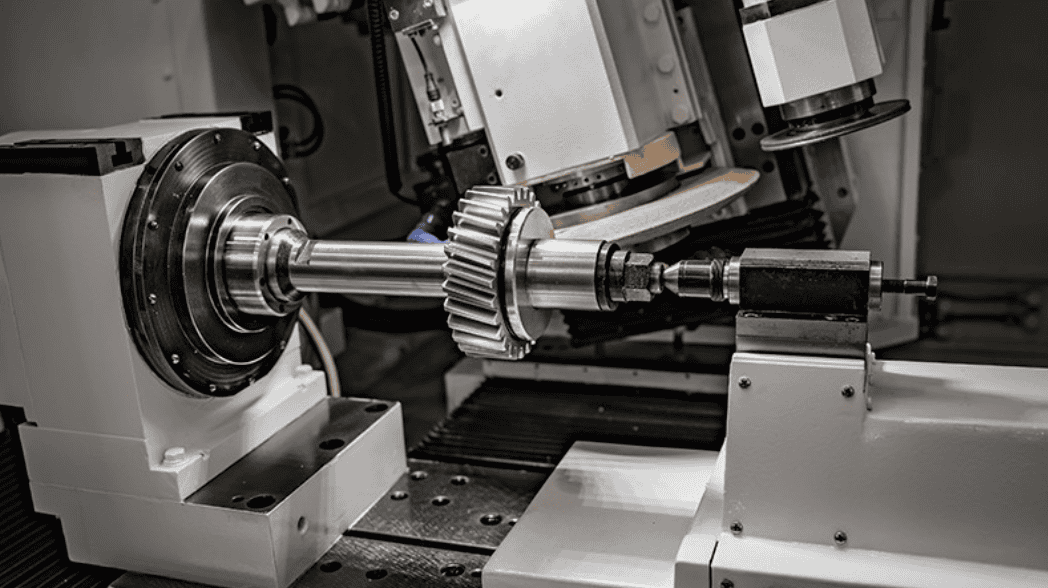
Precision Grinding
Used for critical surfaces where tighter tolerances and smoother finishes are required.
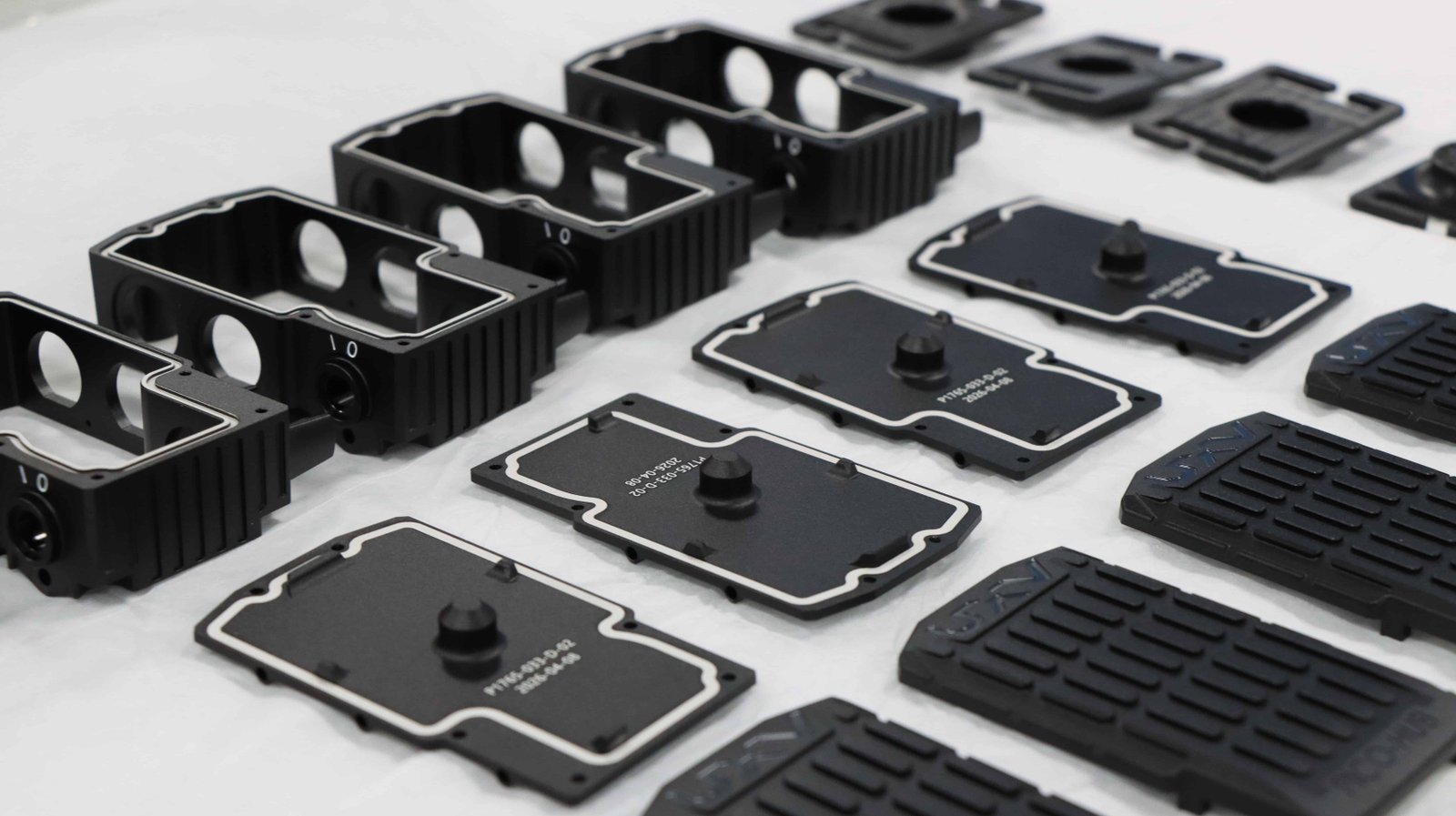
Complementary Processes
Wire EDM, 3D printing, and surface finishing support specialized requirements.
Materials for Automation Precision Components
Material choice affects durability, wear resistance, and system performance.
Common metals
| Aluminum | Carbon Steel and Alloy Steel | Stainless Steel | Copper and Brass Alloys |
|---|---|---|---|
| Lightweight and widely used in automation structures. | Used for load-bearing and high-strength components. | Provides corrosion resistance in demanding environments. | Used in electrical and connector components. |
Common plastics
| POM (Acetal) | Nylon | PEEK | ABS / PC |
|---|---|---|---|
| Low friction and high dimensional stability. | Wear-resistant for moving components. | Used in high-performance automation applications. | Used for housings and protective parts. |
Material selection should balance performance, cost, and manufacturability.
Why High Precision Automation Machining Matters
Automation systems rely on consistent performance over time.
Repeatability
Automation requires the same motion and positioning every cycle. CNC machining ensures this consistency.
Efficiency
Accurate parts reduce system adjustment and improve production efficiency.
Reduced wear
Proper tolerances and surface finishes reduce friction and extend component life.
Scalability
Automation manufacturing requires the ability to produce consistent parts at scale.
Tolerance and Production Consistency
In automation machining, consistency is often more important than extreme precision.
A part that meets tolerance once is not enough.
It must perform the same across every unit in production.
At 6CNC, we ensure this through:
- process optimization based on part geometry
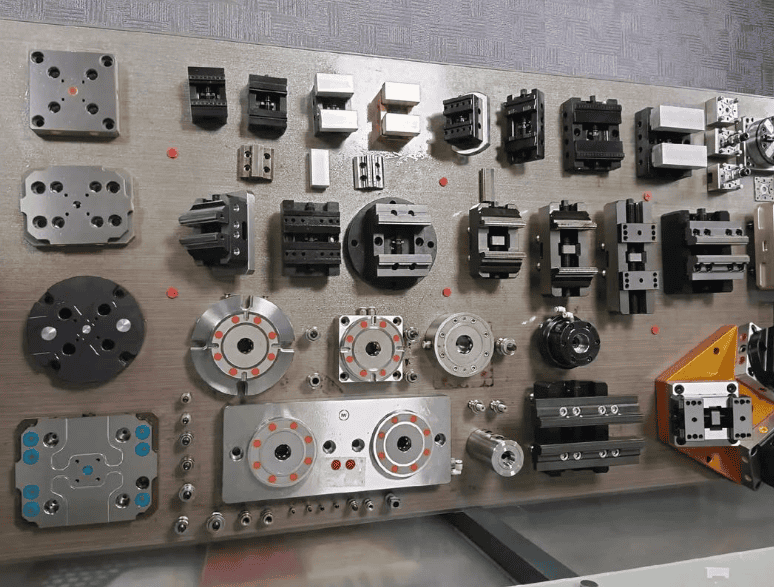
- fixture design for repeatability
- in-process inspection
- final quality verification
- batch consistency control
Precision machining can achieve extremely tight tolerances when required, but the key is maintaining that precision across production runs.
Design Considerations for Automation Components
Well-designed parts improve both performance and manufacturability.
Focus on functional tolerances
Apply tight tolerances only where performance requires them.
Simplify geometry
Reduce machining complexity and cost.
Consider motion systems
Ensure proper alignment between moving components.
Select materials carefully
Material affects wear, strength, and machining stability.
Design for inspection
Critical features must be measurable to ensure quality.
Apply tight tolerances only where performance requires them.
Reduce machining complexity and cost.
Ensure proper alignment between moving components.
Material affects wear, strength, and machining stability.
Critical features must be measurable to ensure quality.
Why Choose 6CNC for Automotive Precision Machining
6CNC is a precision manufacturing partner focused on custom automation components.
What you can expect:
on-demand custom manufacturing for metal and plastic parts
support from prototype to production
multiple machining capabilities in one place
stable quality across batches
practical engineering support
We help you reduce downtime, improve system performance, and control production costs.
FAQ About Automation Components Machining
What is automation components machining?
It is the process of manufacturing precision parts used in automation systems and industrial equipment.
What parts are used in automation systems?
Common parts include brackets, shafts, housings, motion components, and fixtures.
What materials are used in automation machining?
Aluminum, steel, stainless steel, and engineering plastics such as POM and nylon.
What affects machining cost?
Material, tolerance, geometry complexity, and production volume.
Can CNC machining support scalable production?
Yes. CNC machining supports both prototype and production with consistent quality.
Related reading: Precision Components in the Automation Era: US Manufacturing CapEx and the Machining Buildout
START A CONVERSATION