
Custom multi-face milling service
4-Axis CNC Machining Services for Multi-Side and Rotary Parts
6CNC provides indexed and simultaneous 4-axis CNC milling for custom parts with side features, repeated angular positions, cylindrical details, and critical relationships around a controlled rotary axis.
Indexed 3+1 machining and simultaneous rotary toolpaths
Reduced re-clamping for features on multiple faces
DFM, workholding, machining, finishing, and inspection support
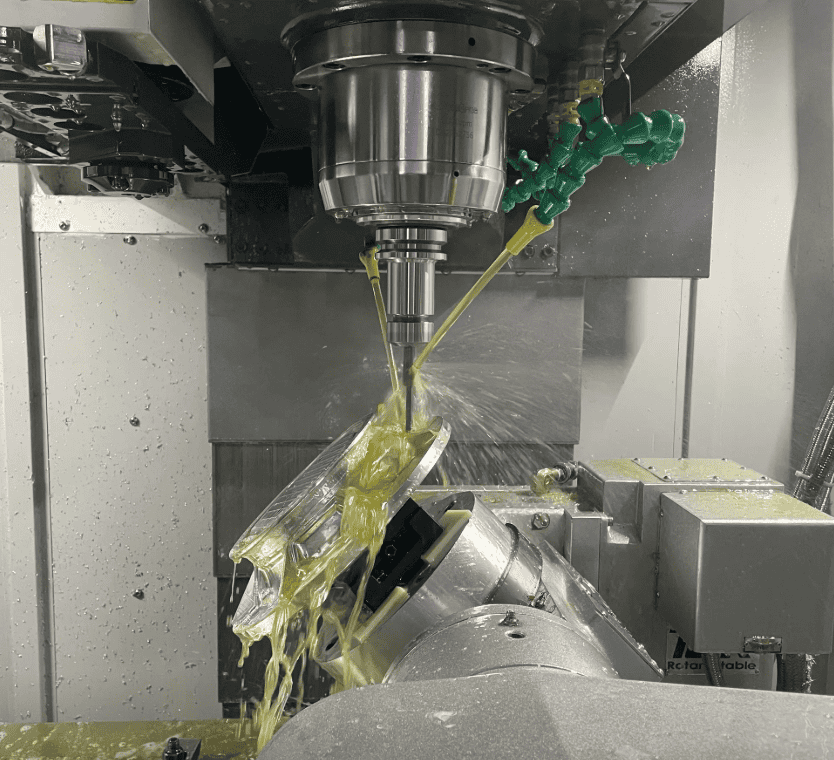
4-axis process selection at a glance
X, Y, Z + rotary axis
The workpiece is indexed or rotated around one controlled axis.
Best fit
Multi-side features, radial holes, flats, slots, and cylindrical details.
Escalate when needed
Use 5-axis when critical features require two rotary degrees of freedom.
Process fit
Is 4-Axis Machining Right for Your Part?
A 4-axis machining center adds a controlled rotary axis to conventional X, Y, and Z motion. It is a strong option when several features share a common rotational relationship or when multiple sides can be reached by rotating the workpiece in one fixture.
- Holes, slots, pockets, or flats repeat around a cylindrical or prismatic part.
- Critical features on several faces benefit from fewer manual re-clamps.
- The geometry can be referenced to one primary rotary axis.
- Indexed positions or continuous rotary cutting can simplify the toolpath.
Two operating modes
Indexed 4-Axis Machining vs. Simultaneous 4-Axis Milling
The right mode depends on whether the rotary axis only positions the part or moves continuously during cutting. We confirm the strategy from the model, drawing, datum scheme, workholding, and inspection plan.
01
Indexed 4-Axis (3+1)
The rotary axis positions and locks the workpiece at a programmed angle before three-axis cutting begins. This is effective for holes, pockets, flats, and profiles on several faces.
02
Simultaneous 4-Axis
The rotary axis moves during cutting together with linear axes. It supports wrapped contours, helical details, cam-like forms, and continuous features around a cylinder.
03
Rotary Production Workholding
Chucks, collets, fixtures, and tombstone-style arrangements can improve repeatability and throughput when the geometry and batch size justify them.
Capability planning
4-Axis CNC Milling Capability by Requirement
Final capability is confirmed from the controlled model and drawing. Part diameter, length, rotary clearance, tool access, fixture stiffness, material, tolerance, and inspection access all influence the manufacturing plan.
| Requirement | Typical 4-axis approach | Engineering review |
|---|---|---|
| Production range | Prototypes and controlled low-volume batches | Repeat production and multi-part fixtures depend on geometry, setup, and demand |
| Common operations | Milling, drilling, boring, reaming, tapping, engraving, and rotary contouring | Continuous wrapped features require simultaneous toolpath review |
| Rotary strategy | Indexed angular positions or simultaneous A-axis motion | Rotation direction, zero position, clearance, and fixture interference are validated before machining |
| Tolerance | Drawing-based allocation by feature and datum relationship | Rotary runout, indexing error, tool reach, and reorientation risk are reviewed together |
| Inspection | First-article, in-process, and final dimensional checks | CMM, rotary-feature measurement, surface roughness, and reports as specified |
| File inputs | 3D model plus controlled 2D drawing | Include material, quantity, finish, datums, GD&T, critical features, and acceptance criteria |
Planning note: “4-axis” does not automatically mean every feature can be produced in one setup. Tool access, fixture clearance, part rigidity, and the orientation of the rotary axis determine the actual setup plan.
Inside 6CNC
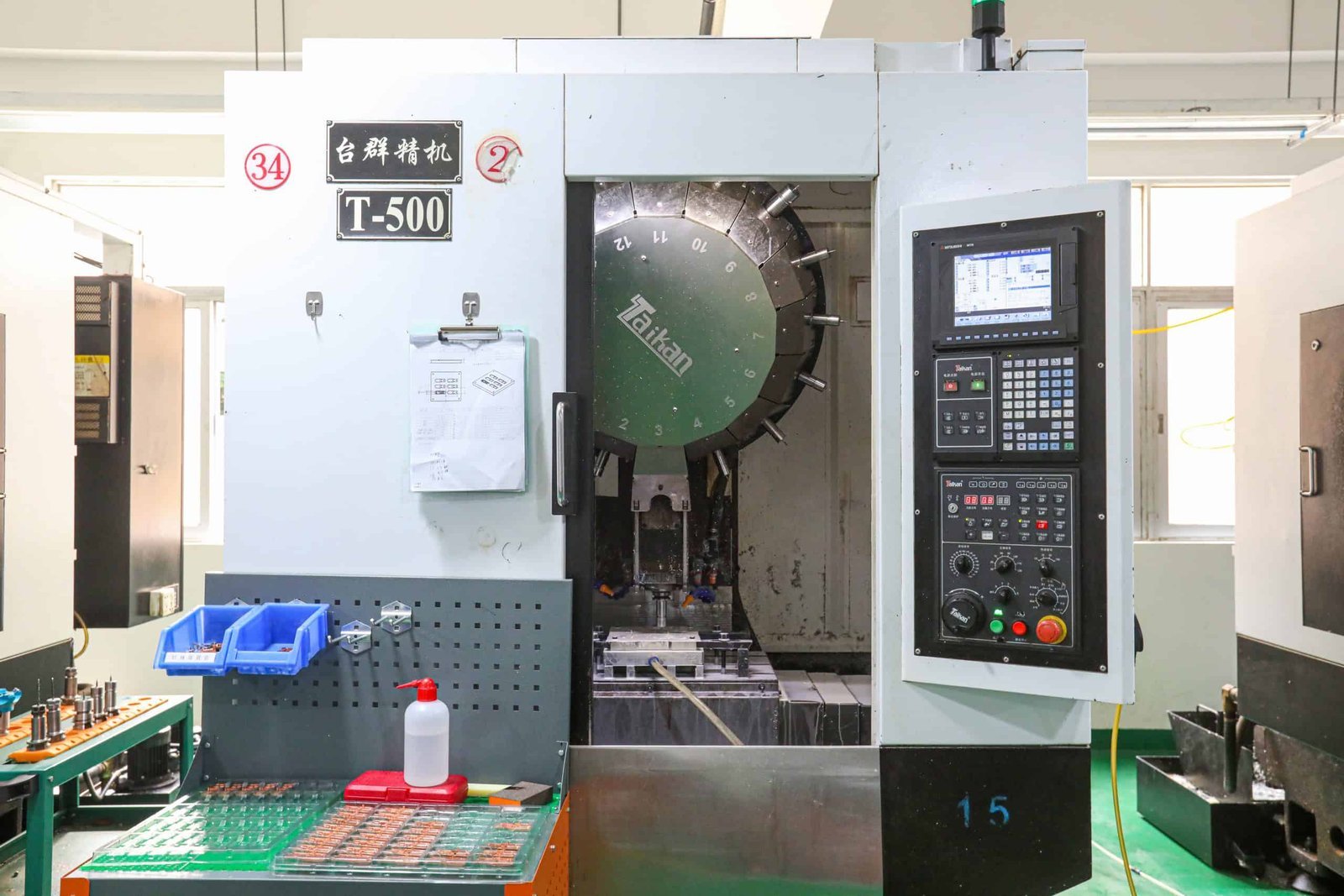
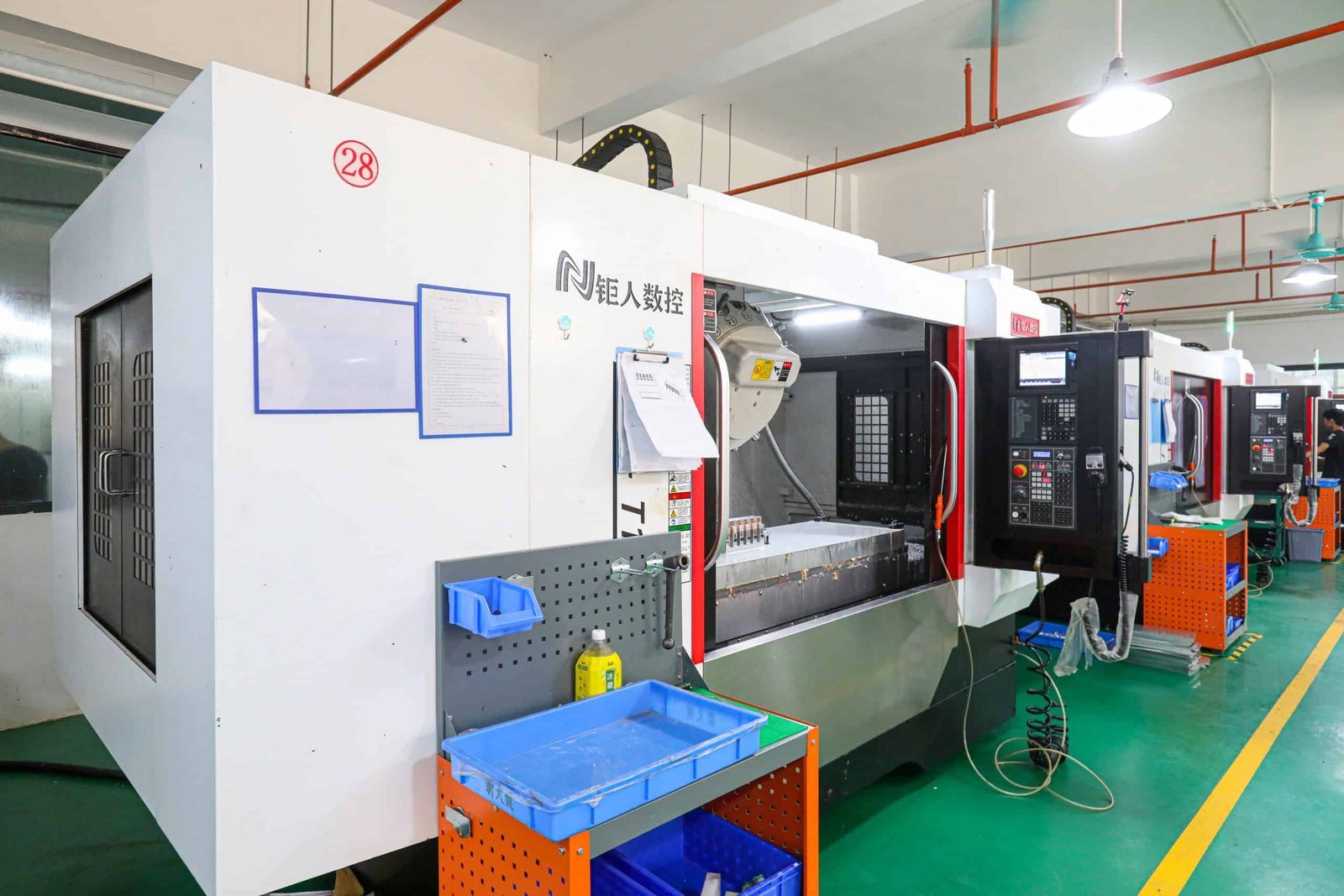
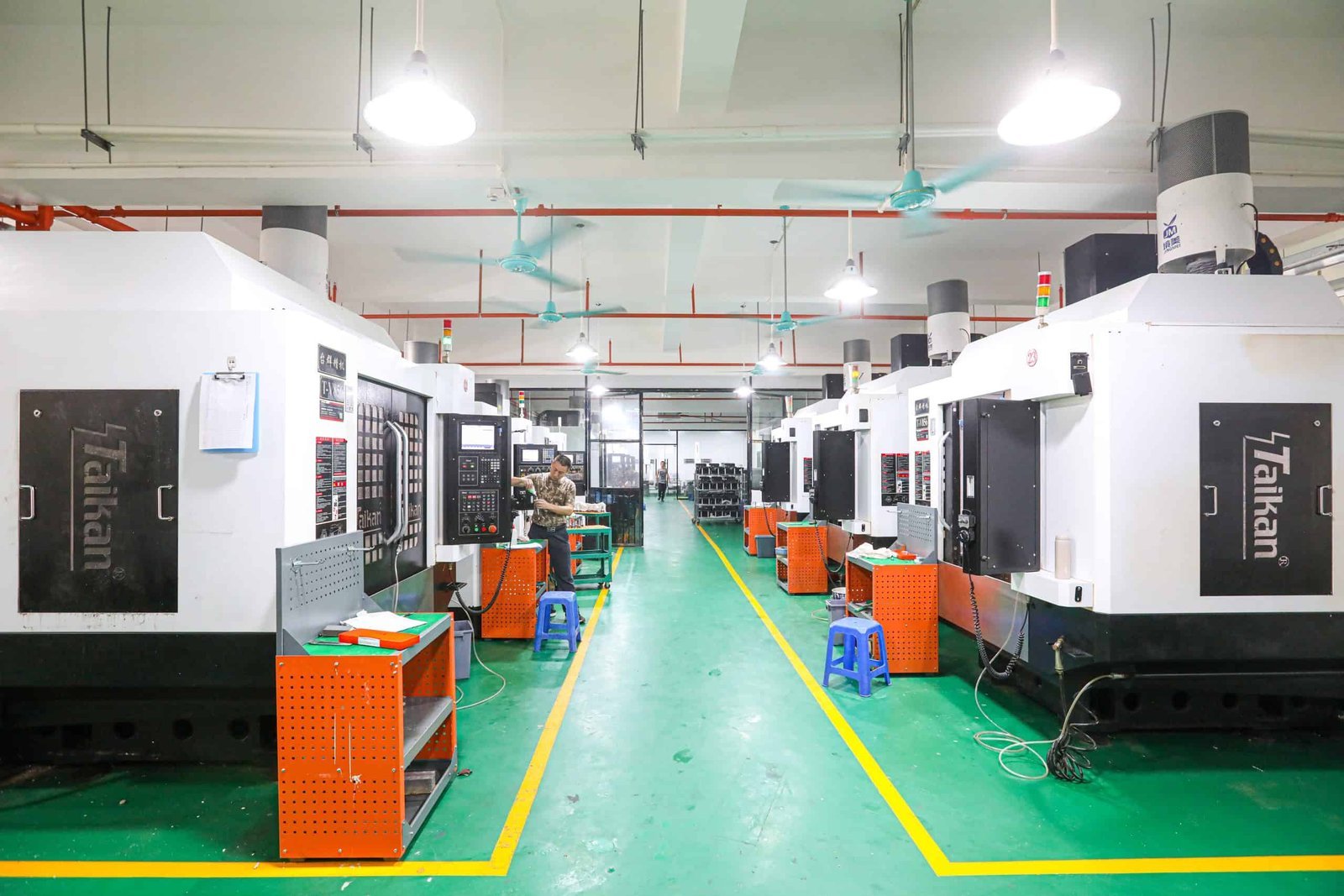
Our 4-Axis Custom Parts Factory in Shenzhen, China
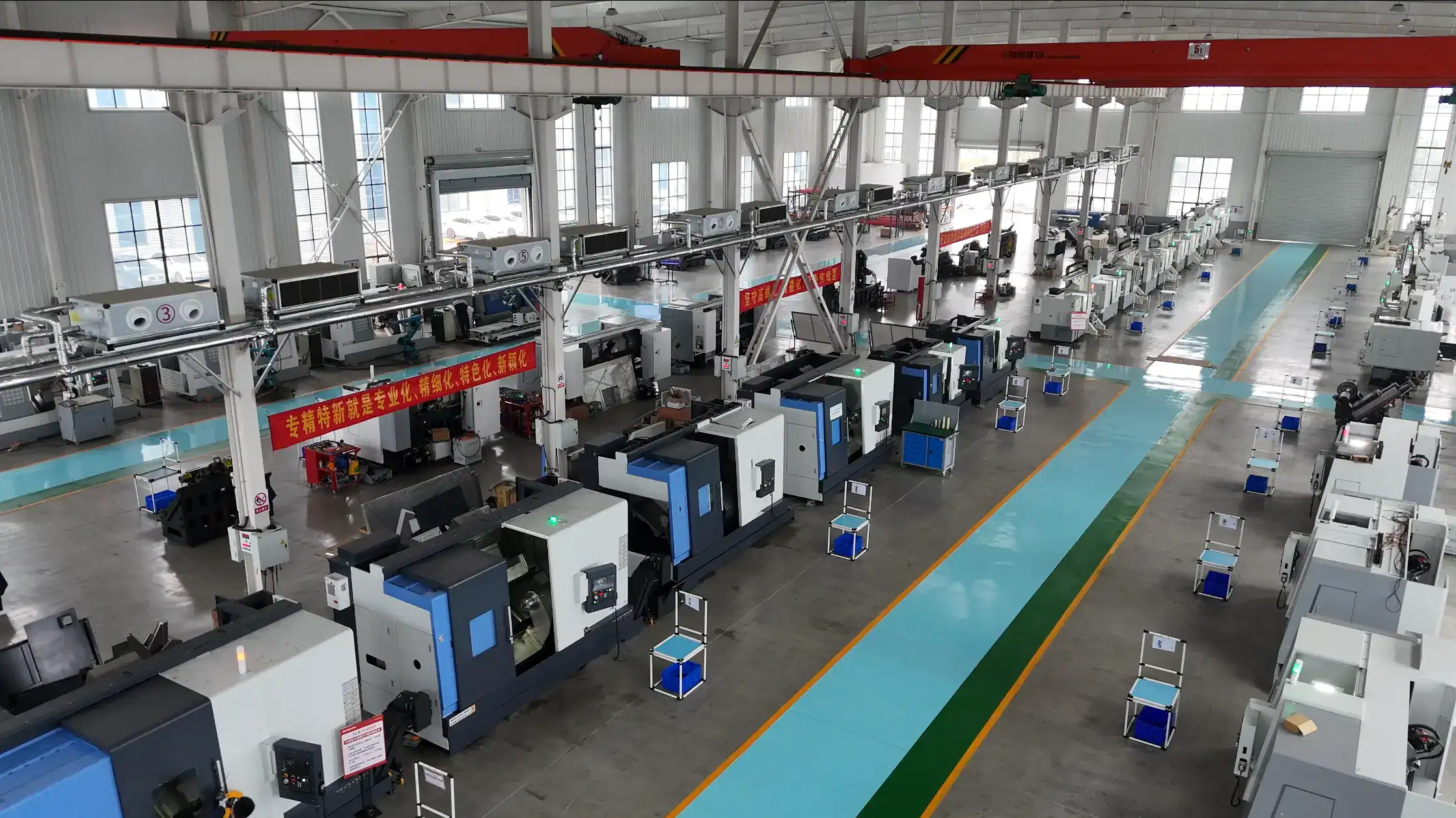
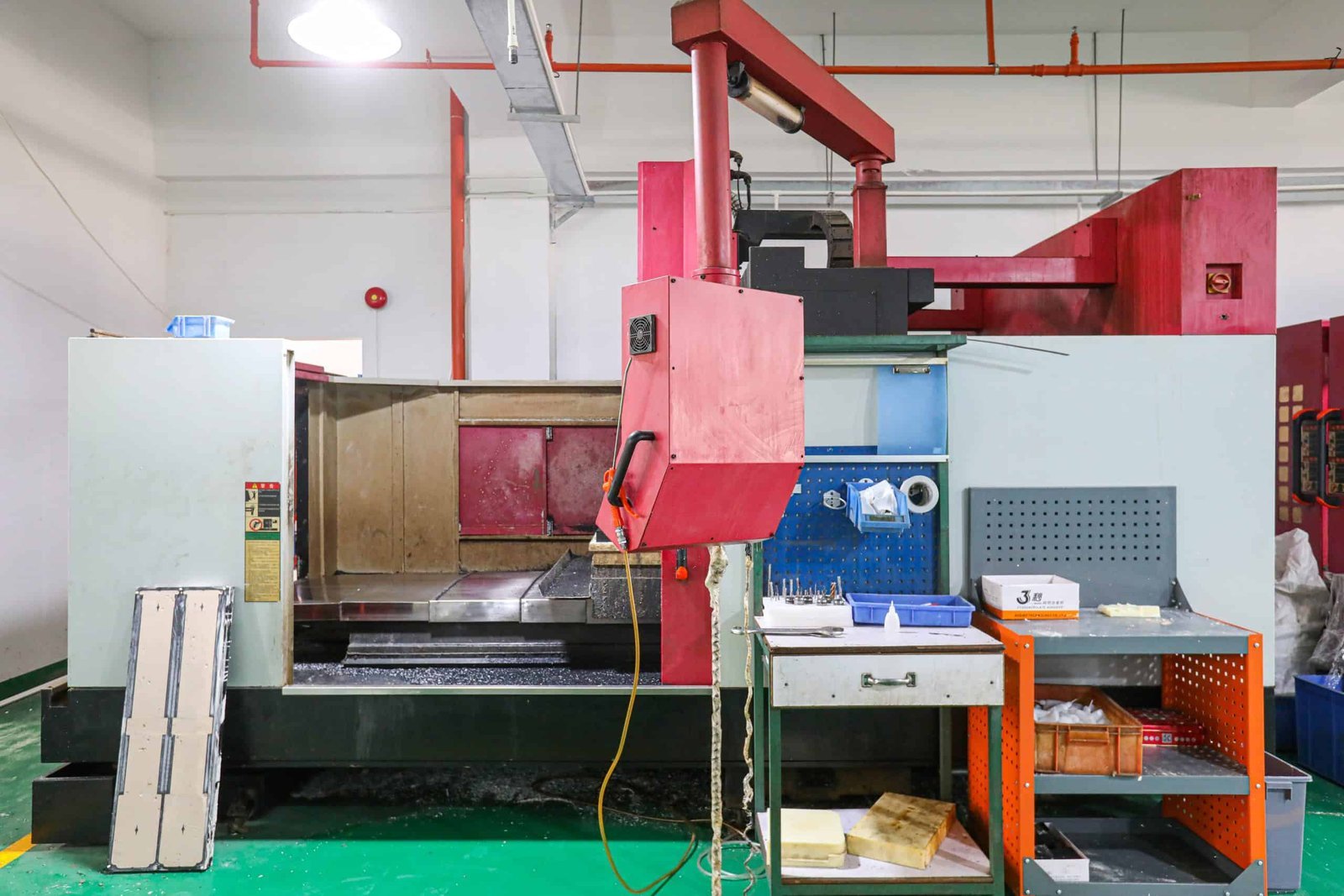
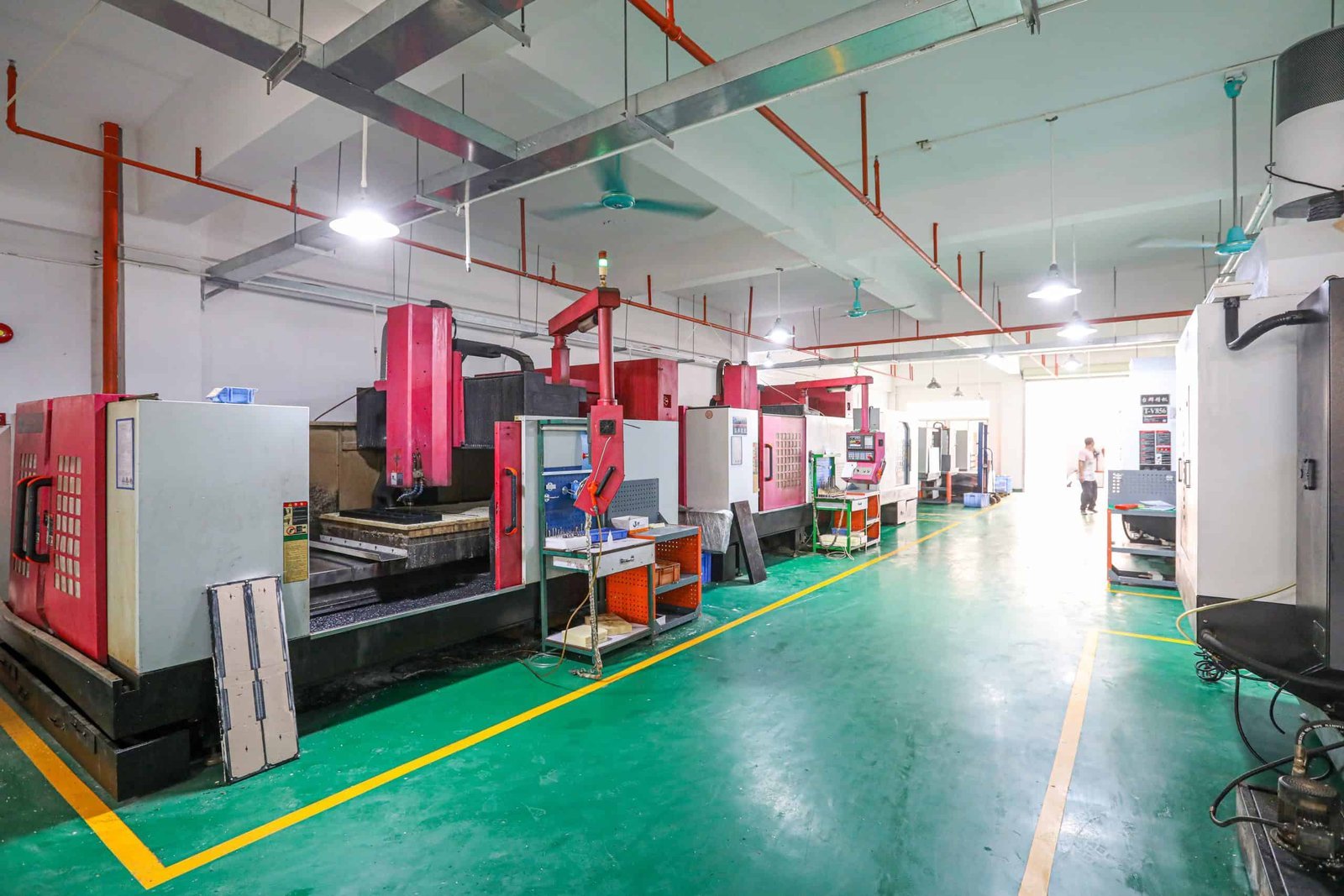
6CNC operates a precision manufacturing facility with more than 140 CNC machines. Our integrated capabilities support custom 4-axis parts from rotary-axis planning and workholding through machining, inspection, finishing, and delivery.
For each project, our engineers review whether indexed 3+1 positioning or simultaneous 4-axis motion provides the most controlled and economical process for the drawing.
Custom part applications
Custom 4-Axis Parts We Can Review
4-axis machining is especially useful when features repeat around one axis or when several faces must remain related through a controlled setup.
01
Shafts and Cylindrical Bodies
Radial holes, flats, keyways, slots, engraved details, and milled features around round stock.
02
Manifolds and Valve Blocks
Ports, intersecting passages, mounting faces, and threaded features located on several sides.
03
Housings and Brackets
Multi-face pockets, connector openings, mounting patterns, and datum-related side features.
04
Cam and Helical Features
Continuous or indexed rotary contours reviewed for tool access, motion, finish, and inspection.
05
Fixtures and Tooling
Locating nests, rotary fixtures, inspection tooling, and production aids with repeated angular details.
06
Prototype Components
Functional parts used to validate assembly, motion, sealing, fit, and the selected manufacturing route.
Materials and finishes
Materials for 4-Axis CNC Machining
Material behavior affects workholding pressure, tool load, heat, burr formation, distortion, surface finish, and achievable rotary accuracy. Specify the exact grade and condition in the RFQ.
Material group
Aluminum
Common options
6061, 6063, 6082, 7075, 2024, 5052
Finishing examples
As machined, bead blasting, anodizing, conversion coating, powder coating
Stainless steel
Common options
201, 301, 303, 304, 316, 416
Finishing examples
Passivation, polishing, bead blasting, electropolishing
Steel and tool steel
Common options
1018, 1045, 4140, 4340, A2, D2, H13
Finishing examples
Black oxide, plating, heat treatment, grinding, coating
Brass and copper
Common options
C36000 and other specified grades
Finishing examples
As machined, polishing, nickel or tin plating, protective coating
Engineering plastics
Common options
ABS, POM, nylon, polycarbonate, PEEK, PTFE, acrylic
Finishing examples
As machined and material-compatible polishing or protective handling
Quality and inspection
Control Rotary Relationships from Datum to Inspection
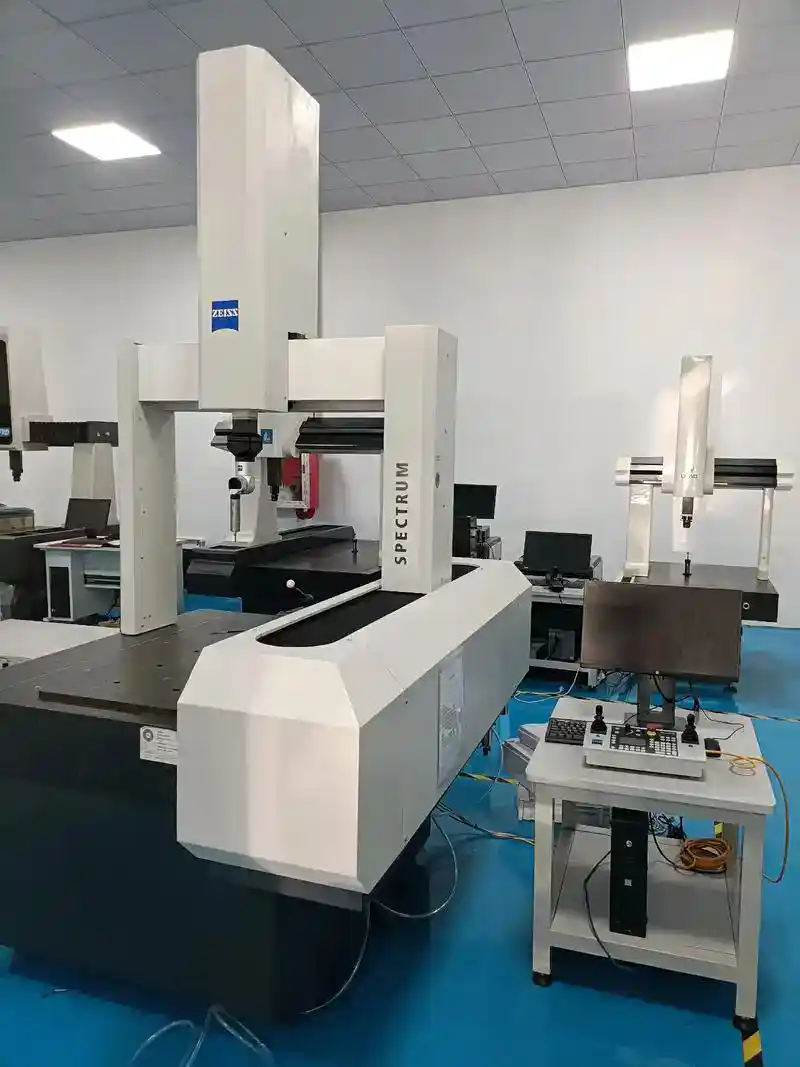
Multi-face machining reduces handling, but it does not remove the need for a clear datum and measurement strategy. We plan how the part is located, where the rotary zero is established, which features share a setup, and how angular relationships will be verified.
- Drawing, revision, and datum review before production
- Rotary workholding and clearance verification
- First-article checks before continuing the batch
- In-process monitoring for runout, drift, or distortion
- CMM and surface measurement when appropriate
- Inspection documentation according to project requirements
Learn more about 6CNC quality assurance.
Process comparison
Choose 3-Axis, 4-Axis, or 5-Axis Machining by Geometry
| Process | Best suited to | Key limitation |
|---|---|---|
| 3-axis machining | Prismatic parts and accessible features on planned orientations | More manual repositioning may be required for several side faces |
| 4-axis machining | Indexed multi-side features or continuous details around one rotary axis | All rotary-dependent geometry must align with the available rotational direction |
| 5-axis machining | Compound angles, sculptured surfaces, and critical features requiring two rotary axes | Programming, setup, and machine cost may be unnecessary for simpler geometry |
Project workflow
From Rotary-Axis Review to Delivered Parts
01 · Review
Upload Files
Send the 3D model, drawing, material, quantity, finish, destination, and required date.
02 · Plan
DFM and Workholding
We review rotary alignment, access, setup count, fixture clearance, tolerance, and inspection.
03 · Make
Machine and Inspect
Parts are produced with agreed first-article, in-process, and final verification.
04 · Deliver
Finish and Ship
Approved finishing, documentation, packaging, and delivery are coordinated to the project.
Common questions
4-Axis CNC Machining FAQ
What are the four axes in 4-axis CNC machining?
Most 4-axis milling configurations use three linear axes—X, Y, and Z—plus one rotary axis, commonly the A-axis rotating around X. The exact machine configuration must be confirmed for the project.
What is indexed 4-axis machining?
Indexed or 3+1 machining rotates the workpiece to a programmed angle, locks the rotary axis, and then performs conventional three-axis cutting. It is useful for accurate features on several sides without repeated manual re-clamping.
When is simultaneous 4-axis milling required?
It is considered when the rotary axis must move during cutting to create wrapped contours, helical features, continuous engraving, or other geometry around a common axis.
When should I choose 5-axis instead?
Choose 5-axis review when features require two independent rotary directions, compound angles, difficult tool approach, or critical relationships that cannot be maintained around a single rotary axis.
Which files should I send for a quotation?
Send a native or neutral 3D model together with the controlled 2D drawing. Include material, quantity, finish, tolerances, datums, GD&T, inspection needs, destination, and required date.
Start your project
Get a Project-Specific 4-Axis Machining Review
Upload your CAD files and drawing. 6CNC will review whether indexed or simultaneous 4-axis machining fits the geometry, then confirm workholding, tolerance, inspection, finishing, quantity, and delivery requirements.