
INDUSTRY SOLUTIONS
Automotive Precision Machining Services for Custom Parts
Automotive precision machining is the process of manufacturing high-accuracy custom parts used in vehicle systems such as engines, transmissions, braking systems, and electronic modules. At 6CNC, we provide on-demand automotive precision machining for metal and plastic components, helping you achieve tight tolerances, stable production quality, and scalable manufacturing from prototype to mass production.
One-stop solution (machining + finishing)
Fast turnaround & reliable delivery
Competitive pricing for low-volume production
Trusted by
industry leaders










10+ Years
of CNC Machining Expertise
50,000+
Precision Parts Delivered
140+
Advanced CNC Machines
10,000+
Satisfied Clients Worldwide
Precision Machining for Automotive Industry
Automotive components operate under constant mechanical stress, temperature variation, and vibration. These conditions demand consistent dimensional accuracy and material performance over long service cycles.
Precision machining for the automotive industry focuses on:
- maintaining tight tolerances across critical features
- ensuring repeatability across large production volumes
- supporting durability under load and thermal conditions
- reducing variation that affects assembly and performance
Even small dimensional deviations can lead to issues such as misalignment, noise, wear, or reduced efficiency. In high-volume automotive production, these problems scale quickly.
CNC machining is widely used because it provides controlled, repeatable processes that support both accuracy and production efficiency.
What We Machine for Automotive Applications
We manufacture a wide range of automotive precision components used across different vehicle systems.
Typical automotive precision parts include:
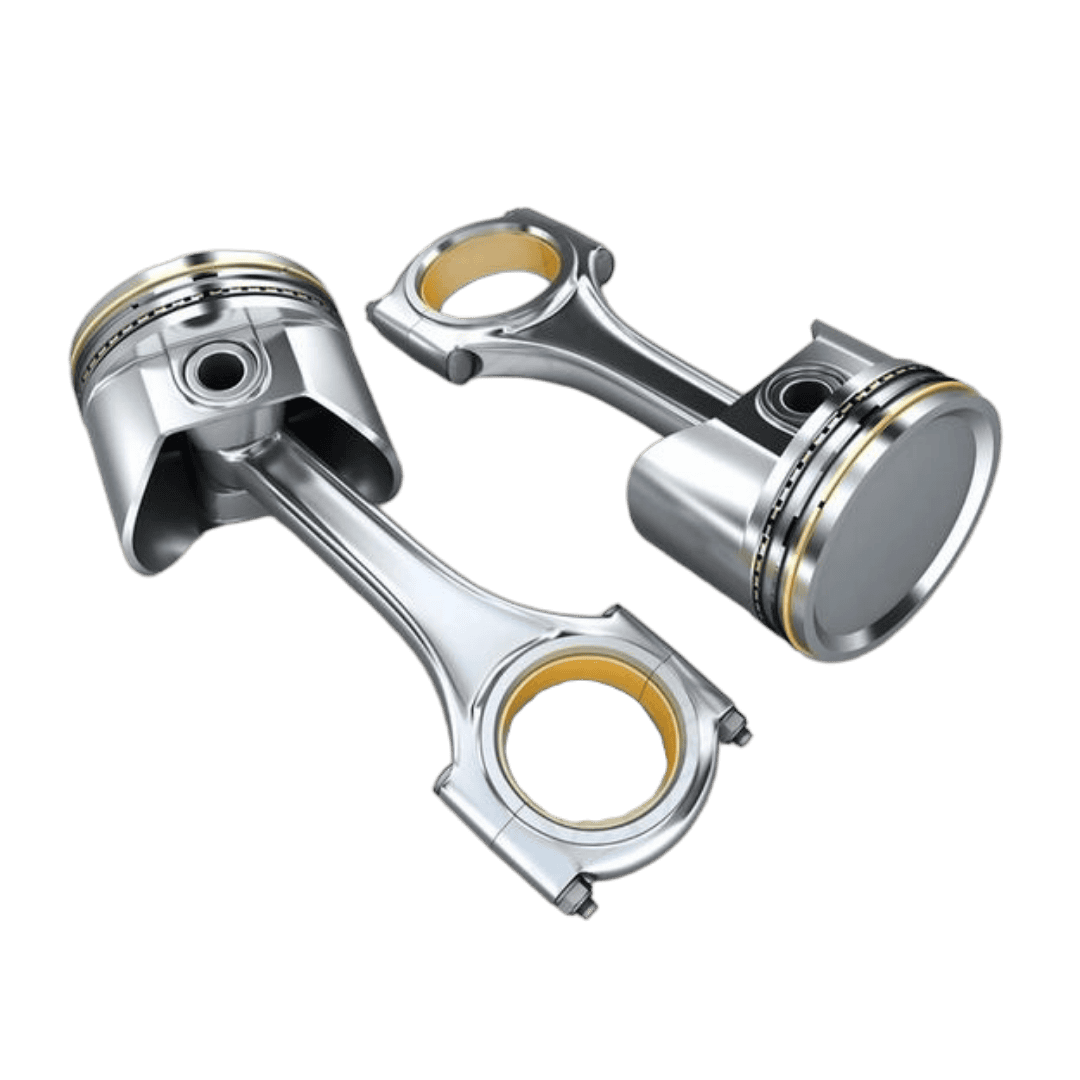
- engine components such as housings, covers, and brackets
- transmission and gearbox parts
- gears and splined shafts
- brake system components
- fuel system parts
- sensor housings and connectors
- EV battery enclosures and structural parts
- thermal management components
- custom fixtures and testing components
These parts often require tight tolerances, controlled surface finishes, and stable production consistency.
We produce custom automotive precision parts based on your drawings and requirements. We do not supply standard or off-the-shelf components.
Automotive Precision Machining Capabilities
Automotive components vary in geometry, size, and production volume. The machining process must be selected based on both design requirements and scalability.
CNC Milling
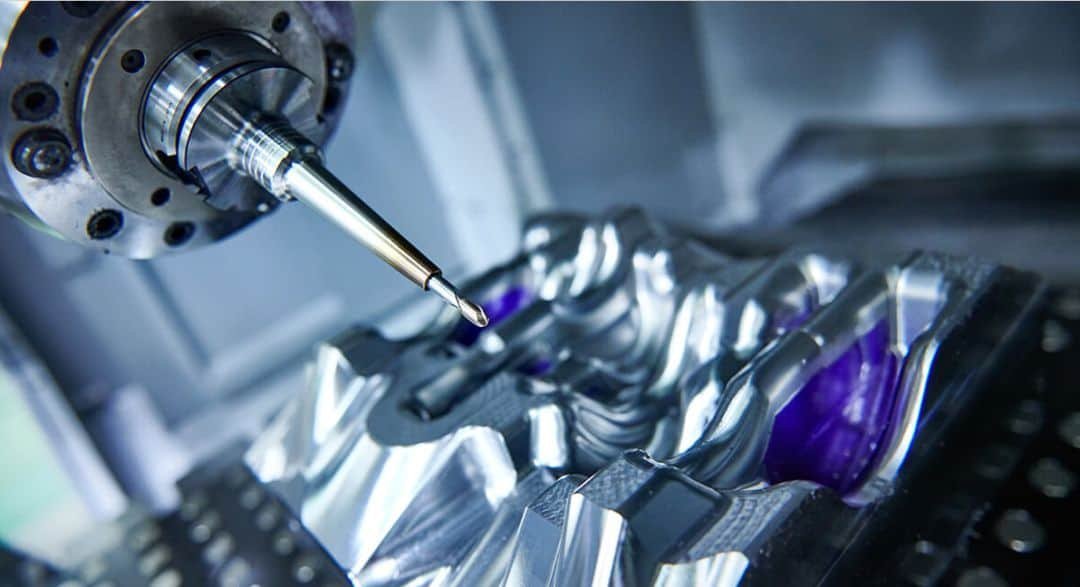
Used for complex geometries, housings, and structural components. Milling supports features such as pockets, slots, and mounting surfaces.
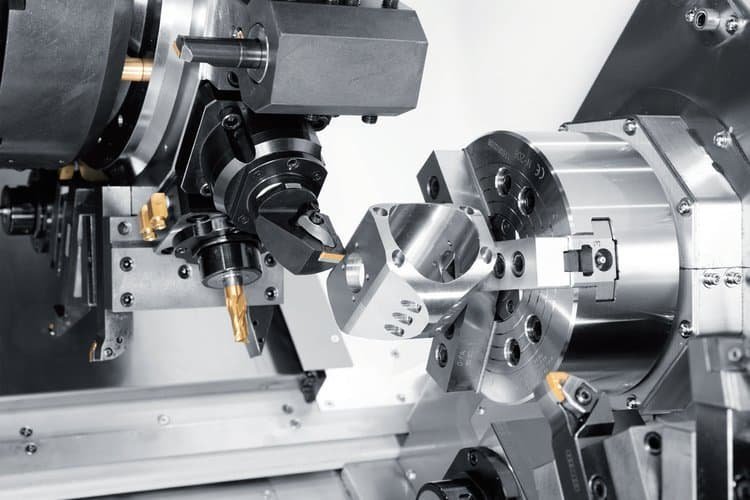
CNC Turning
Suitable for cylindrical parts including shafts, bushings, and connectors. Turning ensures strong concentricity and efficient cycle times.
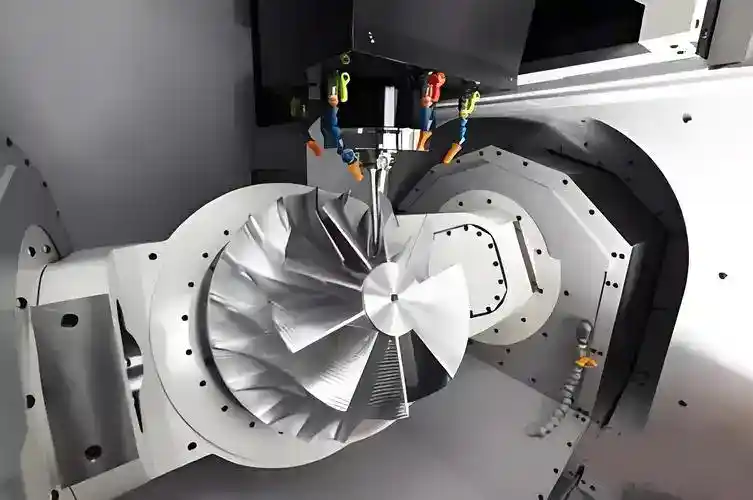
5-Axis Machining
Reduces multiple setups for complex parts. Fewer setups improve positional accuracy and reduce cumulative errors.
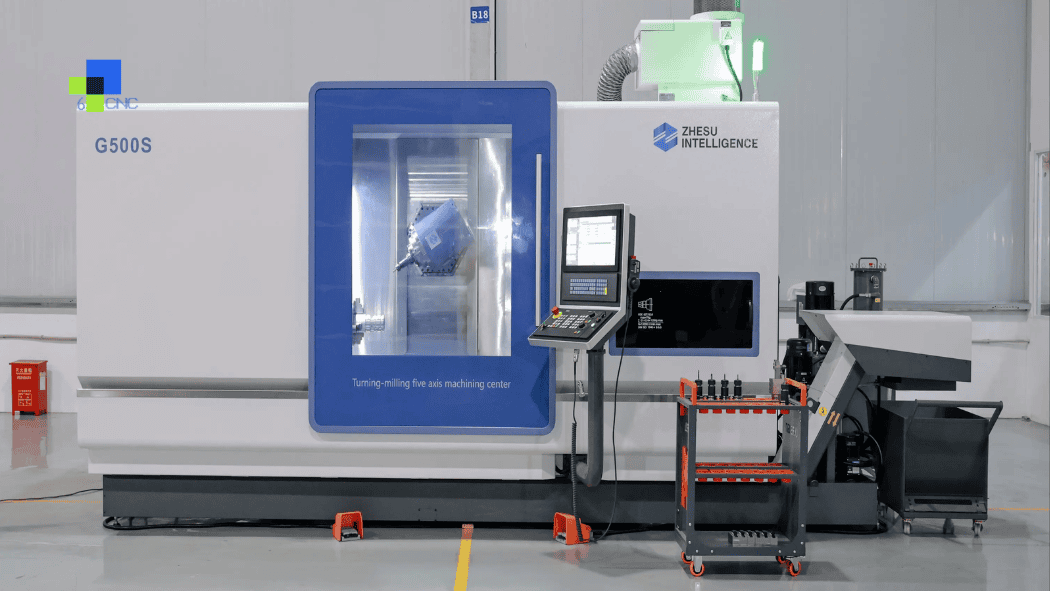
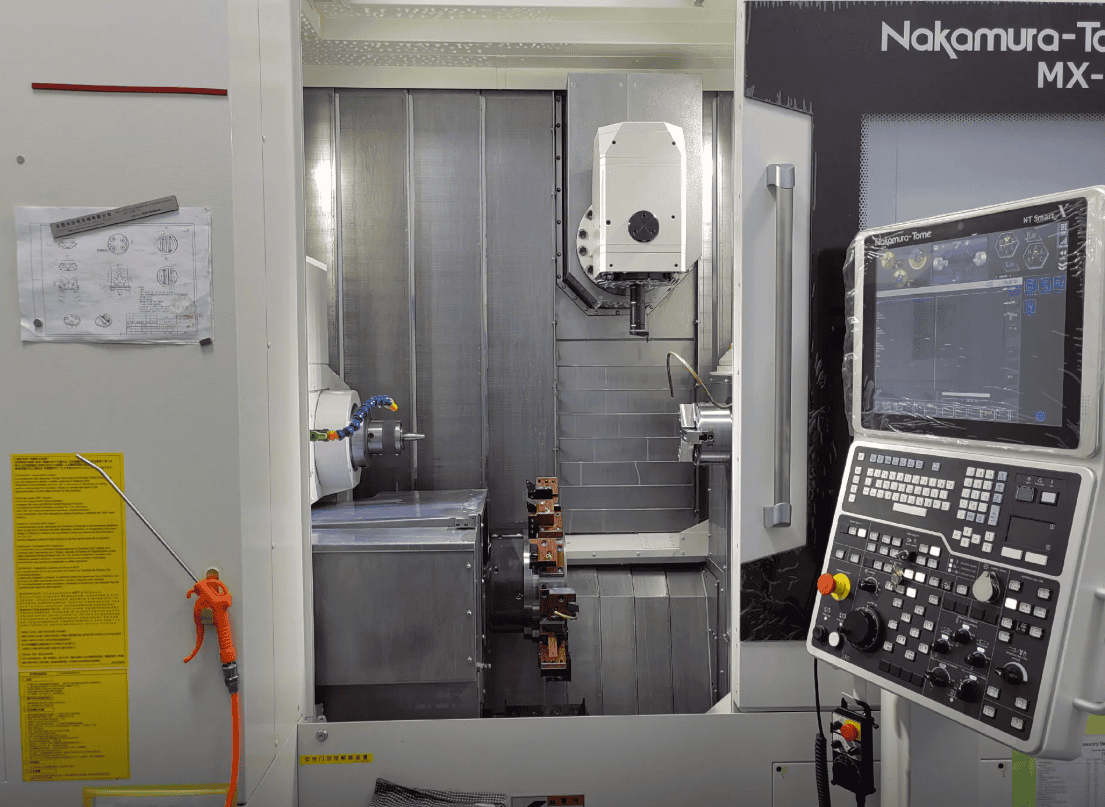
Mill-Turn Machining
Combines turning and milling in one process. This improves consistency and reduces handling between operations.
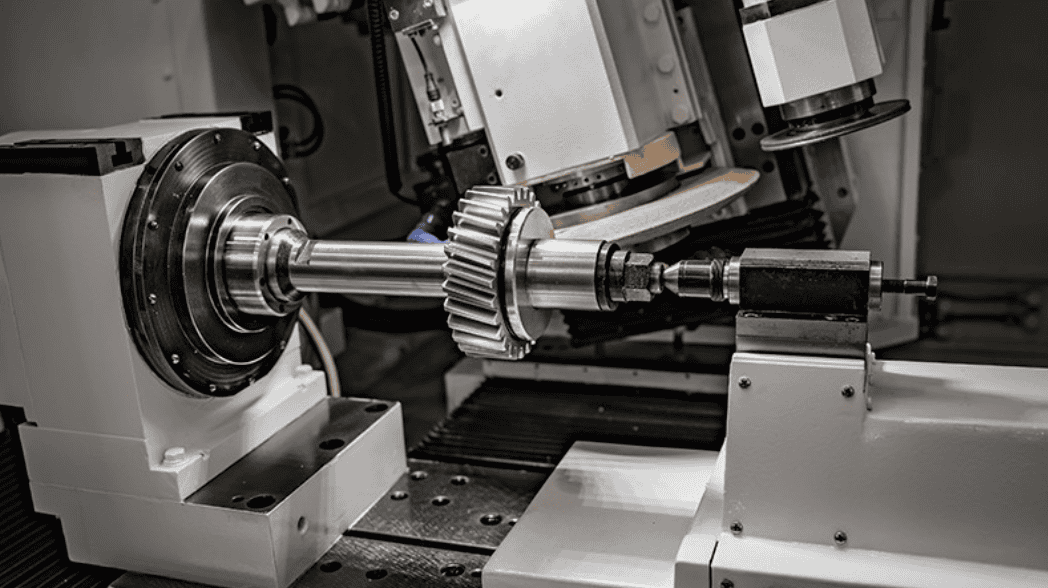
Precision Grinding
Used for critical surfaces where tighter tolerances and better surface finish are required.
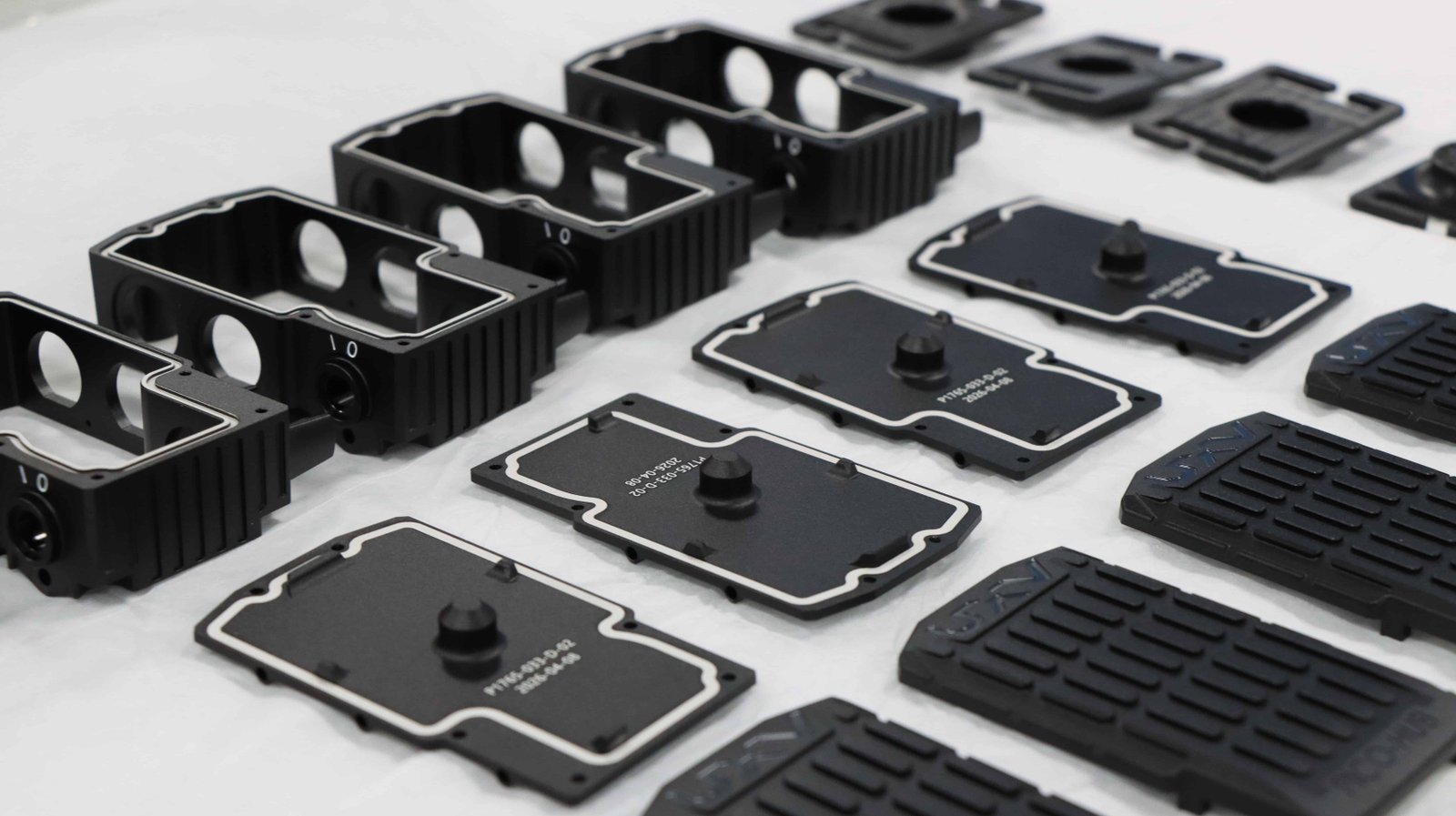
Complementary Processes
We also support processes such as Wire EDM, 3D printing, and surface finishing when required for specific part features.
Materials for Automotive Precision Components
- All materials
Material selection in automotive machining affects performance, cost, and manufacturability.
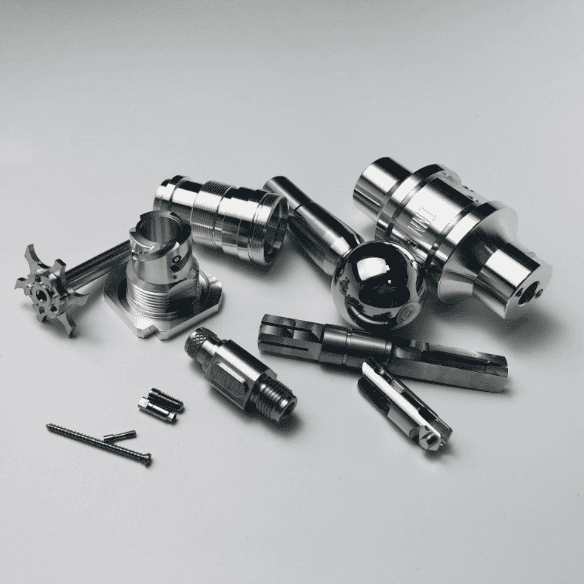
Stainless steel
Provides corrosion resistance for parts exposed to harsh environments.
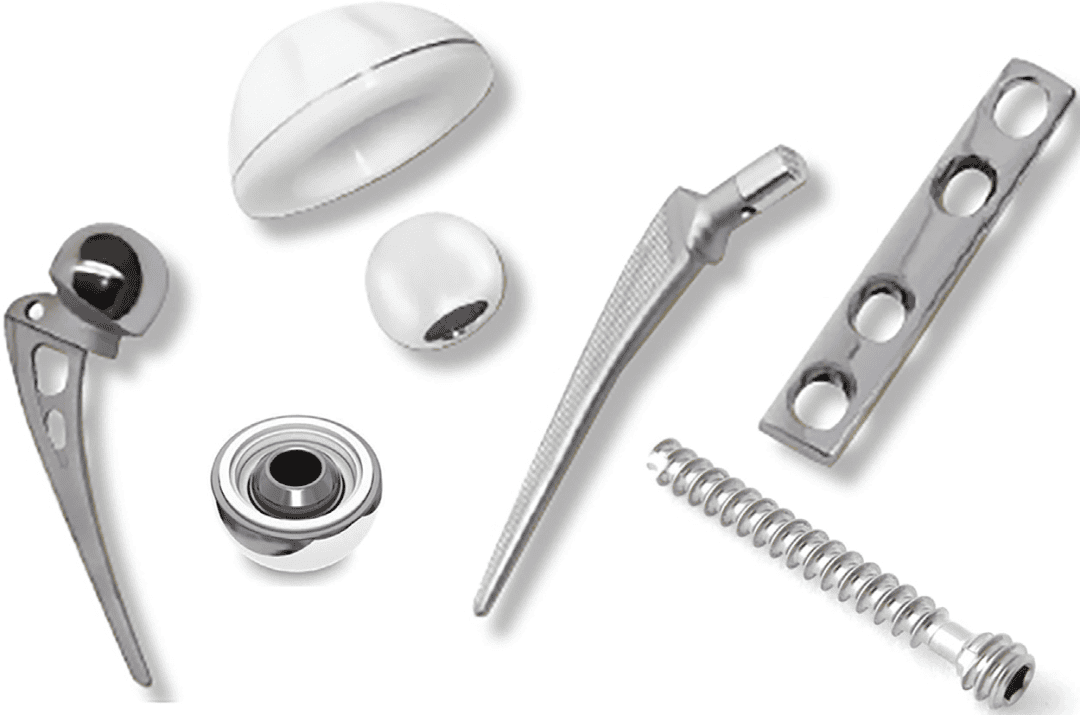
Carbon Steel and Alloy Steel
Used in load-bearing components where strength and durability are required..
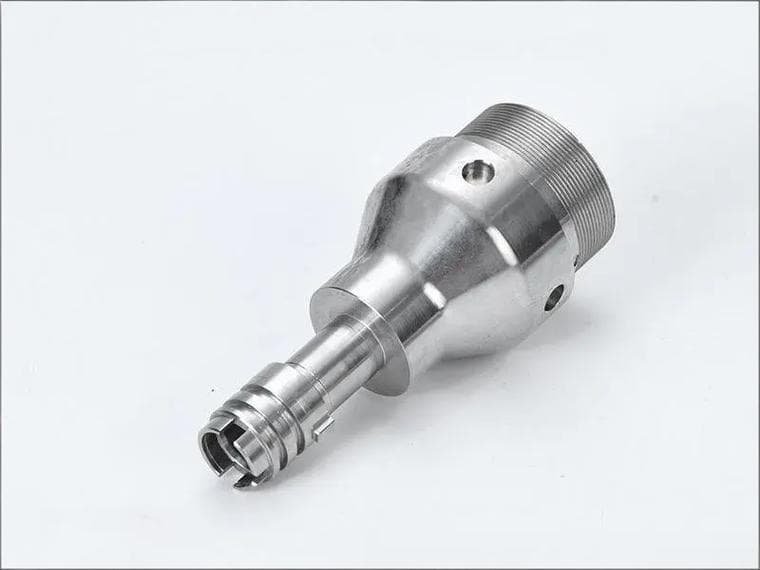
Aluminum
Widely used due to its lightweight properties and machinability. Suitable for housings and structural parts..
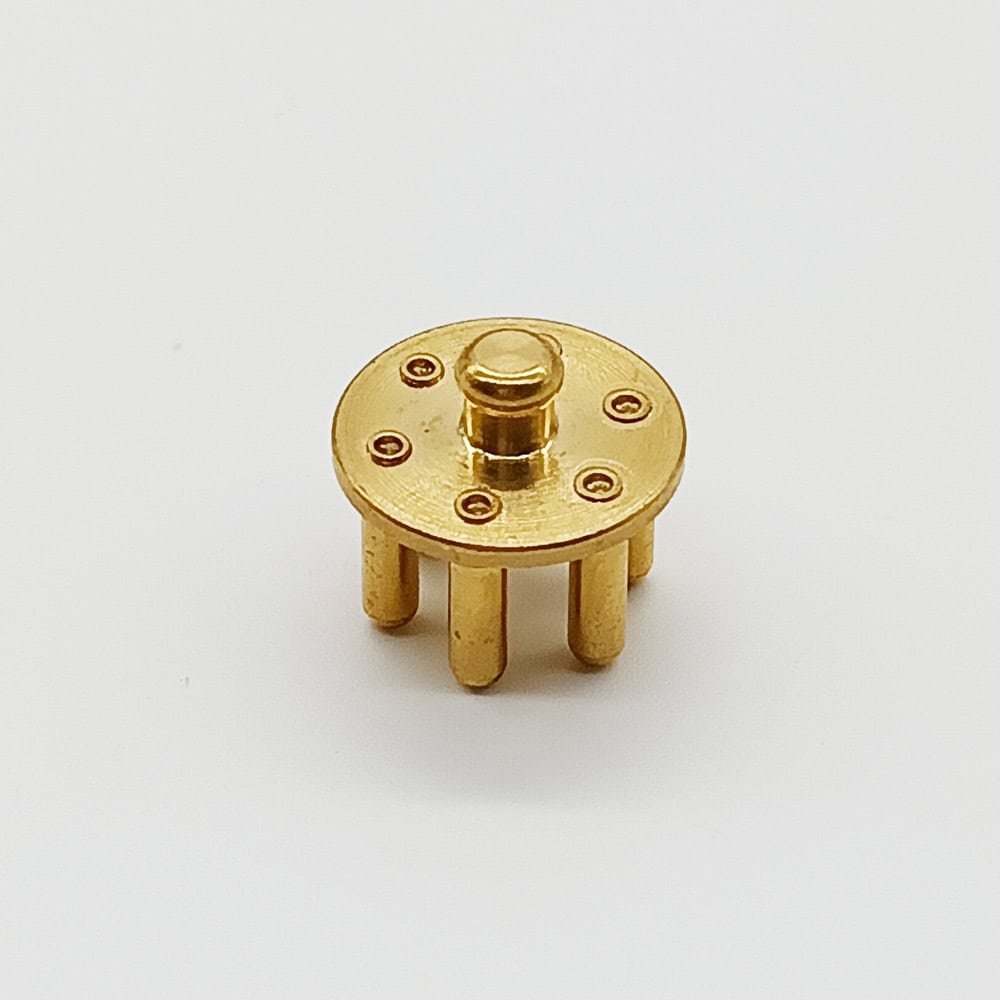
Brass and copper alloys
Used in fittings, connectors, and electrical-related components.
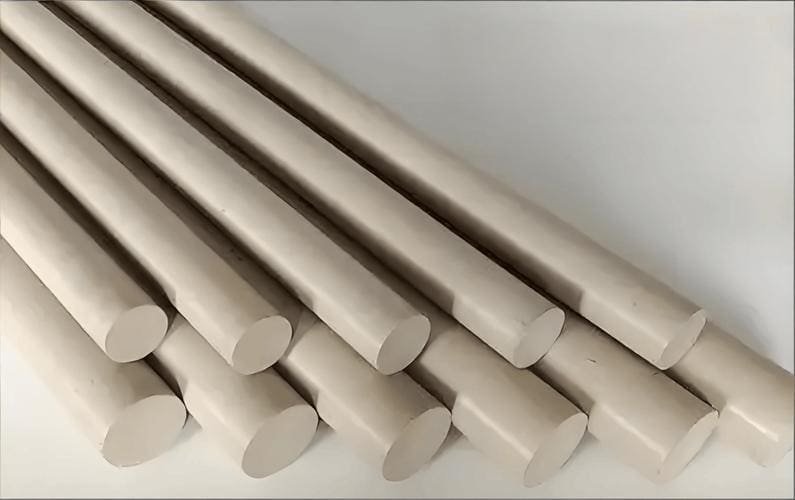
PEEK
Used in high-performance applications requiring strength and temperature resistance.
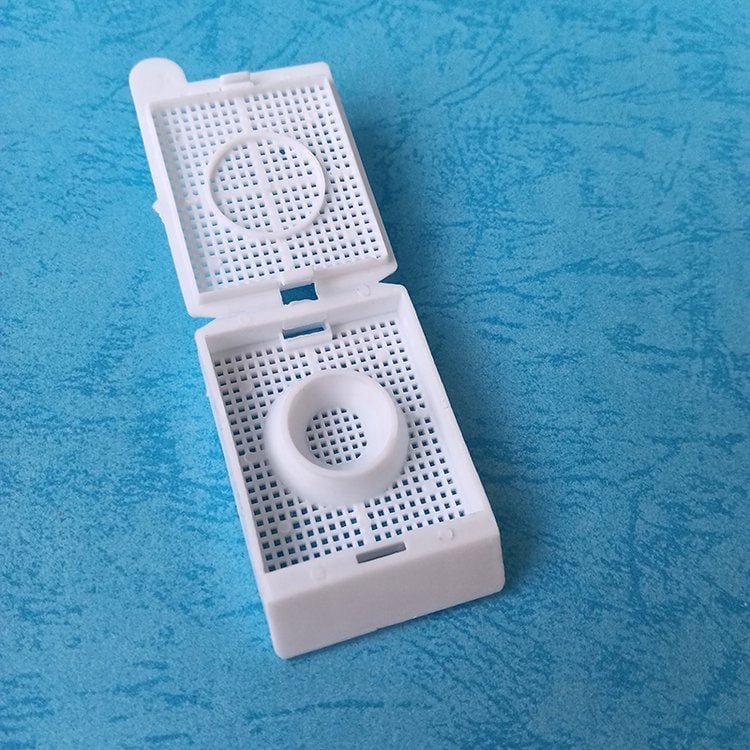
POM / Acetal
Offers dimensional stability and low friction.
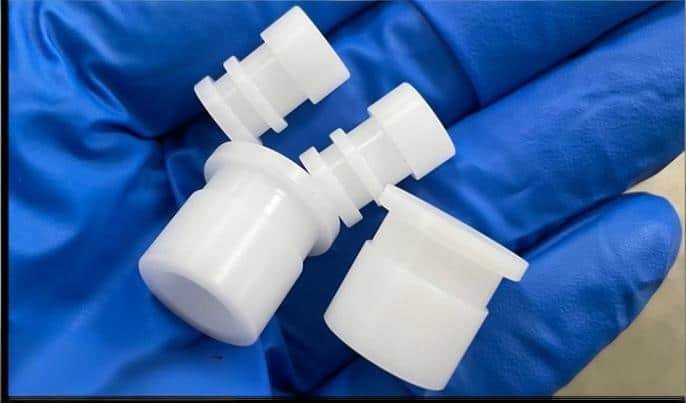
Nylon
Provides wear resistance and toughness.
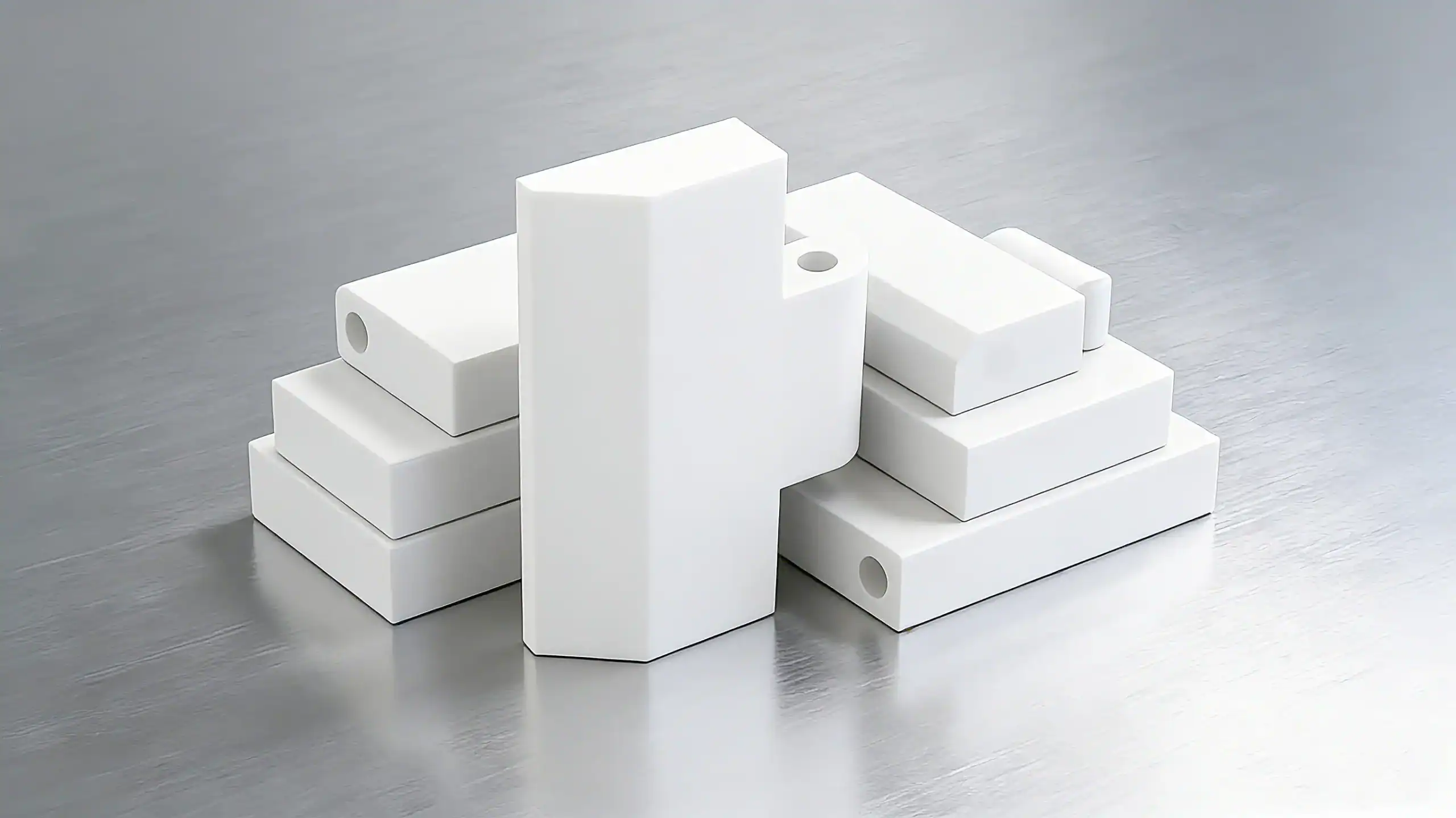
ABS and PC
Used for housings and non-structural components.
Material choice should match the functional requirements of the component while balancing cost and production efficiency.
Why High Precision Automotive Machining Matters
In automotive manufacturing, precision directly affects product performance and production efficiency.
Assembly consistency
Consistent parts reduce assembly variation and improve production efficiency.
Reduced wear and failure risk
Accurate geometry helps distribute loads correctly, reducing premature wear.
Improved system performance
Precision affects alignment, sealing, and motion, which impact overall system efficiency.
Scalability
A stable machining process ensures that parts remain consistent across large production volumes.
Tolerance and Production Consistency
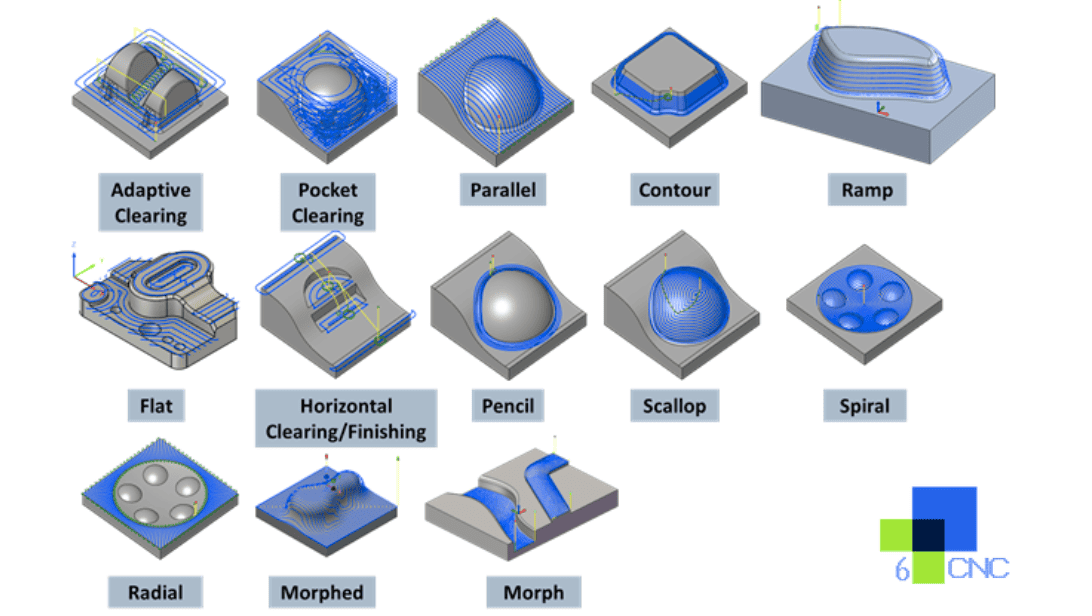
Automotive machining requires both precision and repeatability.
Tolerance requirements vary depending on part function, but consistency across batches is often more critical than achieving extreme precision on a single part.
At 6CNC, we control this through:
- process planning based on part geometry
- fixture design for repeatability
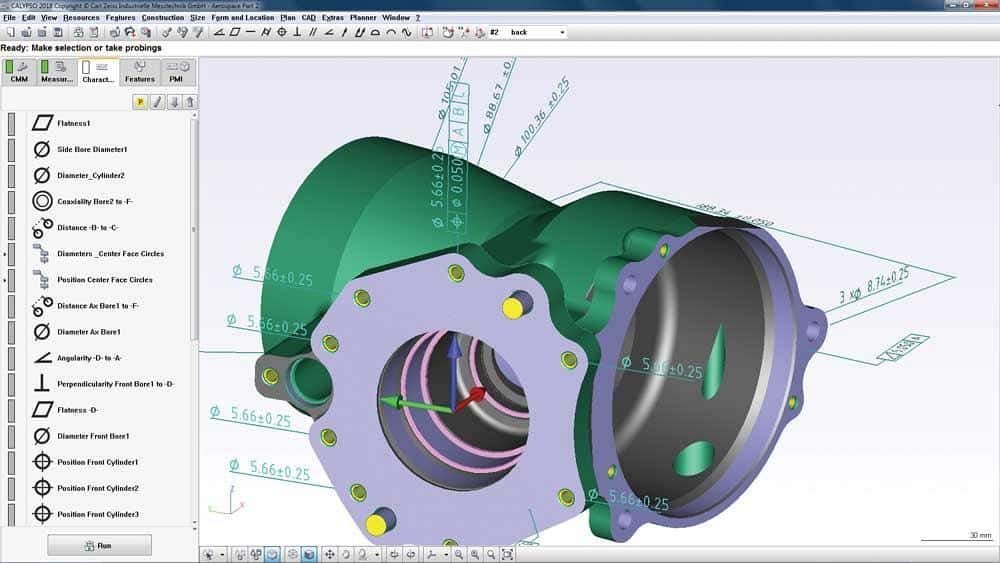
- in-process inspection
- final dimensional verification
- batch consistency monitoring
Typical automotive machining tolerances can range around ±0.005 mm depending on the application and process.
The focus is on delivering consistent parts that meet functional requirements across production runs.
Automotive Quality and Compliance Considerations
Automotive manufacturing requires structured quality control and documentation.
Common industry requirements include:
- PPAP (Production Part Approval Process)
- APQP (Advanced Product Quality Planning)
- traceability of materials and processes
- consistent inspection records
These requirements ensure that parts meet performance expectations and can be reliably reproduced in mass production.
A machining supplier should support these processes by maintaining stable production methods and clear quality control procedures.
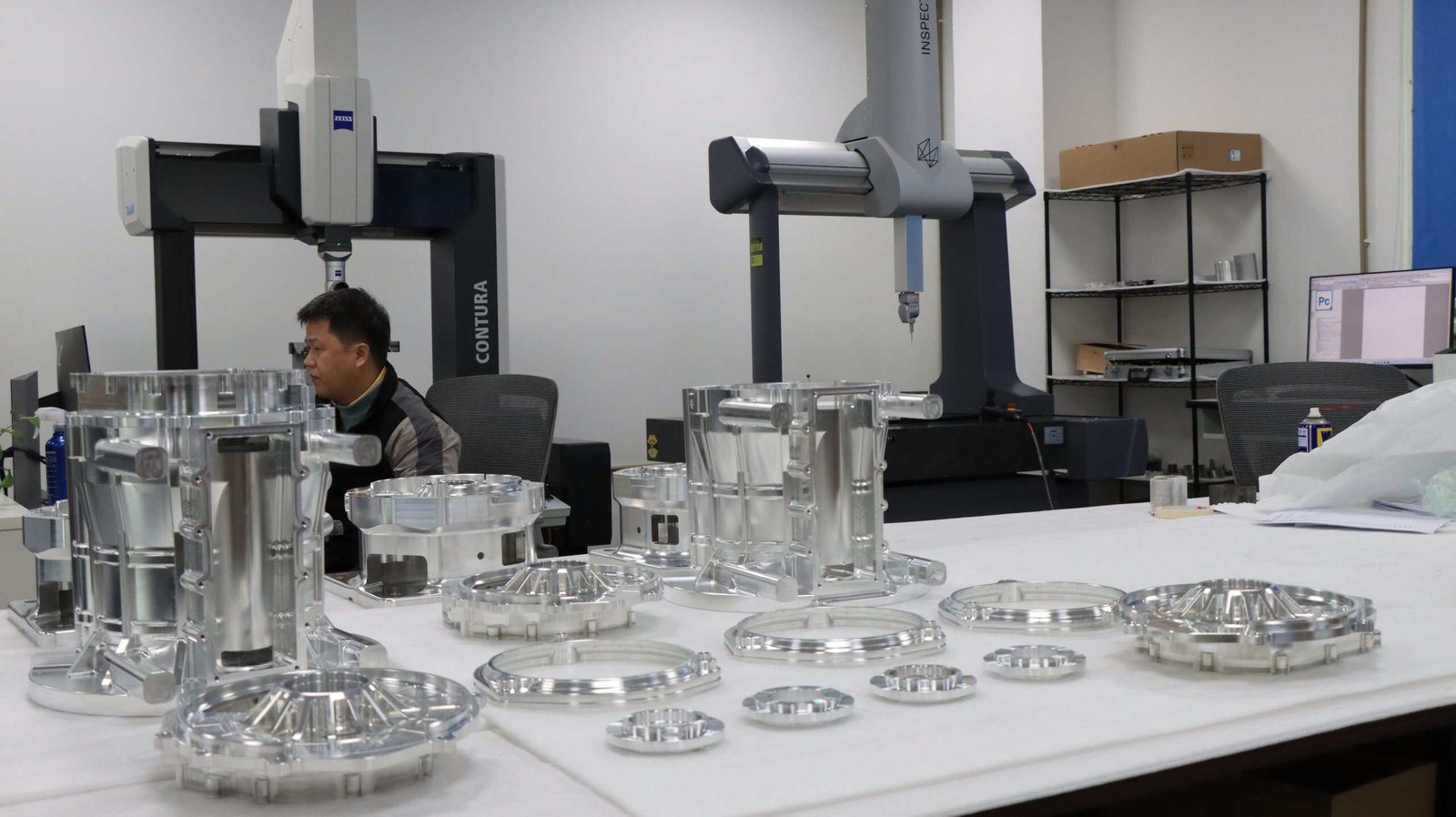
Design Considerations for Automotive Precision Parts
Good design reduces manufacturing cost and improves production stability.
Apply tolerances strategically
Use tight tolerances only where function requires them.
Avoid unnecessary complexity
Complex geometries increase machining time and cost.
Consider material behavior
Different materials affect machining stability, tool wear, and dimensional accuracy.
Plan for production
Design should support both prototype validation and mass production.
Ensure inspectability
Critical features should be accessible for measurement and verification.
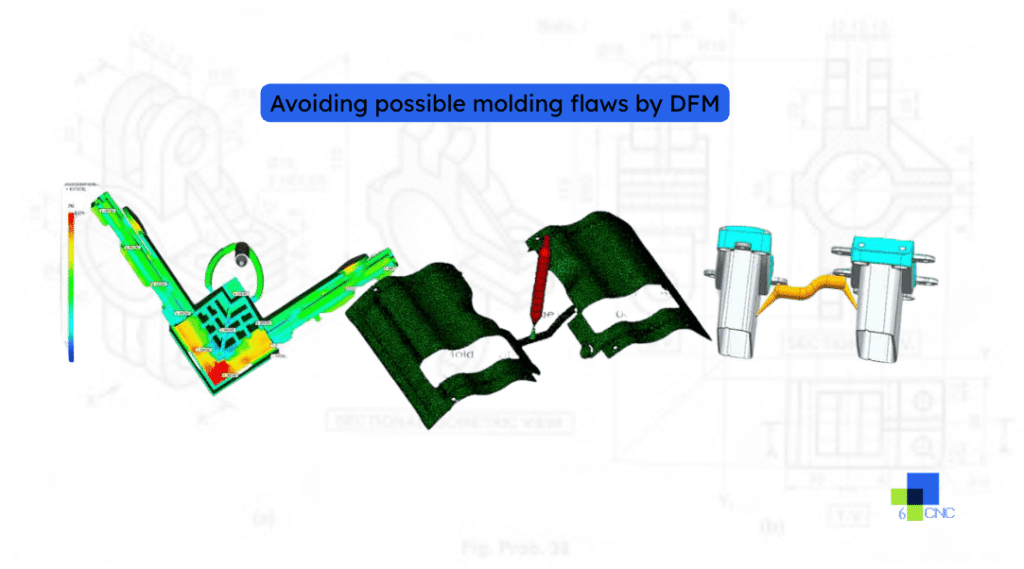
From Prototype to Mass Production
Automotive projects typically move through several stages:
- prototype development
- testing and validation
- pilot production
- full-scale production
The main challenge is maintaining consistency as volume increases.
We support this transition by:
- optimizing machining processes for scalability
- ensuring repeatability across batches
- supporting both low-volume and high-volume production
- aligning manufacturing with production requirements
This approach helps reduce risk when moving from development to production.
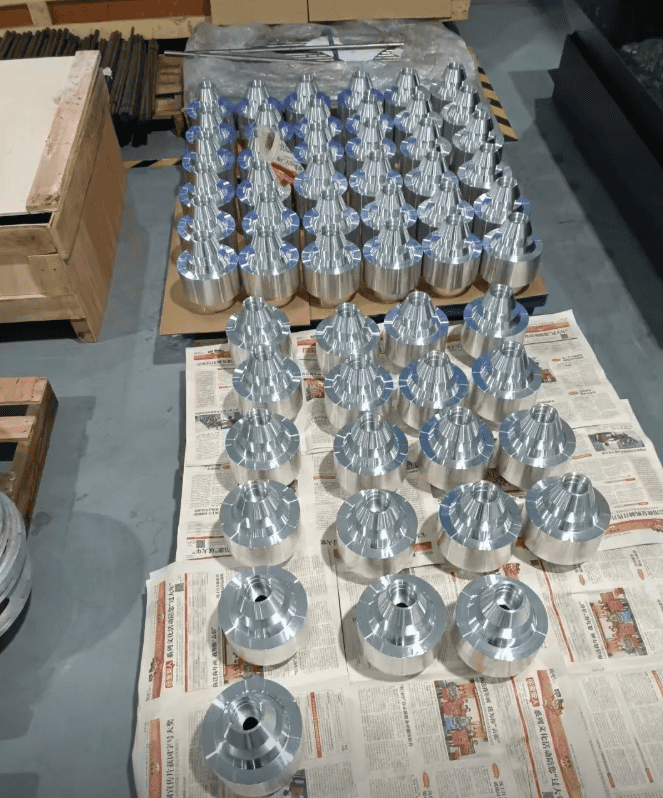
Why Choose 6CNC for Automotive Precision Machining
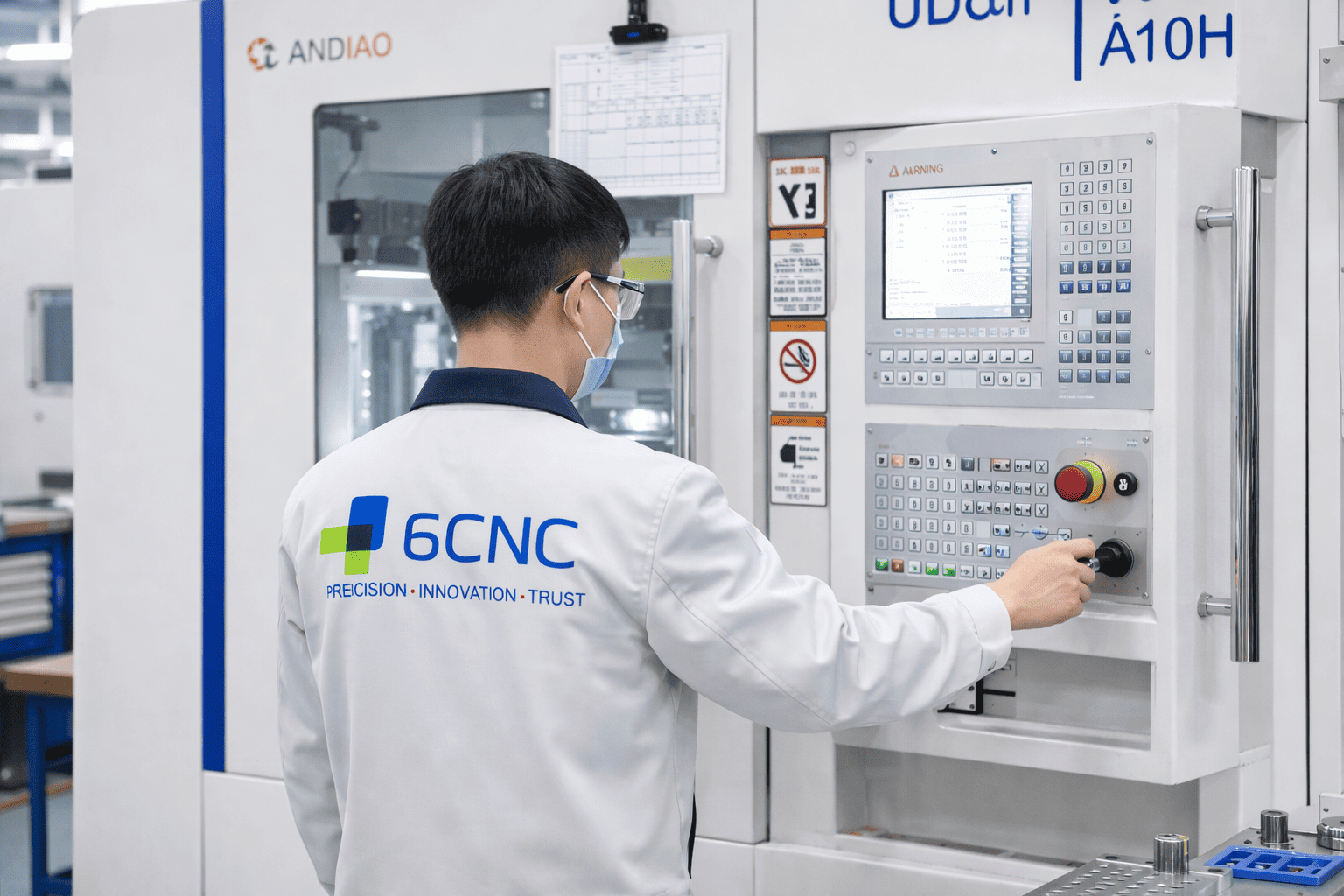
6CNC is a precision manufacturing partner providing custom machining services for automotive components.
What you can expect:
- on-demand custom manufacturing for metal and plastic parts
- support from prototype to production
- multiple machining capabilities in one place
- stable quality across batches
- practical engineering support
FAQ About Automotive Precision Machining
What is automotive precision machining?
Automotive precision machining is the process of producing high-accuracy components used in vehicle systems such as engines, transmissions, and braking systems.
What parts are commonly machined in automotive applications?
Common parts include gears, shafts, housings, brake components, and connectors.
What materials are used in automotive machining?
Aluminum, steel, stainless steel, and engineering plastics such as POM and nylon are widely used.
What affects machining cost?
Material selection, tolerance requirements, geometry complexity, and production volume are the main cost drivers.
Can CNC machining support high-volume automotive production?
Yes. CNC machining can be used for both prototypes and large-scale production with proper process planning.
START A CONVERSATION