
INDUSTRY SOLUTIONS
Robotics Parts Machining Services for Precision Components
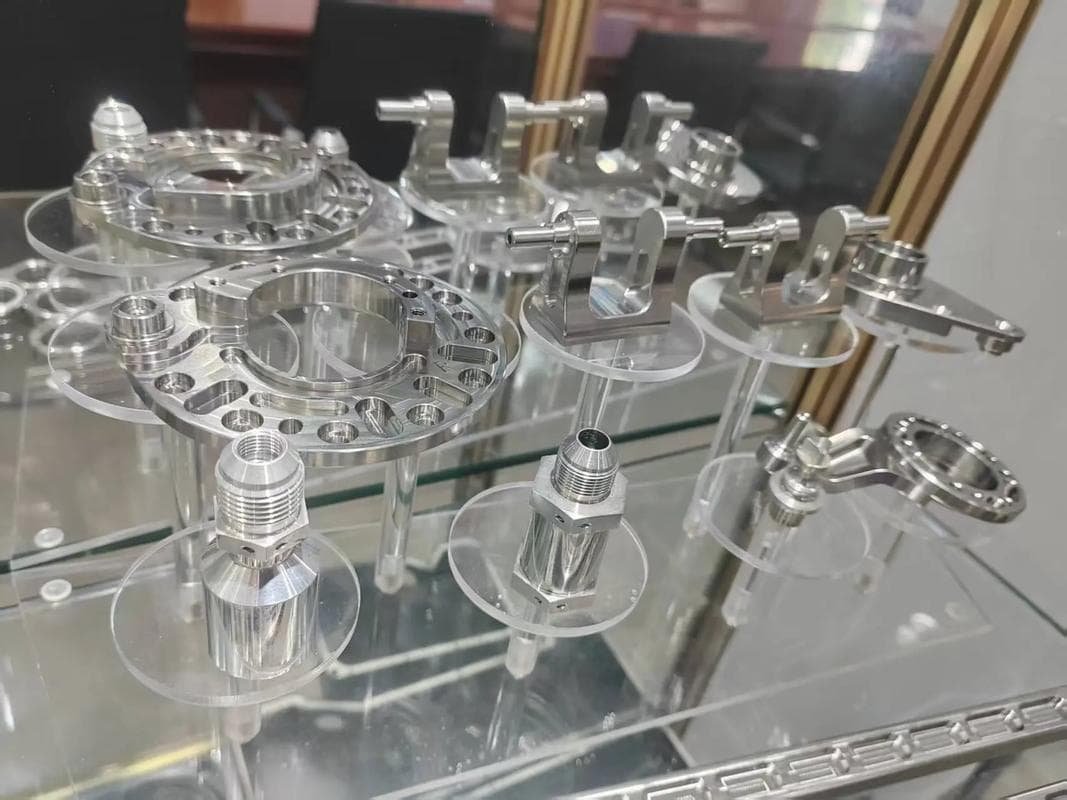
Robotics parts machining is the process of manufacturing high-precision custom components used in robotic systems, including automation equipment, industrial robots, and intelligent machinery. At 6CNC, we provide on-demand robotics parts machining for metal and plastic components, helping you achieve tight tolerances, smooth motion performance, and stable production from prototype to low- and mid-volume manufacturing.
One-stop solution (machining + finishing)
Fast turnaround & reliable delivery
Competitive pricing for low-volume production
Trusted by
industry leaders










10+ Years
of CNC Machining Expertise
50,000+
Precision Parts Delivered
140+
Advanced CNC Machines
10,000+
Satisfied Clients Worldwide
Precision Machining for Robotics Industry
Robotic systems rely on precise motion, repeatability, and mechanical stability.
Even small dimensional errors can affect positioning accuracy, joint movement, and system performance.
Precision machining for robotics focuses on:
- maintaining tight tolerances for motion-critical components
- ensuring alignment between moving parts
- reducing friction and wear over repeated cycles
- achieving consistent performance across assemblies
Unlike general industrial parts, robotics precision components often work together in multi-axis systems. Any deviation can accumulate and affect the final motion accuracy.
CNC machining is widely used in robotics manufacturing because it provides the control and repeatability needed for complex mechanical systems.
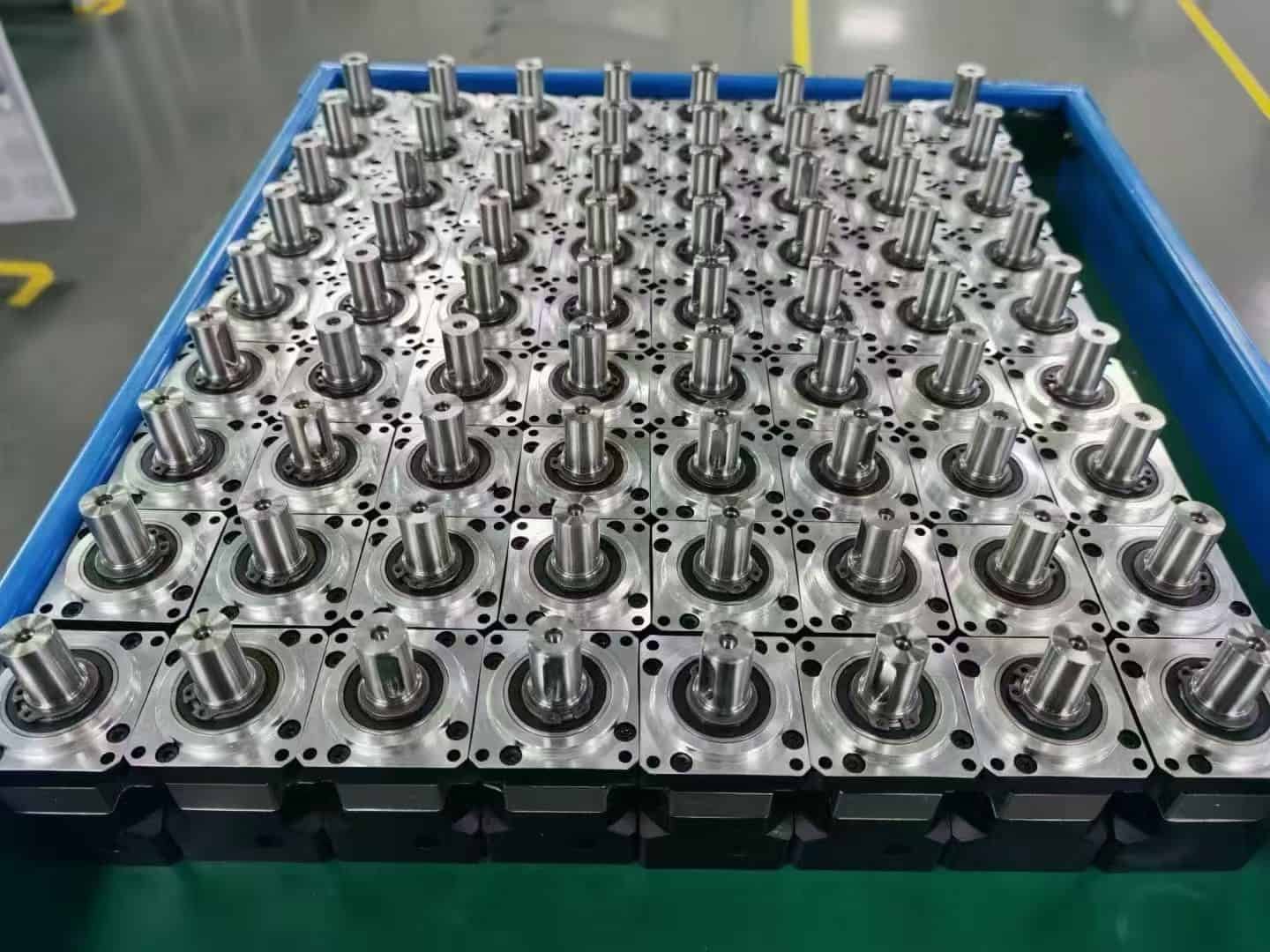
What We Machine for Robotics Applications
We manufacture a wide range of robotics precision components for automation and intelligent systems.
Typical robotics parts include:
- robotic arm structural components
- joint housings and connection parts
- precision shafts and pins
- gear housings and transmission components
- motor mounts and brackets
- end-effector components
- sensor mounts and enclosures
- linear motion system components
- automation equipment precision parts
These parts require accurate geometry, stable tolerances, and smooth surface finishes to ensure reliable movement and long service life.
We produce custom robotics parts based on your drawings and specifications, not standard catalog products.
Robotics Precision Machining Capabilities
Robotics components often involve complex geometries and tight assembly requirements.
The machining process must support both accuracy and repeatability.
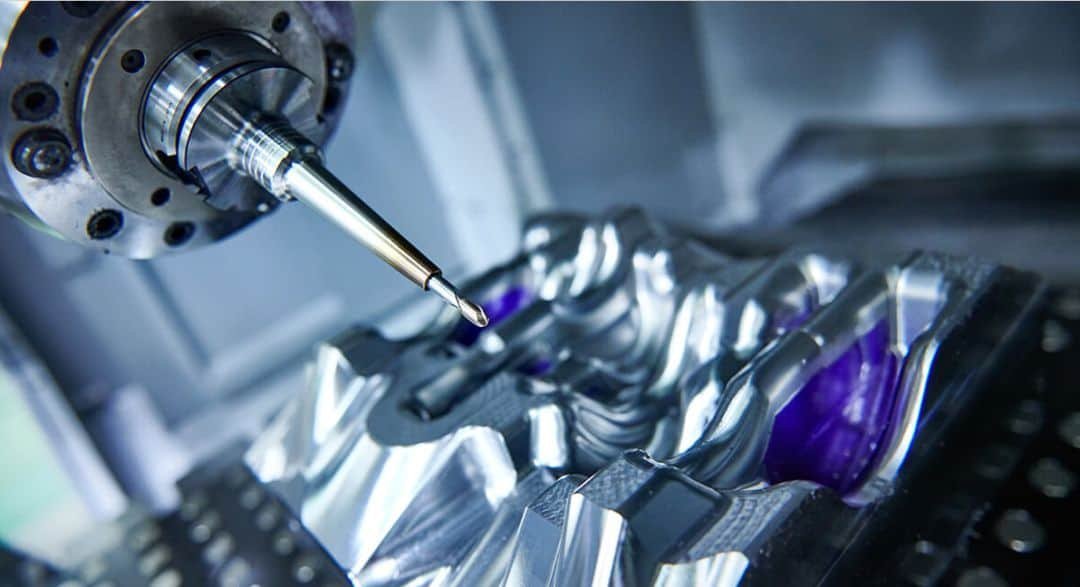
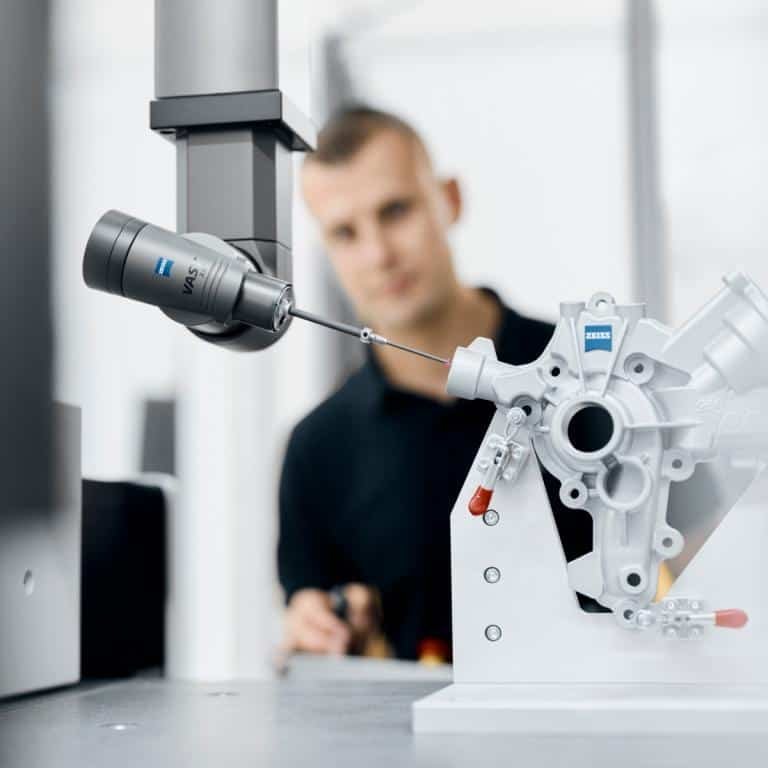
CNC Milling
Used for structural parts, housings, and complex 3D geometries.
Supports precise positioning features and mounting interfaces.
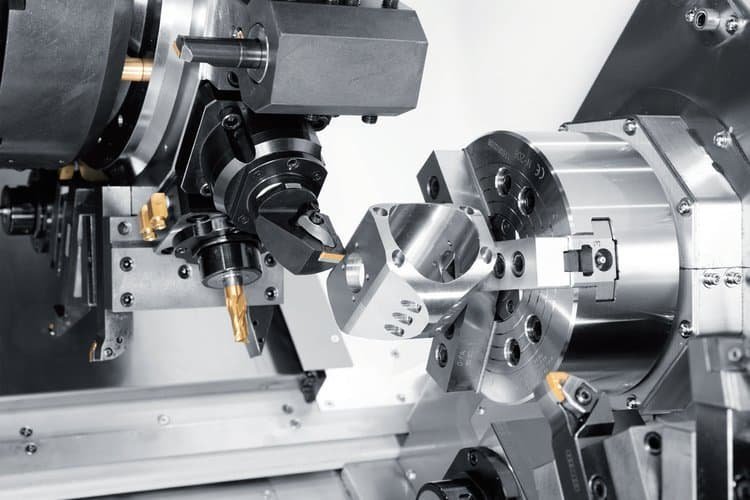
CNC Turning
deal for cylindrical components such as shafts, bushings, and connectors.
Ensures concentricity and smooth rotational performance.
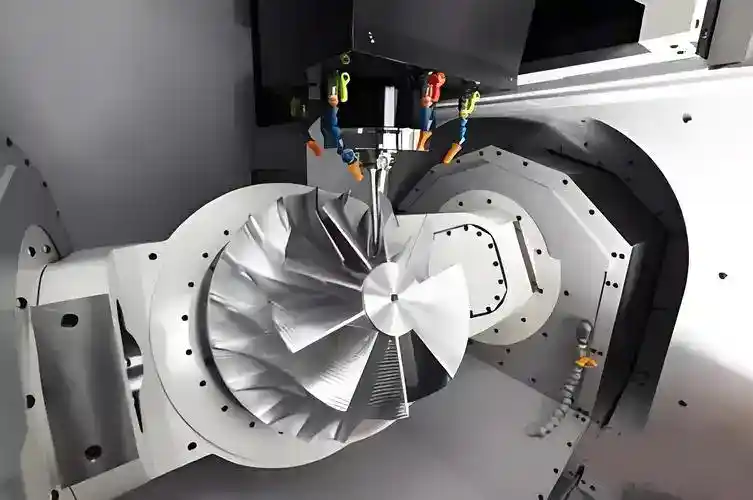
5-Axis Machining
Reduces multiple setups for complex parts.
Improves positional accuracy and feature alignment.
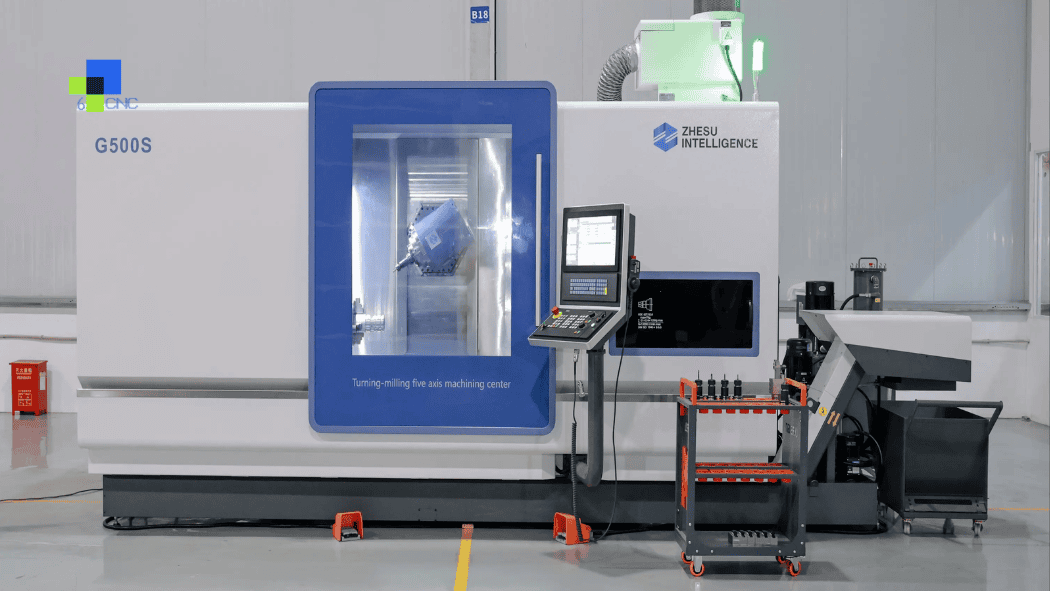
Mill-Turn Machining
Combines turning and milling in one setup.
Improves consistency and reduces cumulative tolerance errors.
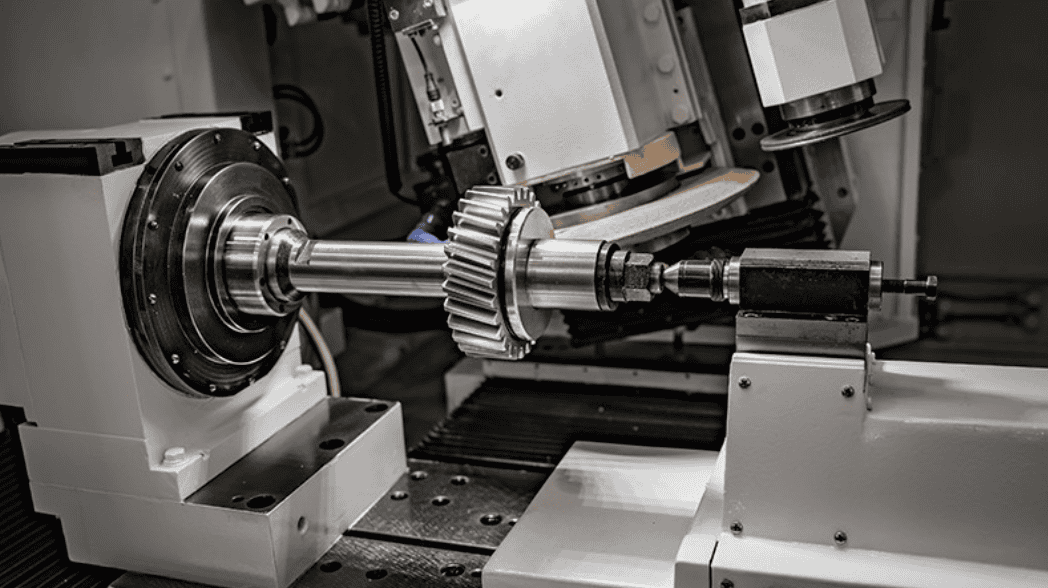
Precision Grinding
Used for critical surfaces requiring tighter tolerances and better surface finish, especially in motion components.
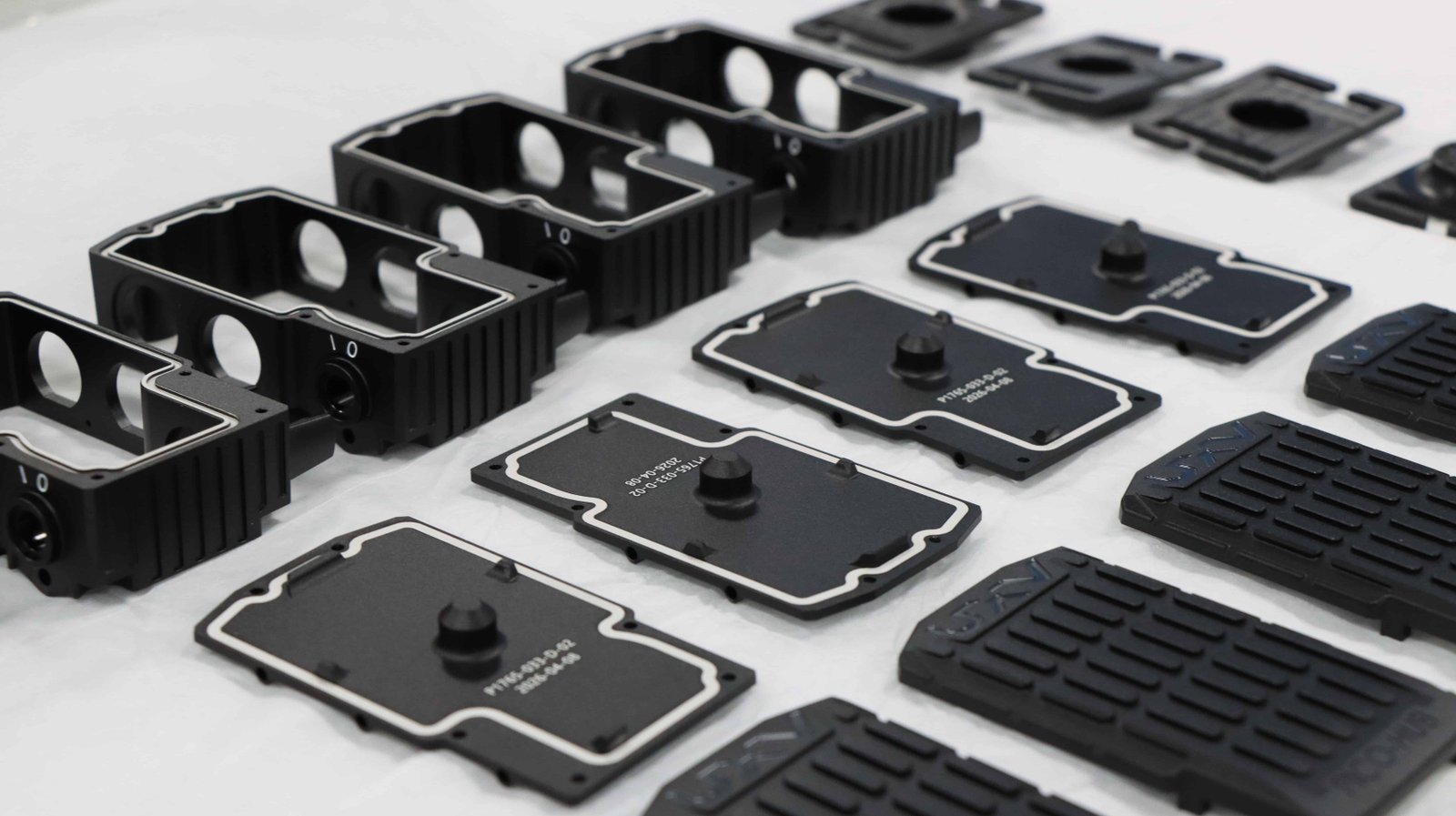
Complementary Processes
We also support Wire EDM, 3D printing, and surface finishing when required for specialized features or rapid development.
Materials for Robotics Precision Components
Material selection affects strength, weight, motion performance, and durability.
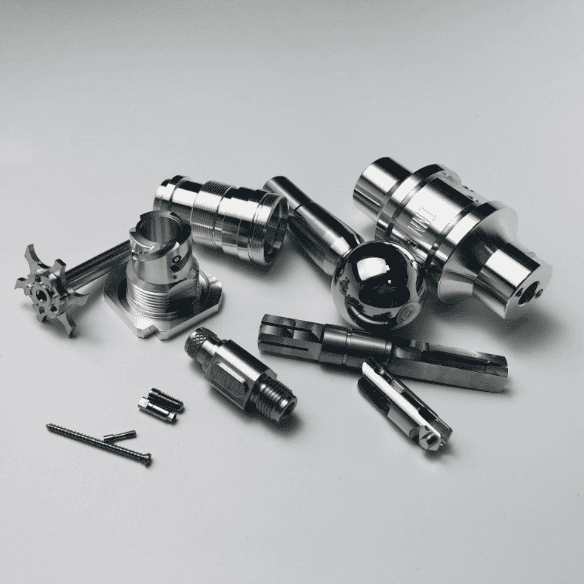
Stainless steel
Provides corrosion resistance and durability.
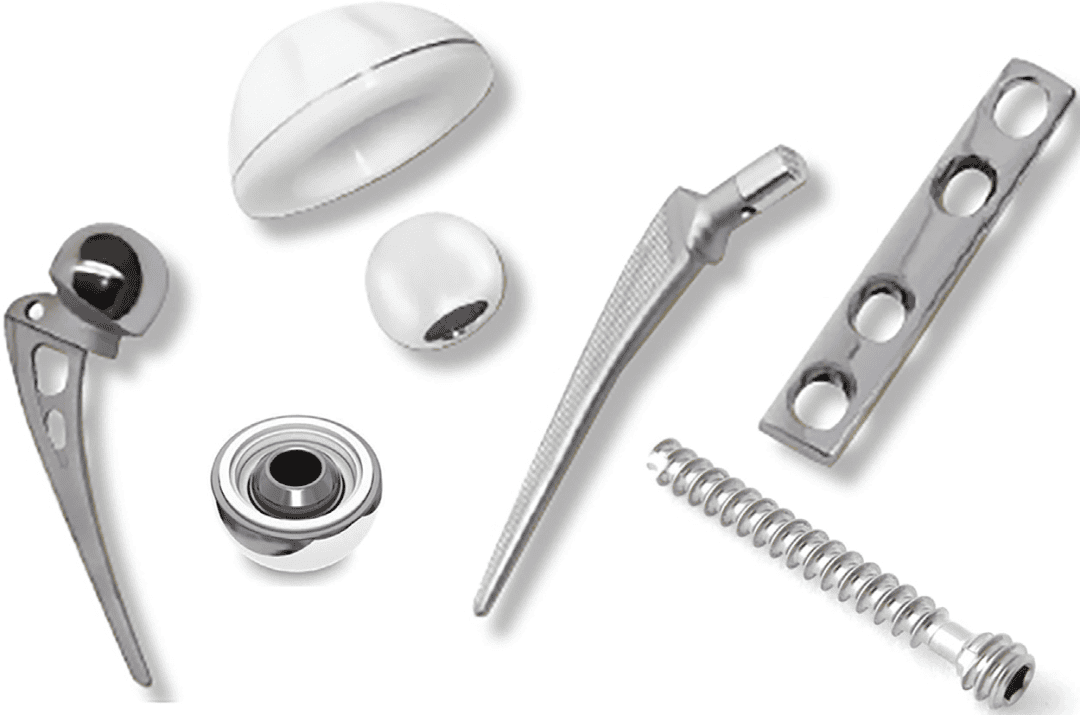
Carbon Steel and Alloy Steel
Used in connectors and electrical-related components.
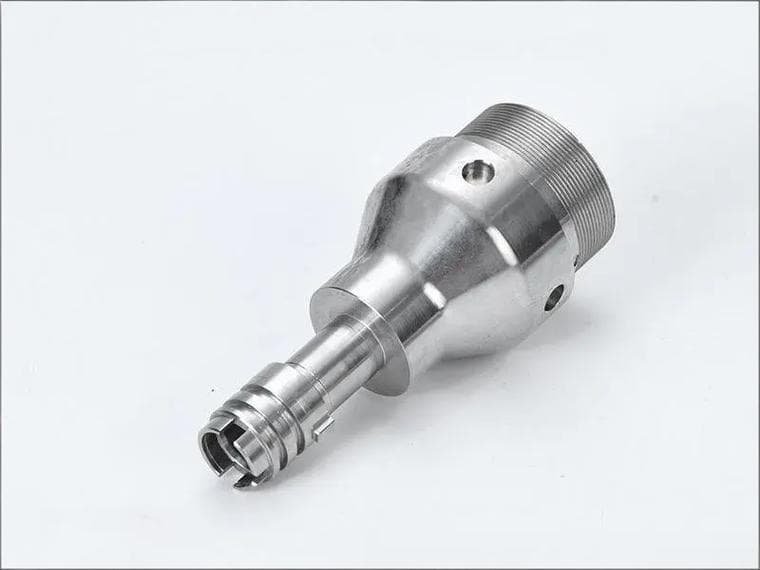
Aluminum
Widely used for robotic structures due to its lightweight and machinability.
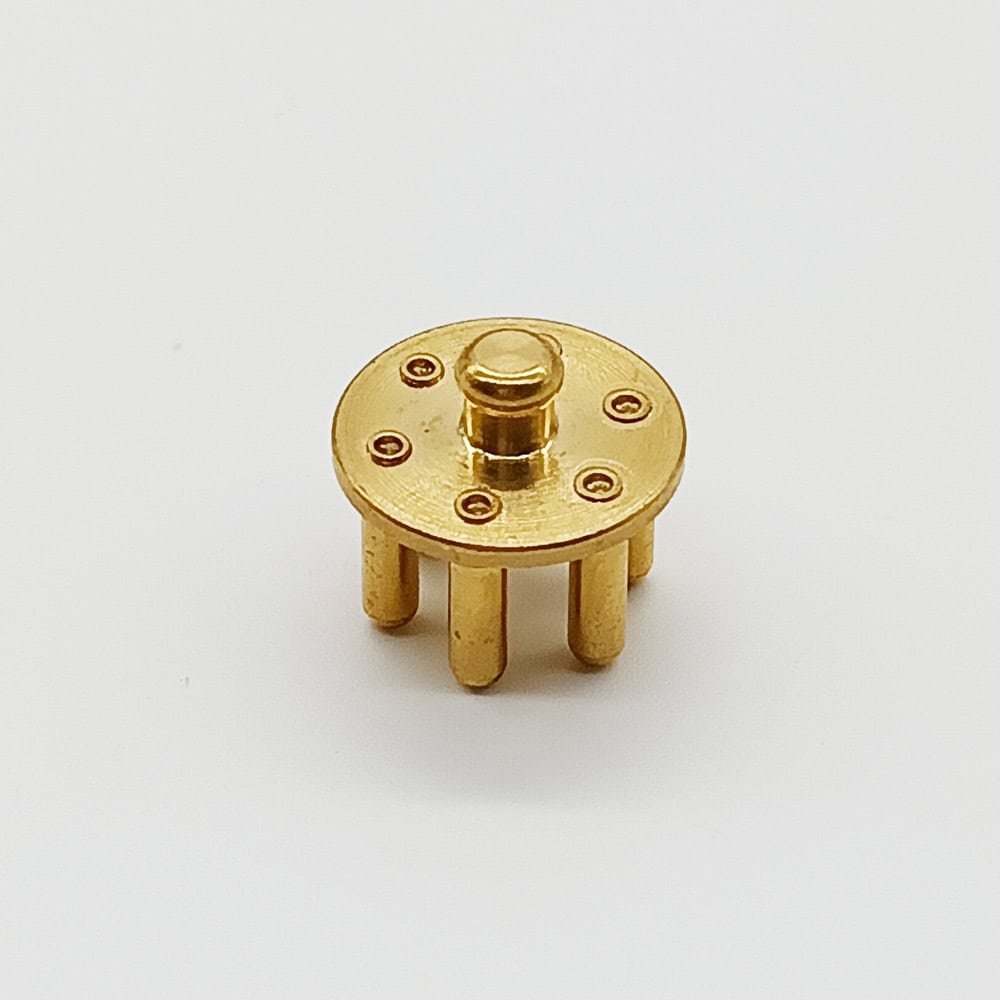
Brass and copper alloys
Used in load-bearing and high-strength components
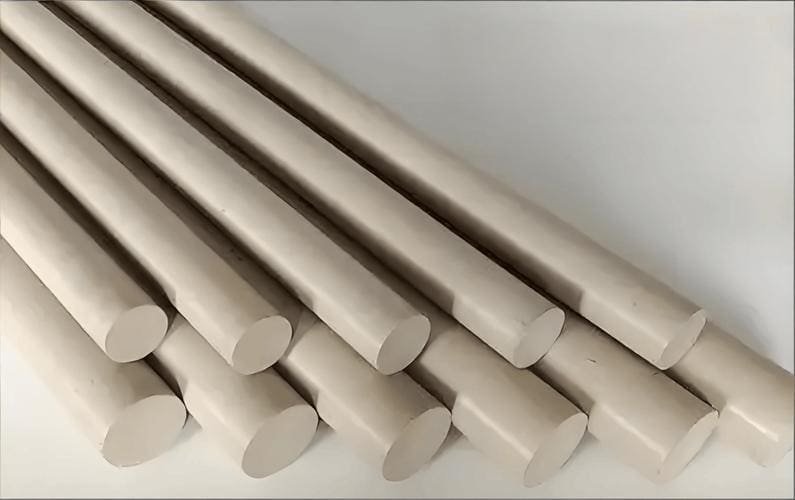
PEEK
Used in high-performance applications requiring strength and temperature resistance.
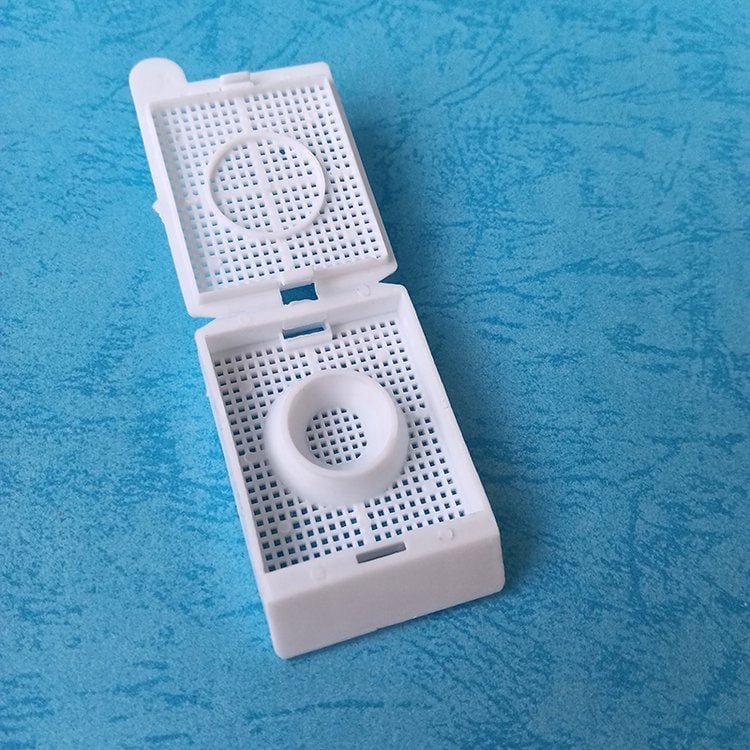
POM / Acetal
Offers dimensional stability and low friction.
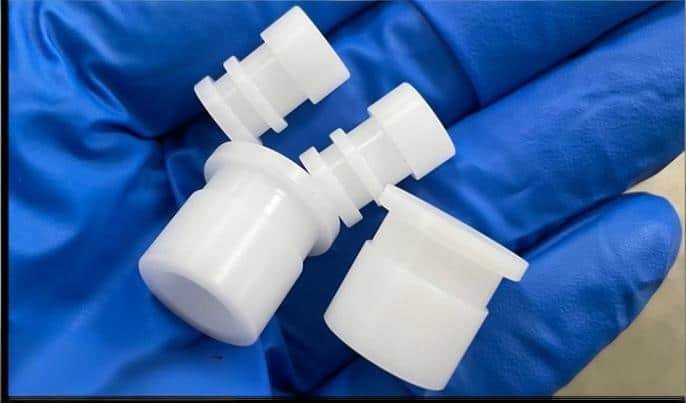
Nylon
Provides wear resistance and toughness.
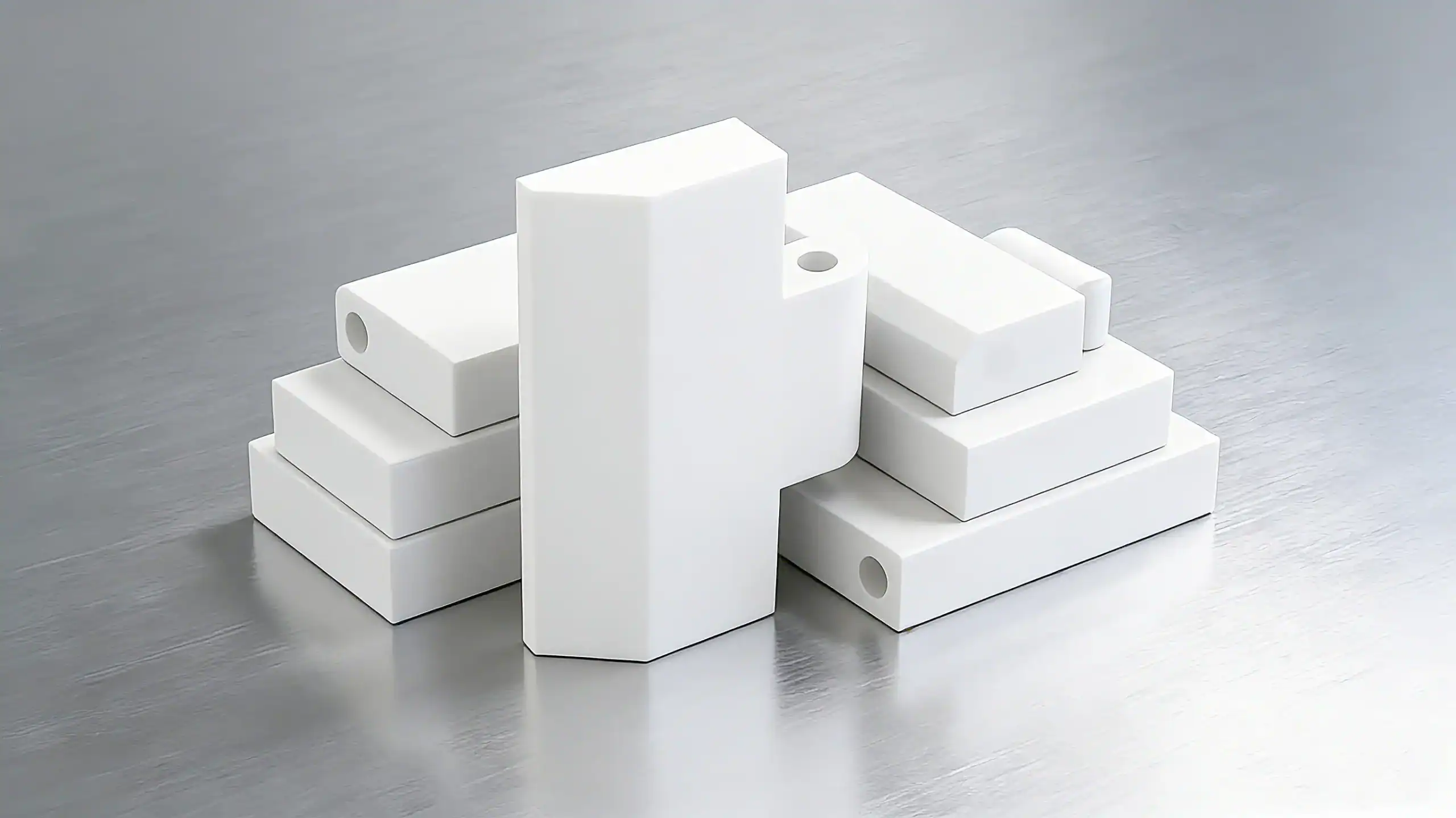
ABS and PC
Used for housings and non-structural components.
Material choice should match the functional requirements of the component while balancing cost and production efficiency.
Why High Precision Robotics Machining Matters
In robotics, precision is not only about individual parts.
It is about how all components work together as a system.
Motion accuracy
Small dimensional errors can reduce positioning accuracy and repeatability.
Reduced friction and wear
Smooth surfaces and correct tolerances improve motion efficiency and extend part life.
System stability
Accurate components ensure proper alignment and reduce vibration.
Assembly consistency
Consistent parts reduce adjustment time during assembly.
Tolerance and Production ConsistencyTolerance and Surface Finish in Robotics Machining
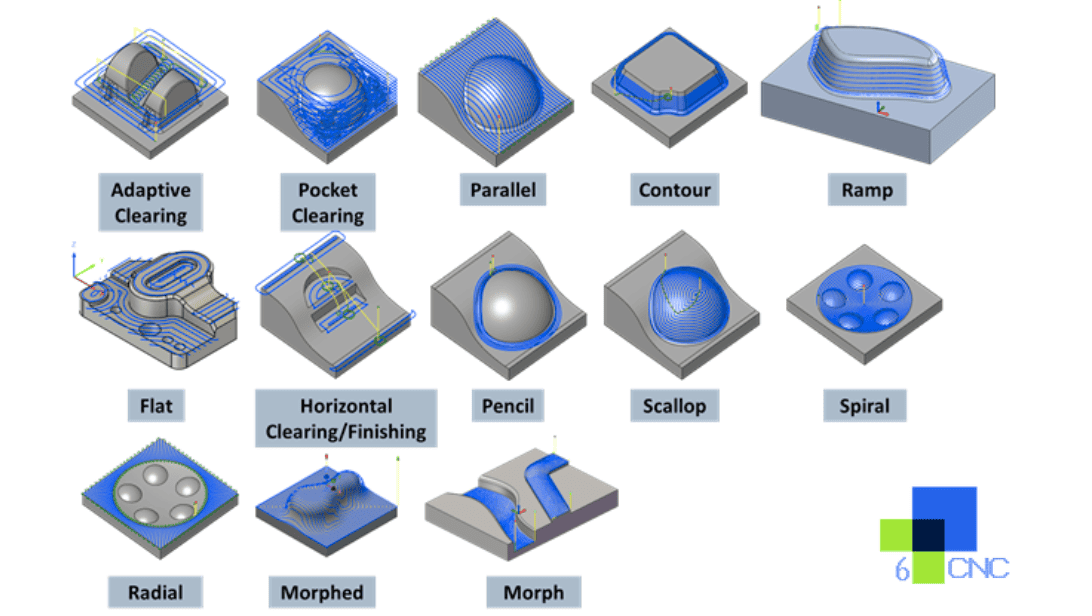
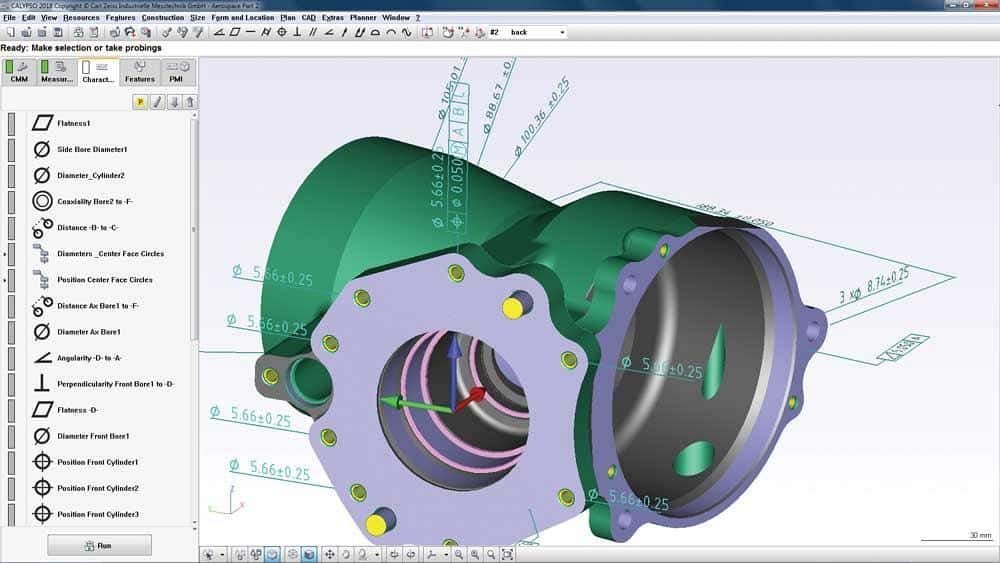
Robotics components often require tight tolerances and controlled surface finishes.
Tolerance requirements depend on the application, but motion-critical parts usually require higher precision.
At 6CNC, we control this through:
- optimized machining processes
- fixture design for repeatability
- in-process inspection
- final dimensional verification
Surface finish is also critical in robotics applications.
Smoother surfaces reduce friction and improve movement performance.
The focus is on achieving both precision and consistency across production batches.
From Prototype to Production in Robotics
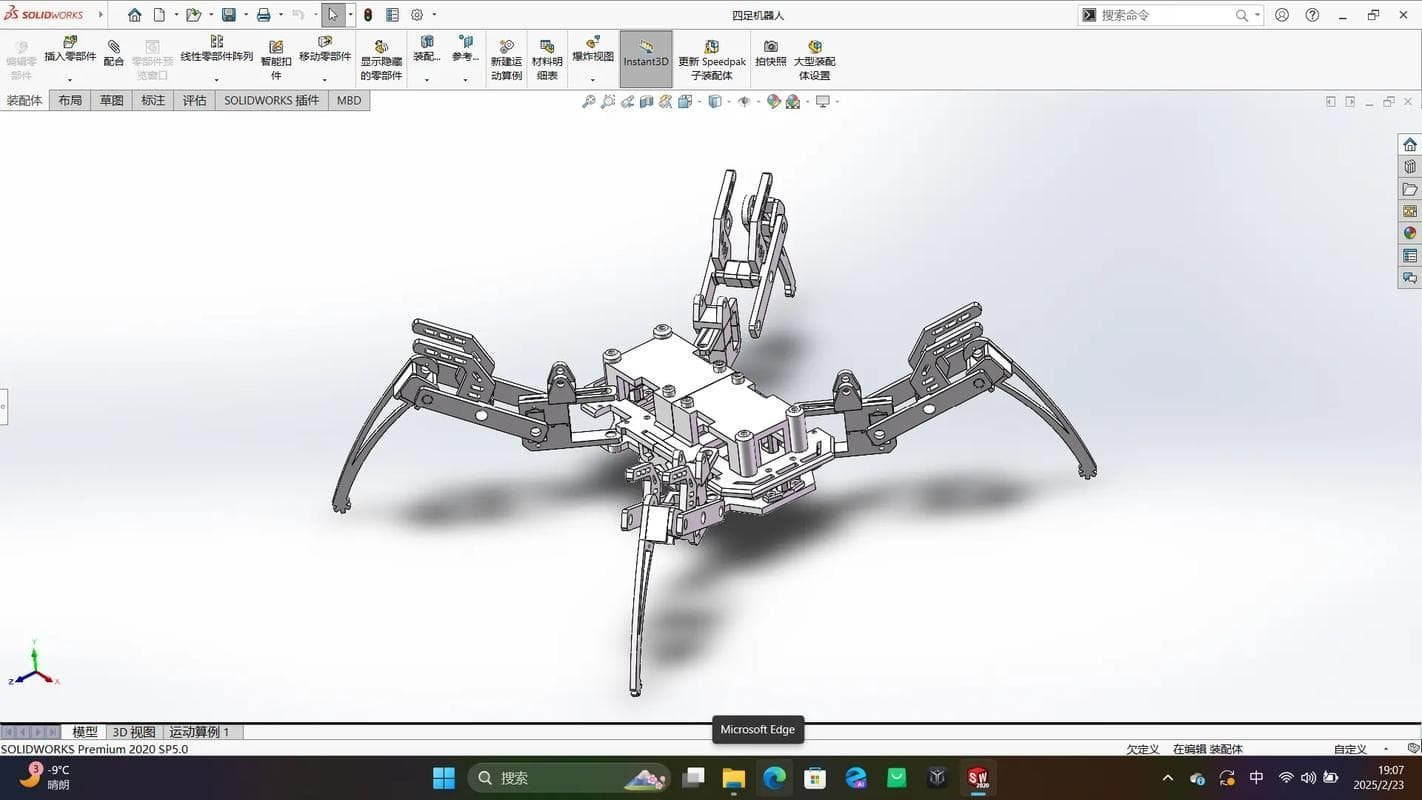
Robotics projects often involve rapid development and iteration.
Typical stages include:
- prototype development
- testing and validation
- small-batch production
- system integration
The challenge is maintaining consistency as designs evolve.
We support this by:
- optimizing machining processes for repeatability
- supporting fast iterations during development
- ensuring stable quality in small-batch production
- providing flexibility for design changes
This approach helps you move faster from concept to functional systems.
From Prototype to Mass Production
Automotive projects typically move through several stages:
- prototype development
- testing and validation
- pilot production
- full-scale production
The main challenge is maintaining consistency as volume increases.
We support this transition by:
- optimizing machining processes for scalability
- ensuring repeatability across batches
- supporting both low-volume and high-volume production
- aligning manufacturing with production requirements
This approach helps reduce risk when moving from development to production.
Why Choose 6CNC for Robotics Parts Machining
6CNC is a precision manufacturing partner focused on custom parts for robotics and automation applications.
What you can expect:
- on-demand custom manufacturing for metal and plastic parts
- support from prototype to production
- multiple machining capabilities in one place
- stable quality across batches
- practical engineering support
FAQ About Robotics Parts Machining
What is robotics parts machining?
Robotics parts machining is the process of manufacturing precision components used in robotic systems and automation equipment.
What parts are commonly used in robotics?
Common parts include robotic arm components, shafts, housings, brackets, and motion system components.
What materials are used in robotics machining?
Aluminum, steel, stainless steel, and engineering plastics such as POM and nylon are commonly used.
What affects machining cost?
Material, tolerance, geometry complexity, and production volume are the main cost factors.
Can CNC machining support small-batch robotics production?
Yes. CNC machining is well suited for prototypes and low-volume production, which are common in robotics development.
Related reading: Choosing a Robotics Parts Manufacturing Service
START A CONVERSATION