
6CNC · Additional manufacturing processes
Vacuum Casting for Low-Volume Plastic Parts
6CNC provides vacuum casting for prototype sets, product samples, and short runs of plastic parts. Using a master pattern and silicone molds, we help you evaluate form, fit, and appearance without committing to injection-mold tooling.
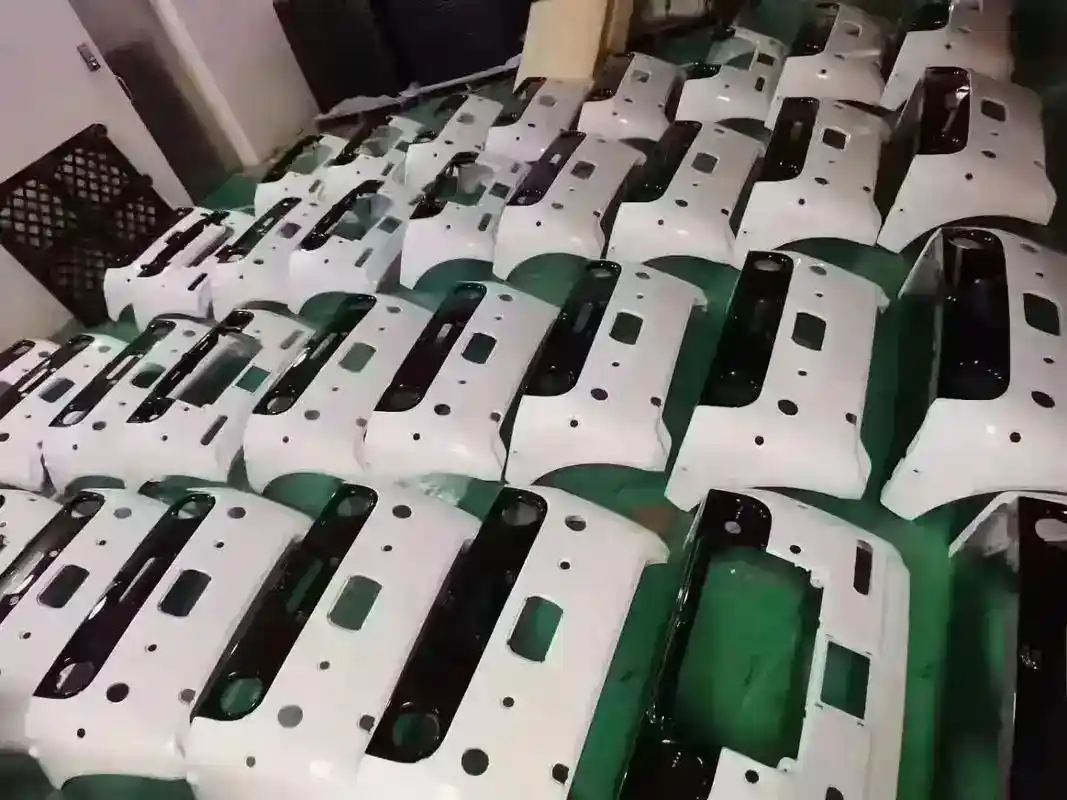
- Typical projects of 10–100 parts
- Rigid, flexible, and clear resin options
- Prototype-to-production support
Why Work with 6CNC?
6CNC helps you choose a practical route between a single prototype and molded production. We review the master, resin requirements, appearance, and batch quantity together, with finishing and inspection defined around the purpose of your parts.
10+ Years
of CNC Machining Expertise
50,000+
Precision Parts Delivered
140+
Advanced CNC Machines
10,000+
Satisfied Clients Worldwide
Backed by 6CNC’s CNC machining experience, with support for prototyping, process selection, and the transition to repeat production.
Make a Small Batch Before Committing to Hard Tooling
Vacuum casting is useful when you need several similar plastic parts for evaluation, demonstrations, or an early build. Our existing service range typically covers 10–100 parts, depending on the part and mold plan.
Product and market samples
Produce coordinated sample sets for design reviews and customer demonstrations. Specify visible surfaces and color expectations so the batch has a clear appearance target.
Enclosures and housings
Check assembly space, handling, access, and the fit of covers or interfaces. Identify any dimensions that require documented inspection.
Bridge production
Support an early build while the long-term design or production route develops. Confirm whether the selected cast resin is suitable for the intended use.
Match the Cast Resin to the Test
6CNC uses polyurethane resins to provide different appearance and handling characteristics. Material descriptions such as ABS-like identify a comparison; they do not make the resin identical to a molded thermoplastic.
| Option | What to review |
|---|---|
| ABS-like rigid resins | For general sample housings and rigid components. Review stiffness, impact needs, and the actual resin data for the intended evaluation. |
| Rubber-like resins | For flexible components or handling trials. Specify the desired hardness, deflection, and conditions of use. |
| Transparent resins | For clear or translucent appearance requirements. Define the visible area and the level of clarity needed for the sample. |
| Color and appearance | Provide a color reference and identify cosmetic faces. Discuss the achievable finish and whether a reference sample is required. |
Tell 6CNC about heat, chemicals, repeated loading, or long-term exposure. Suitability must be reviewed for the chosen resin and intended conditions; appearance alone cannot confirm performance.
Start with a Master That Represents Your Design
The master establishes the geometry and surface detail reproduced by the mold. 6CNC reviews the part definition and the intended finish before committing to a batch.
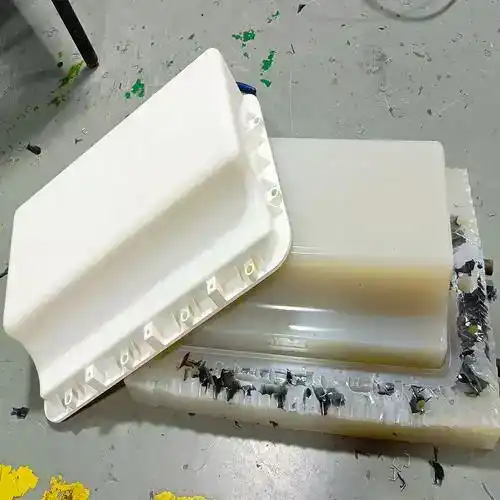
Controlled geometry
Use the approved CAD revision and identify critical fits. Resolve any mismatch between the model, drawing, and reference sample.
Surface preparation
Identify textures, smooth faces, lettering, and cosmetic areas. The master and finishing approach need to support the desired appearance.
Mold and release planning
Discuss parting lines, delicate details, and difficult release features. Agree where visible marks are acceptable and which surfaces must be protected.
From Master Pattern to a Finished Sample Batch
6CNC coordinates the sequence around the approved part definition. The number of molds and planned output depend on the resin, geometry, and quality requirements.
01
Define the sample set
Send the model, drawing, quantity, material behavior, color, finish, and evaluation purpose. Include the date the parts are needed.
02
Prepare the master and mold
Confirm the master geometry and surface condition, then plan silicone tooling for the proposed quantity and part features.
03
Cast and finish
Produce parts using the agreed resin and process. Include curing and any specified finishing in the production scope.
04
Check and review
Inspect the agreed dimensions and appearance requirements. Use your sample evaluation to approve the next design revision or production stage.
Set Clear Expectations for Dimensions and Appearance
We help you define the checks that matter before manufacture. Separate a visual approval from an assembly check or a functional test so the batch supports the decision you need to make.
- Fit and interfaces
Identify mating surfaces, fastener positions, and clearance requirements. Share the corresponding assembly information where it affects inspection. - Cosmetic acceptance
Define visible faces, color references, texture, and acceptable parting or finishing marks. A written reference makes repeat discussions more consistent. - Test conditions
State the intended environment and loading. A cast sample is useful only when its material behavior is appropriate for the test. - Repeat batches
Confirm whether an existing master and mold remain suitable. Do not assume that a silicone mold will produce an unlimited number of acceptable parts.
Plan Cost, Mold Life, and the Next Production Route
6CNC reviews the order as a complete small-batch project. Lower tooling investment can be useful during development, but resin, finishing, and replacement molds still affect total cost.
01
Batch quantity
Share the quantity needed now and any expected repeat sets. A larger order may require more molds or a different manufacturing route.
02
Lead-time inputs
Allow for master preparation, mold manufacture, casting, curing, finishing, and checks. We confirm timing against the actual part and requested finish.
03
Design iterations
Approve the revision before master preparation. Later geometry changes may require another master or mold, so identify experimental variants early.
04
Transition to molding
When demand becomes repeatable and the design stabilizes, 6CNC can review injection molding. Recheck the production resin and moldability rather than treating a cast sample as complete production approval.
Vacuum Casting FAQ
How many vacuum-cast parts can 6CNC supply?
Our typical project range is 10–100 parts. The proposed mold quantity and usable output depend on geometry, resin, surface requirements, and mold condition.
Is an ABS-like cast resin the same as ABS?
No. An ABS-like polyurethane resin can approximate selected characteristics, but its formulation and properties differ from injection-molded ABS. Review the chosen resin against the test requirements.
Can vacuum casting produce transparent parts?
6CNC offers transparent resin options. Share the required clarity, visible surfaces, and application so the material and finishing approach can be reviewed.
Can I use a cast part for functional testing?
Yes, when the resin and process are suitable for the intended test. Confirm loading, temperature, exposure, and acceptance requirements before manufacture.
How many parts will one silicone mold produce?
Mold life varies with material, geometry, release difficulty, and quality expectations. We review the mold plan for your batch rather than guarantee a fixed number from every mold.
How does vacuum casting differ from injection molding?
Vacuum casting uses a master and silicone molds for cast resin parts; injection molding uses a different tooling and material process. Compare total cost, material requirements, and expected volume.
What files does 6CNC need for a quote?
Provide a CAD model, controlled drawing, quantity, resin properties, color, finish, critical dimensions, intended use, and delivery date. Include reference images or samples for appearance requirements.
Start your project with 6CNC
Request a Vacuum Casting Quote
Send 6CNC your files and project requirements. We will review the manufacturing route, material, quantity, finish, inspection, and delivery needs to prepare a project-specific quotation.