
Complex blind-cavity machining
Sinker EDM Services
Die sinking EDM and ram EDM machining for deep cavities, fine internal details, hardened tooling, and complex conductive components.
6CNC provides cavity EDM services using shaped electrodes to reproduce controlled geometry inside electrically conductive workpieces. The process is suited to blind cavities, deep ribs, narrow slots, detailed mold features, and areas inaccessible to conventional cutting tools.
Blind and deep cavities
Complex internal geometry
Hardened conductive materials
Tooling and custom precision parts
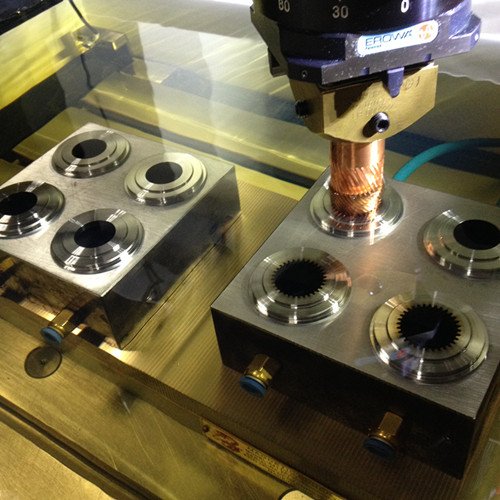
Die Sinking and Ram EDM Capabilities
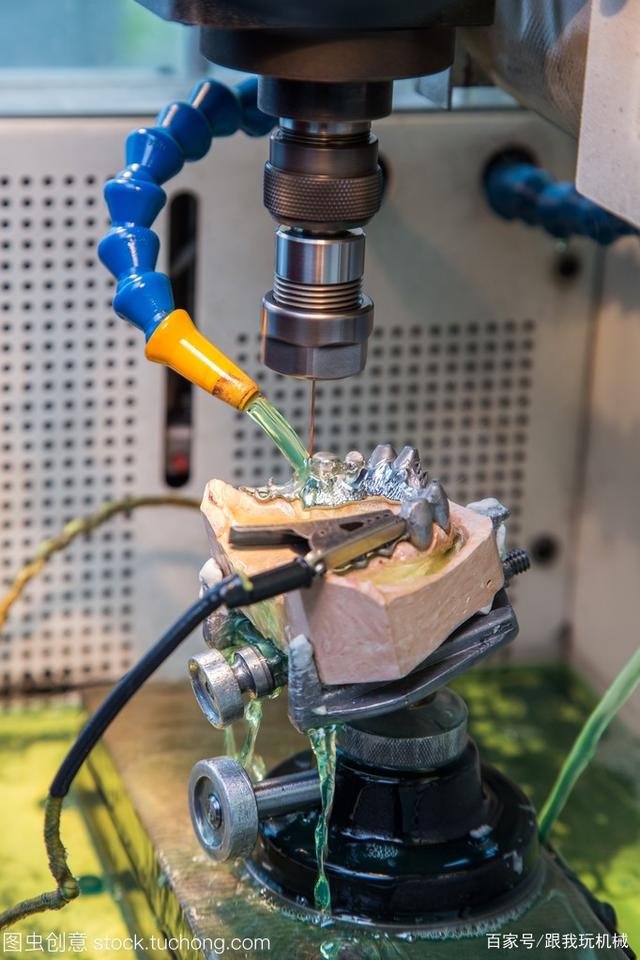
Blind Cavities
Create internal cavities and pockets that do not pass completely through the workpiece.
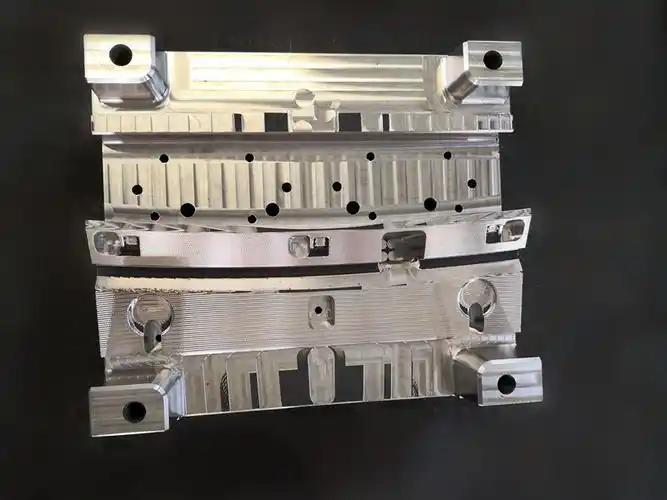
Deep Ribs and Narrow Slots
Review high-aspect-ratio features where conventional end mills may lack reach or stiffness.
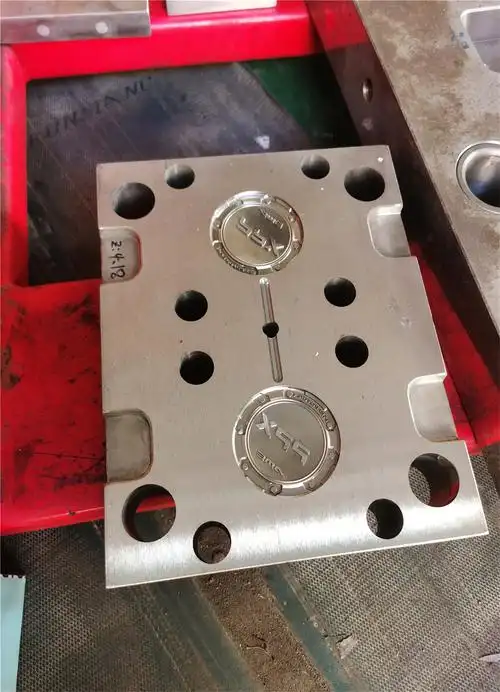
Complex 3D Forms
Use shaped electrodes for mold details, contours, logos, radii, and drawing-defined internal geometry.
Hardened Tooling
Machine selected heat-treated tool steels and other hard conductive materials without conventional cutting pressure.
Fine Details
Produce small internal features and controlled radii subject to electrode strength, spark gap, depth, and flushing.
Integrated Toolmaking
Coordinate electrode manufacture, CNC machining, grinding, wire EDM, heat treatment, polishing, and inspection.
Complex Cavity Machining Beyond Tool Access Limits
Conventional milling requires a rotating tool to reach the feature, maintain clearance, and withstand cutting forces. Sinker EDM takes a different approach: a shaped electrode approaches the workpiece in dielectric fluid, and controlled electrical discharges reproduce the electrode geometry in the conductive material.
This makes die sinking EDM useful for blind pockets, deep ribs, narrow slots, sharp internal details, textured areas, hardened tool steels, and complex mold or die features. The final result depends on electrode design, spark gap, wear compensation, flushing, material condition, and the roughing and finishing strategy.
Our engineers review the full component, not just the cavity. We clarify datums, draft, radii, depth-to-width ratio, electrode access, venting and flushing, surface finish, tolerance, and inspection before production.
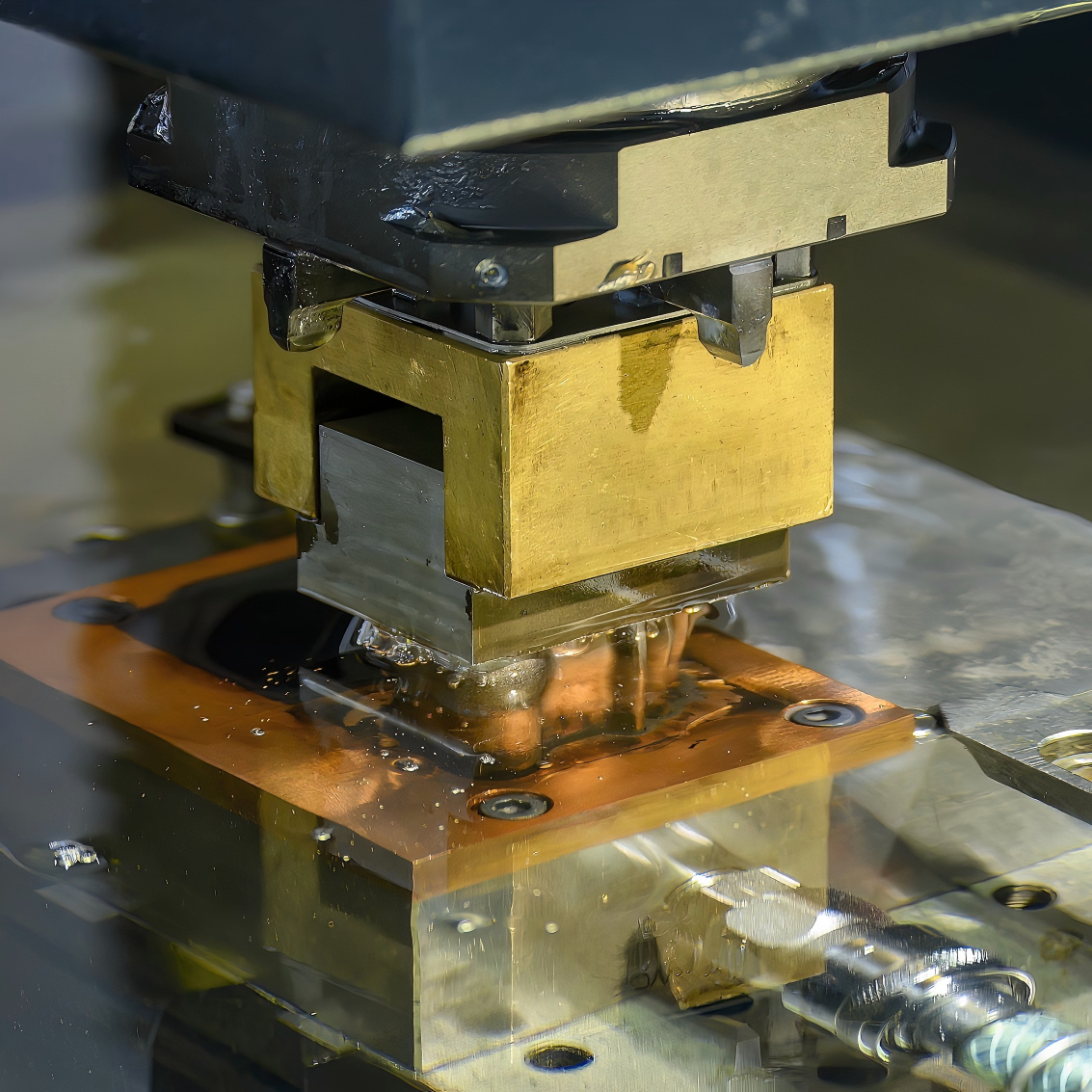
Our Cavity EDM Process
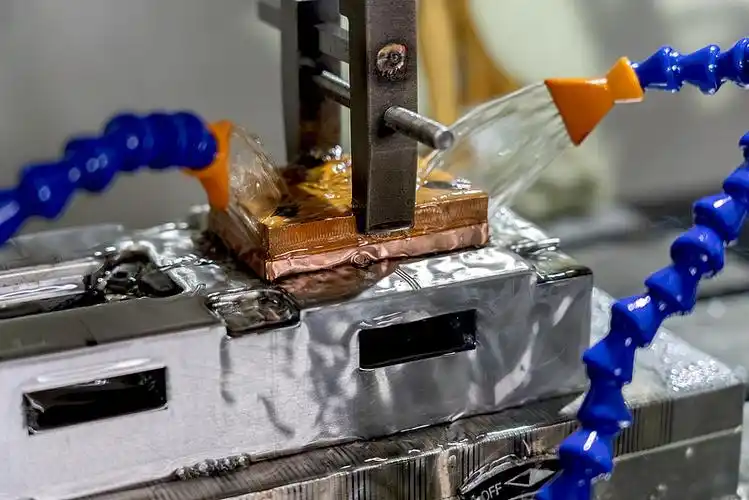
Engineering Review
Confirm cavity geometry, datums, material, hardness, radii, draft, depth, tolerance, finish, and inspection needs.
Electrode Strategy
Plan electrode material, quantity, roughing and finishing stages, wear compensation, access, and flushing.
Electrode Manufacturing
Machine graphite or copper electrodes with controlled dimensions and reference features.
Workpiece Preparation
CNC machine and heat treat the blank as required while preserving stock and datums for EDM.
Rough and Finish EDM
Remove material in controlled stages, then apply finishing parameters for the specified geometry and surface condition.
Inspection and Finishing
Verify the cavity and related features, then coordinate polishing, texturing, coating, or assembly work if required.
Materials for Sinker EDM Machining
Material group
Tool steels
Examples
H13, D2, A2, P20 and specified grades
Typical use
Molds, dies, punches, inserts, wear tooling
Hardened steels
Examples
Heat-treated carbon and alloy steels
Typical use
Precision cavities and difficult post-heat-treat features
Stainless steels
Examples
304, 316, 17-4 PH and specified grades
Typical use
Medical, food, laboratory, and industrial components
Carbide
Examples
Selected cemented carbide grades
Typical use
Wear tooling, dies, and inserts
Titanium and nickel alloys
Examples
Drawing-specified conductive alloys
Typical use
Aerospace, energy, and demanding components
Copper and conductive alloys
Examples
Copper, brass, bronze
Typical use
Electrical, thermal, tooling, and precision parts
Standard sinker EDM requires an electrically conductive workpiece. Electrode material and manufacturing route are selected separately based on geometry, wear, detail, finish, and removal rate.
Cavity Accuracy and Process Control
Electrode Compensation
Electrode dimensions account for spark gap, expected wear, roughing allowance, and finishing strategy.
Depth and Position
Cavity depth and location are controlled relative to the drawing datums and surrounding machined features.
Internal Radii
Corner and root radii are reviewed against electrode geometry, spark gap, depth, and finishing requirements.
Surface Finish
Electrical parameters and finishing passes are selected around the required functional or cosmetic surface.
Flushing and Stability
Cavity shape, depth, debris evacuation, electrode access, and thermal stability are considered in setup planning.
Inspection Reporting
CMM, optical, dimensional, or project-specific methods are selected according to geometry and drawing requirements.
Applications for Complex Cavity EDM
Injection Molds
Deep ribs, shutoffs, inserts, slides, lifters, logos, and detailed cavity features.
Die-Casting Tooling
Hardened inserts, cores, details, vents, and difficult internal forms.
Stamping Dies
Forming details, punches, die sections, wear components, and repair features.
Medical Components
Small conductive cavities, instrument features, tooling, fixtures, and development parts.
Aerospace Tooling
Difficult-alloy tooling, fixtures, test hardware, and drawing-controlled cavity features.
Automotive Tooling
Prototype and production tooling, checking equipment, inserts, and maintenance parts.
Electronics Tooling
Connector molds, fine-detail inserts, lead-frame tooling, and precision fixtures.
Industrial Machinery
Blind pockets, wear parts, repair components, valve details, and custom mechanisms.
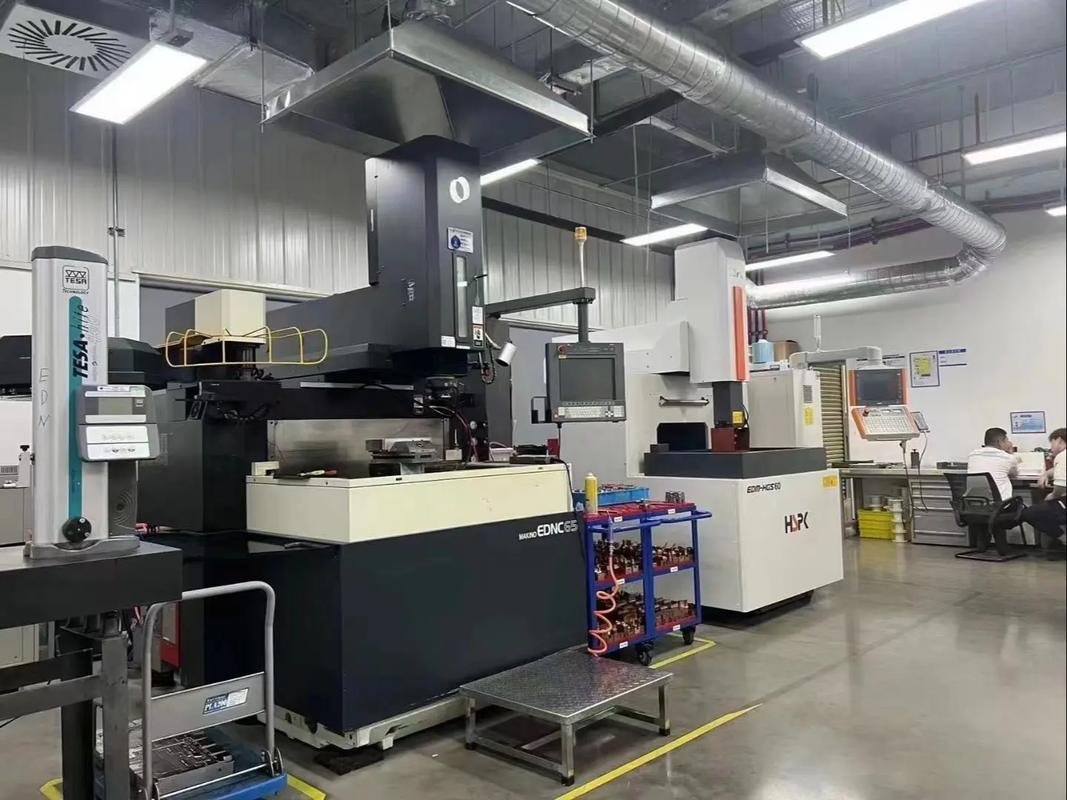
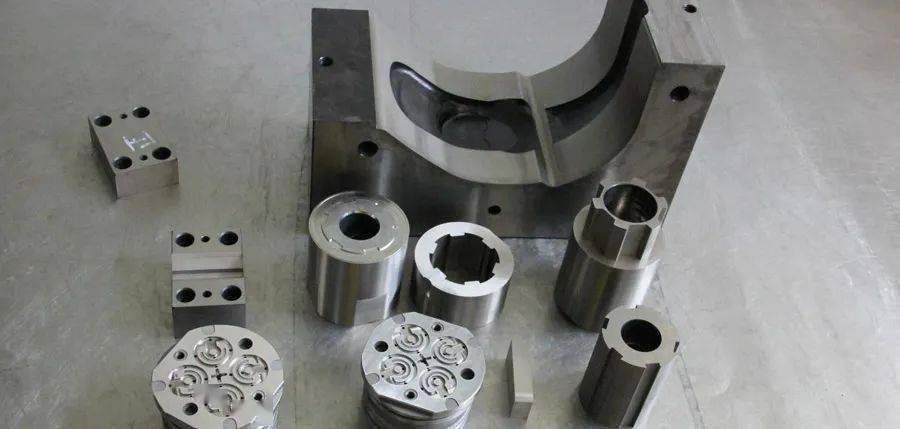
Common questions
FAQ About Sinker EDM Services
What is sinker EDM?
Sinker EDM, also called die sinking EDM, ram EDM, or cavity EDM, uses a shaped conductive electrode and controlled electrical discharges to erode a corresponding cavity in a conductive workpiece.
How is sinker EDM different from wire EDM?
Wire EDM cuts through a workpiece along a wire path, while sinker EDM uses a shaped electrode to create blind cavities, pockets, ribs, and internal three-dimensional forms.
What materials can be sinker EDM machined?
The material must be electrically conductive. Common choices include tool steel, hardened steel, stainless steel, carbide, copper alloys, titanium, and nickel alloys.
Can sinker EDM machine hardened steel?
Yes. Sinker EDM is commonly considered for hardened tooling and components because material hardness does not create conventional cutting resistance.
Can it produce sharp internal corners?
It can produce small internal radii and detailed features, but the final radius is influenced by electrode geometry, spark gap, depth, material, and flushing.
What is an EDM electrode made from?
Common electrode materials include graphite and copper. Selection depends on feature detail, wear, removal rate, surface finish, workpiece material, and project economics.
Can you machine deep ribs and narrow slots?
Yes, selected deep ribs, slots, and narrow cavities can be reviewed. Depth-to-width ratio, flushing, electrode strength, wear, and access affect feasibility.
What tolerances can sinker EDM achieve?
Tolerance depends on cavity size, depth, material, electrode design, wear compensation, thermal stability, finish passes, and inspection method. State the required values on the drawing.
Can you make both the electrode and the finished part?
Yes. Electrode design and manufacturing can be coordinated with CNC milling, turning, grinding, heat treatment, EDM, and inspection.
Do you support mold repair and small batches?
Yes. We review prototype tooling, mold inserts, repair work, one-off precision components, and repeat small batches.
Start your project
Get a Sinker EDM Quote
Send your 3D CAD model and 2D drawing with material, hardness, cavity geometry, corner radii, tolerances, surface finish, quantity, and inspection requirements.