
6CNC · Custom machined components
Rapid Prototyping for Functional CNC Parts
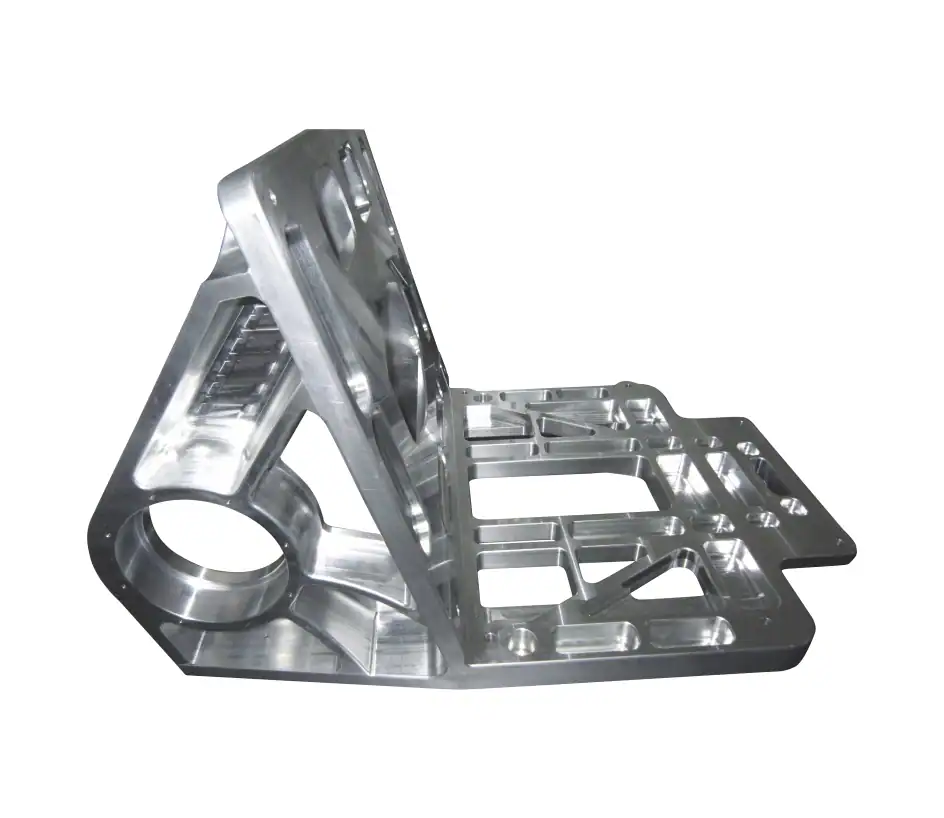
At 6CNC, we turn your drawings into metal and plastic prototypes for fit, assembly, and functional testing. Our CNC prototyping service combines production-grade materials, DFM support, machining, and finishing to help you validate your design before committing to production.
- Fit and assembly
- Motion and interfaces
- Material and finish
Why Work with 6CNC?
Work with 6CNC from your first functional sample through design iterations and small-batch production. Our Shenzhen team reviews your drawings, material choices, and testing requirements to help you find a practical manufacturing route.
Functional CNC prototypes
6CNC machines production-grade metals and engineering plastics so you can evaluate fit, assembly, and material behavior using a physical part that reflects your design intent.
DFM support before machining
We review thin walls, deep cavities, tool access, and tight tolerances with you. Our feedback helps identify avoidable machining cost and prepare the next design iteration.
One partner from 1 to 600 parts
Start with a single prototype and move into small-batch production with 6CNC. We coordinate machining and finishing, then review your approved revision and inspection needs for the next order.
6CNC at a Glance
10+ Years
of CNC Machining Expertise
50,000+
Precision Parts Delivered
140+
Advanced CNC Machines
10,000+
Satisfied Clients Worldwide
6CNC supports prototype and small-batch orders from 1 to 600 parts. Our stated machining capability includes tolerances as tight as ±0.002 mm on suitable features, subject to material, geometry, setup, and measurement review. Simple prototypes may be completed within a few days; we confirm timing after reviewing machining, finishing, and inspection needs. Our Shenzhen location supports global delivery.
What Does Your Prototype Need to Validate?
Start with the decision you need to make. Your test objective helps define the material, critical dimensions, finish, and inspection scope.
Fit and assembly
Identify mating surfaces, fastener locations, clearances, and alignment features that need checking.
Motion and interfaces
Specify bearing seats, sliding features, threads, and other interfaces that affect the assembly.
Material and finish
Use the specified material and surface condition when they influence the intended test.
- For an assembly trial, identify which mating components will be used and which dimensions determine a successful fit.
- For a functional test, describe the operating conditions and what you intend to measure. A visual model and a load-bearing test part may need different specifications.
CNC Machining for Your Prototype Geometry
Milling, turning, and combined operations are reviewed against your model and drawing. Tool access, workholding, thin walls, and deep features can affect the proposed route.
Milled components
Housings, brackets, plates, and parts with pockets or several machined faces.
Turned components
Shafts, spacers, bushings, and rotational parts with drawing-defined fits.
Combined features
Parts that combine cylindrical surfaces with flats, holes, slots, or other milled details.
- Share the complete part geometry, including features on the reverse side. A single rendered view cannot define hidden pockets, bores, or threads.
- Separate mandatory design requirements from features that can change after review. This makes it easier to discuss practical machining alternatives.
Choose Materials Around the Test
Material grade affects how representative a prototype will be. Specify the required grade rather than relying on appearance or a broad material name.
| Review item | What to confirm |
|---|---|
| Metals | Aluminum, stainless steel, titanium, brass, and other drawing-specified metals are subject to machining review. |
| Engineering plastics | POM, nylon, PEEK, ABS, and selected polymers are reviewed against geometry and testing needs. |
| Finish requirements | Identify coating, appearance, masking, and critical surfaces before quoting; finishing may affect fit. |
- If the prototype is intended to represent a production part, identify any material or finish substitutions that would make the test less representative.
- When an alternative grade is acceptable, state the properties that matter and request approval before a substitute is used.
Prepare Your Design for Machining
Provide the model together with a controlled drawing. Mark critical features so the review can focus on requirements that affect machining and inspection.
- Feature access
Deep pockets, internal corners, and obstructed surfaces may require changes or additional operations. - Thin sections
Identify delicate walls and features where machining or handling needs special consideration. - Drawing clarity
State datums, fits, threads, surface requirements, and the revision to manufacture.
- Distinguish general dimensions from critical interfaces. Specify the datum reference and acceptance requirement for each feature that drives the test.
- Call out surfaces that must remain free of coating, cosmetic faces that need protection, and edges where the drawing requires a defined condition.
From Drawing Review to Prototype Testing
Agree on the manufacturing scope before machining. Use the delivered prototype and agreed inspection information to evaluate your design.
01
Define the sample
Send the revision, quantity, material, test objective, and requested delivery date.
02
Confirm the scope
Review machining feasibility, critical features, inspection, finishing, and the proposed schedule.
03
Machine and inspect
Manufacture to the agreed requirements and check the features included in the inspection plan.
04
Review the next revision
Use your test results to identify changes before another prototype or a small-batch order.
- Keep manufacturing inspection and product testing separate: an inspection report addresses agreed drawing requirements, while your test evaluates the intended application.
- Record the tested drawing revision with the results. Send a clearly identified new revision when requesting another sample.
Plan the Prototype Review Before Machining
Define the evidence you need from the sample before placing the order. This helps keep machining, inspection, and your own testing aligned.
01
Assembly review
Identify the mating components, assembly sequence, and interfaces to check. Record any clearances or fits that determine whether the sample is usable.
02
Functional evaluation
State the intended test conditions and the material and surface requirements that affect them. Define how you will judge the result.
03
Drawing verification
List the dimensions and features for which inspection information is needed. Agree on the checks and reporting before manufacture.
04
Next design decision
Decide how results will inform another prototype or a small-batch order. Keep design changes under a new controlled revision.
Rapid Prototyping FAQ
Can I order a single prototype?
Yes. 6CNC supports single prototypes and small-batch orders of 1–600 parts. We review material, geometry, setup, and inspection requirements before confirming your quotation.
Does a machined prototype guarantee production performance?
No. It provides a physical part for your evaluation. Performance validation, testing conditions, and design approval remain project-specific.
How soon can my prototype be ready?
Simple 6CNC prototypes may be completed within a few days. The confirmed schedule depends on material availability, geometry, quantity, finishing, and inspection. Send your target date and delivery destination for review.
Can you use my specified production material?
Include the grade and condition in the enquiry. Availability and machinability must be reviewed before the material is confirmed.
Can a prototype become a small-batch order?
Yes. 6CNC supports the transition from a single prototype to small-batch production of up to approximately 600 parts. We review the approved revision, batch quantity, process, and inspection requirements before the next order.
What if my CAD model and drawing do not match?
Identify the discrepancy and provide a corrected, controlled file set before manufacturing. State which requirements govern the part; conflicting dimensions or revisions should be resolved during review.
Can I request changes to reduce prototype cost?
Yes. Identify the features that may change and the requirements that must remain fixed. Possible changes need to be reviewed against your test objective and approved before machining.
Start your project with 6CNC
Request a Prototype Quote
Send your drawings and project requirements to 6CNC. Our team will review machining feasibility, material, quantity, finishing, inspection, and delivery needs, then provide a project-specific quotation.