
Micro-scale parts. Production-ready control.
Micro CNC Machining Services for Precision Small Parts
Manufacture miniature metal and plastic components with small features, delicate walls, controlled datums, and inspection planned around the drawing—from one-off prototypes to repeat low-volume production.
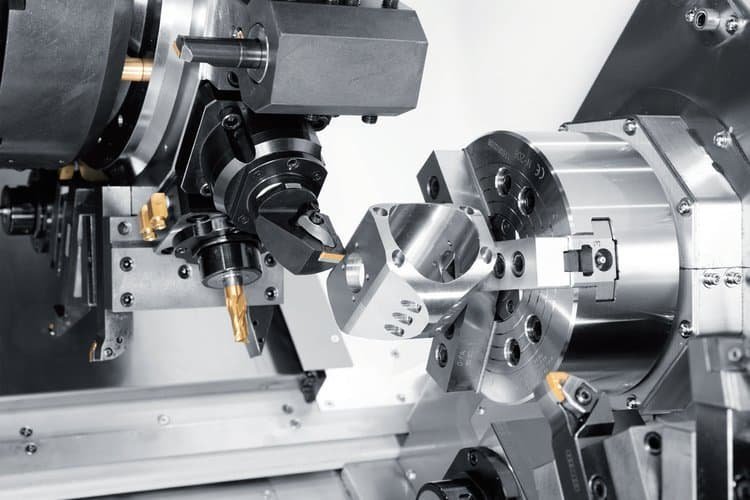
Micro milling, turning and Swiss machining
Free DFM review
Inspection reports available
10+ Years
Precision machining experience
140+ Machines
Flexible process capacity
1–600 pcs
Prototype and small-batch focus
Global Delivery
International project support
Small features change the process
Micromachining Is More Than Making a Part Smaller
As features shrink, tool deflection, spindle runout, material grain, heat, burr formation, part handling, and inspection uncertainty become a larger share of the tolerance. A process that works for a conventional component may not remain stable for a miniature one.
Our micromachining services begin with a feature-level review. We identify critical datums, small holes and radii, thin sections, edge requirements, surface condition, and how each critical dimension will be measured.
This helps us choose a realistic machining, workholding, deburring, and inspection strategy before production begins.
Miniature parts and applications
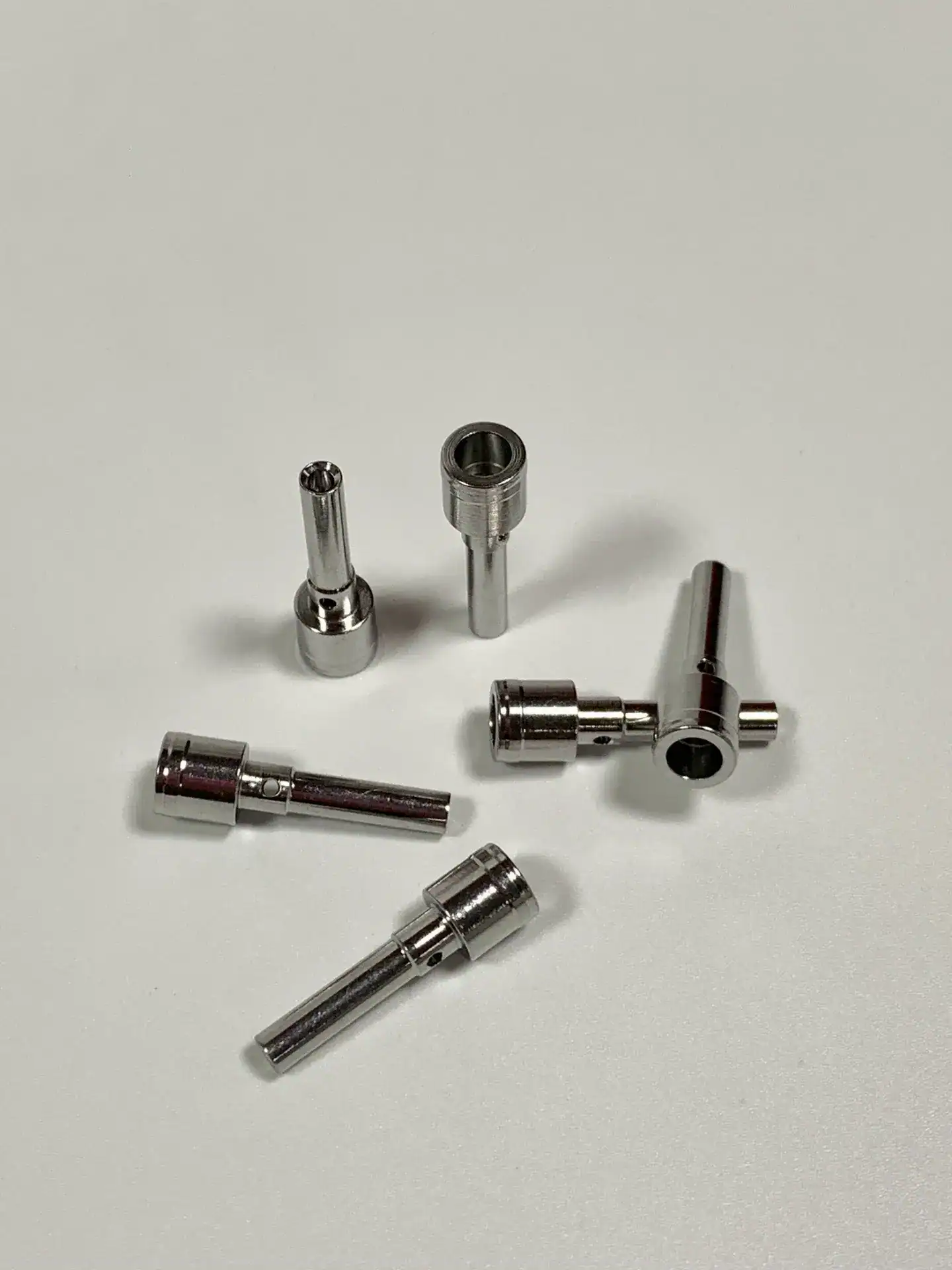
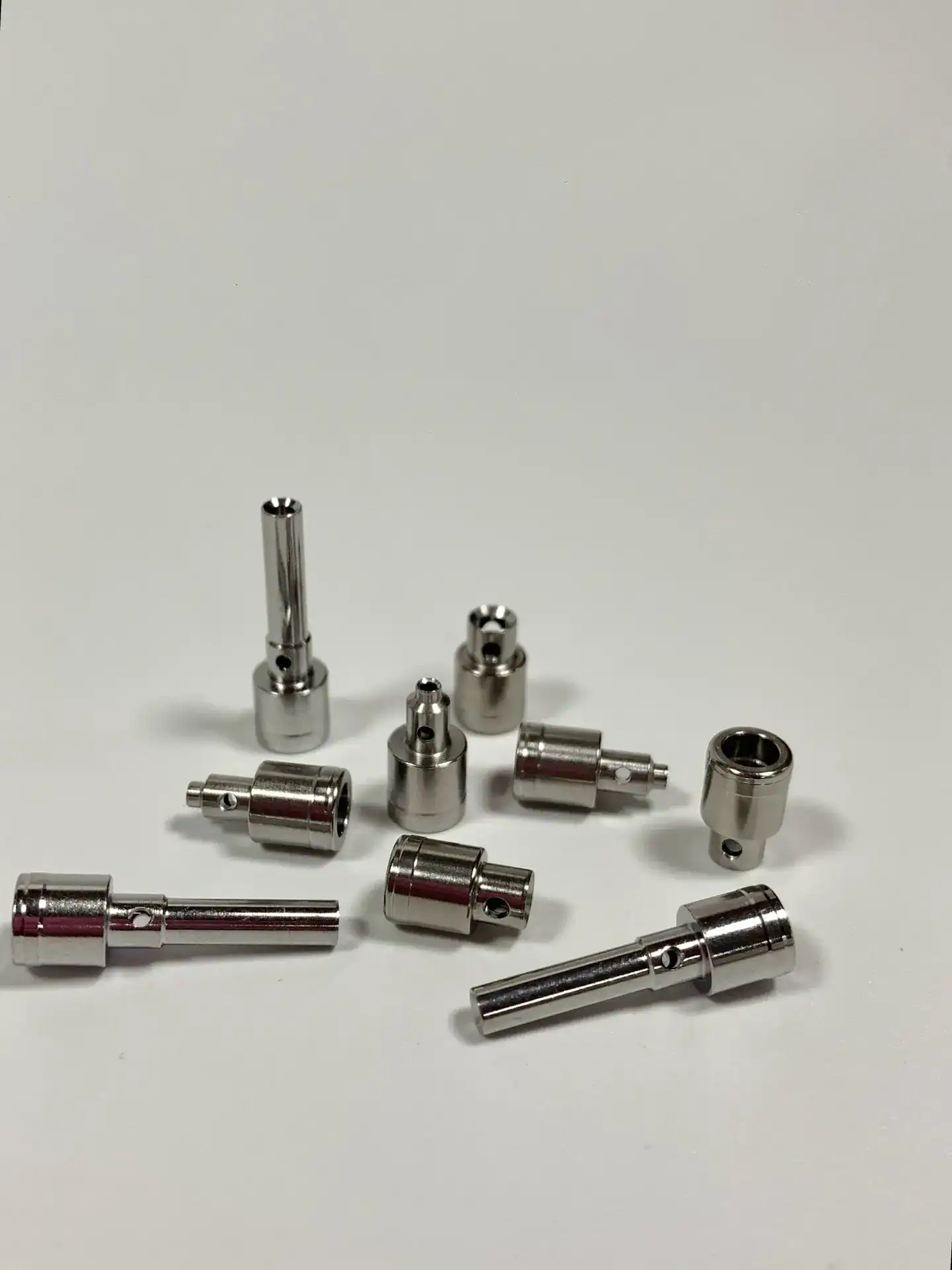
Small Parts CNC Machining
We manufacture build-to-print components rather than catalogue products. The appropriate process depends on geometry, aspect ratio, material, tolerance relationships, edge condition, quantity, and inspection scope.
01
Micro Housings
Small pockets, connector interfaces, sealing features, thin walls, and multi-face details for sensors, optics, electronics, and instrumentation.
02
Pins, Shafts, and Sleeves
Miniature turned parts requiring concentric diameters, fine threads, grooves, cross holes, controlled runout, or precision fits.
03
Fluid-Control Parts
Small manifolds, nozzles, valve features, ports, channels, and sealing interfaces with carefully controlled burrs and passages.
04
Connectors and Fittings
Compact connector bodies, ferrules, threaded fittings, couplings, and electrical components in metals or engineering plastics.
05
Optical and Device Parts
Lens mounts, apertures, instrument components, alignment hardware, and development parts made to supplied drawings.
06
Micro Fixtures
Alignment blocks, nests, miniature brackets, gripper details, and compact motion-system components.
Process selection
Micro Precision Machining Capabilities
Choose the machining route around part geometry, feature size, datum relationships, material, and production quantity. Multiple processes can be coordinated when a miniature component combines rotational, milled, or finish-critical details.
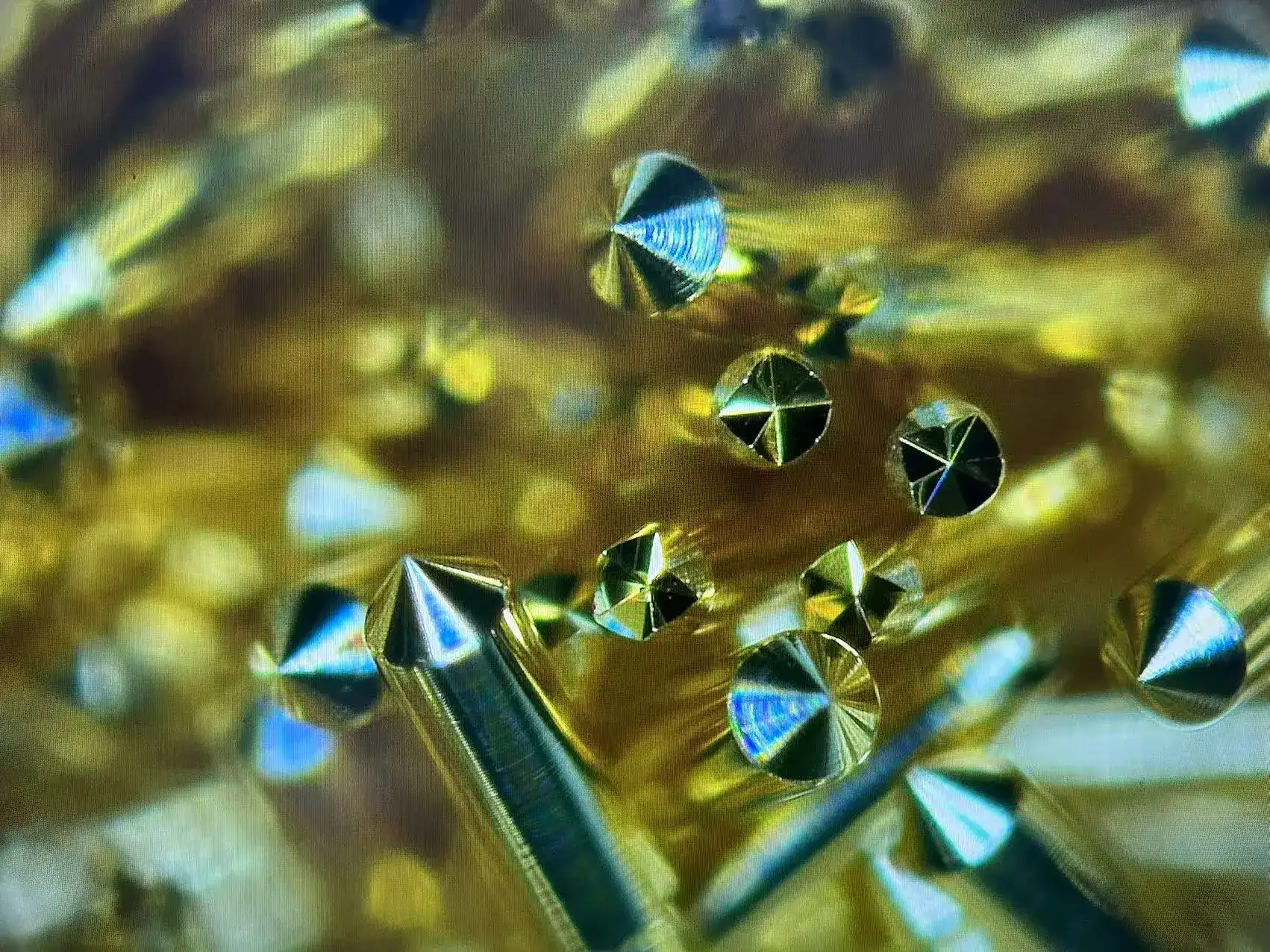
Micro CNC Milling ›
Small-diameter tooling for tiny pockets, slots, holes, contours, and multi-surface features.
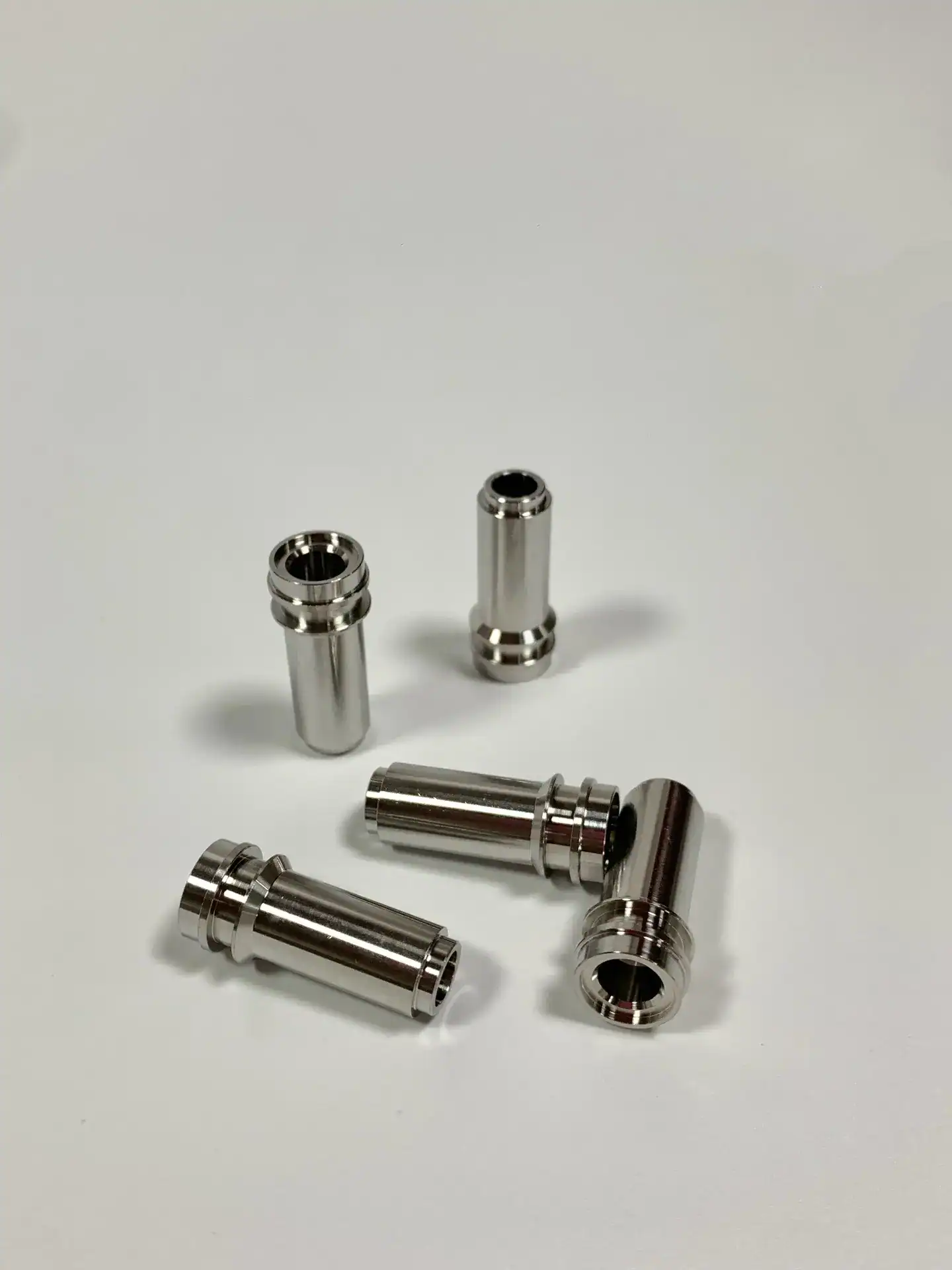
Micro CNC Turning ›
Miniature round parts requiring stable diameters, concentricity, fine threads, and controlled finishes.
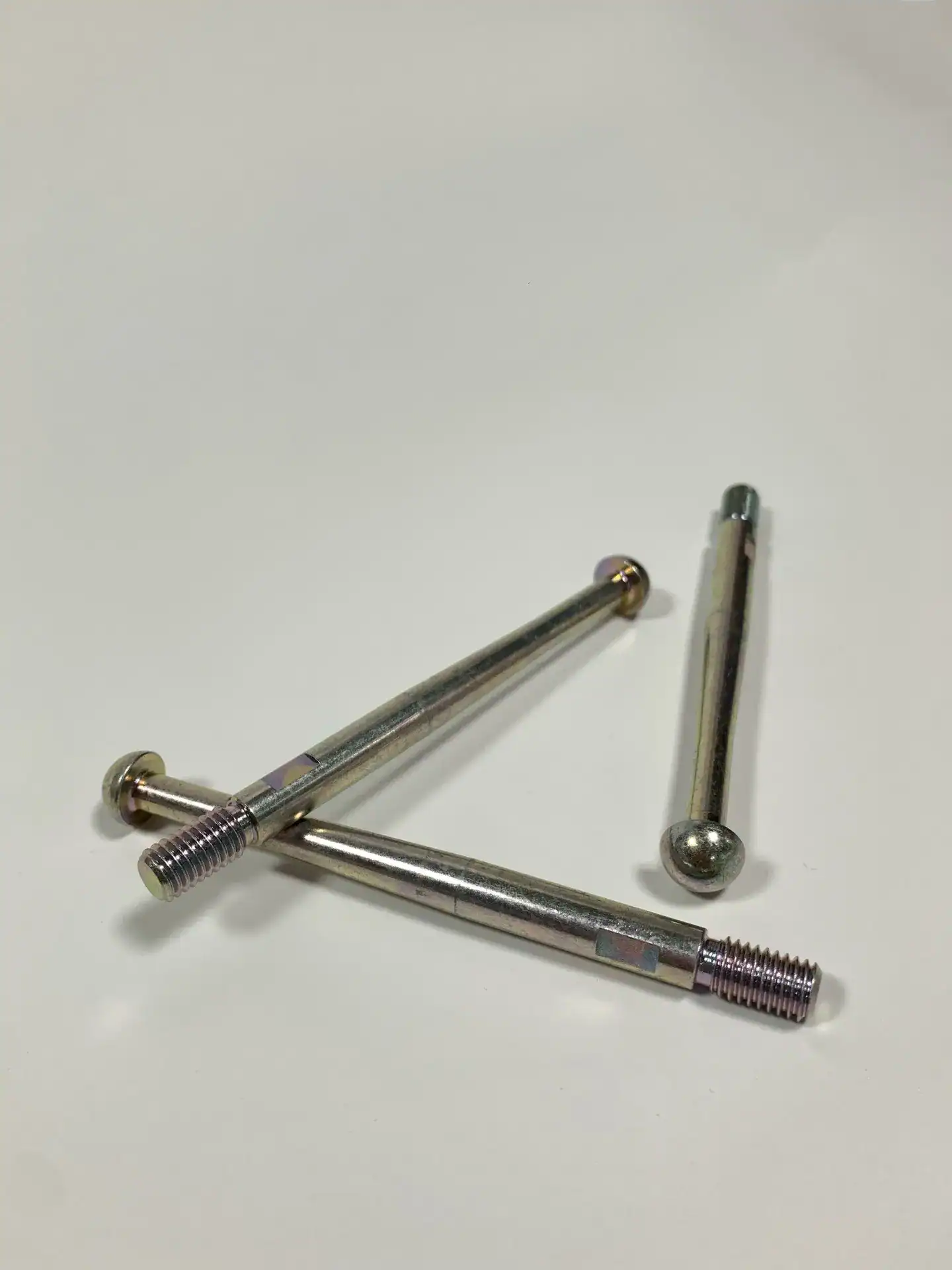
Swiss-Type Machining
Guide-bushing support for long, slender small-diameter parts and efficient repeat production.
Mill-Turn Machining ›
Turning and live-tool operations combined to protect relationships between rotational and off-axis features.
5-Axis Machining ›
Fewer setups for compact parts with multiple faces, compound angles, and difficult tool approaches.
Finishing and Secondary Work ›
Selected grinding, EDM, heat treatment, passivation, anodizing, plating, polishing, and laser marking.
Engineering reference
Materials, Tolerances, and Feature Requirements
Micro precision machining capability depends on the complete feature—not only its nominal dimension. Final capability is confirmed after reviewing the drawing, material, aspect ratio, tool access, datum structure, quantity, and measurement method.
| Requirement | Typical Project Consideration | How We Confirm It |
|---|---|---|
| Critical dimensions and fits | Nominal size, tolerance band, material response, and assembly function | Feature-specific process and inspection plan |
| Small holes, slots, and radii | Tool availability, depth ratio, entry condition, and chip evacuation | Tooling feasibility review before quotation |
| Thin walls and delicate features | Cutting load, fixture pressure, vibration, and distortion | Staged machining and controlled workholding |
| GD&T relationships | Datum access, setup count, tolerance stack, and measurement strategy | Drawing and inspection-method review |
| Materials | Aluminum, stainless steel, titanium, copper alloys, and engineering plastics | Grade, condition, certification, and availability check |
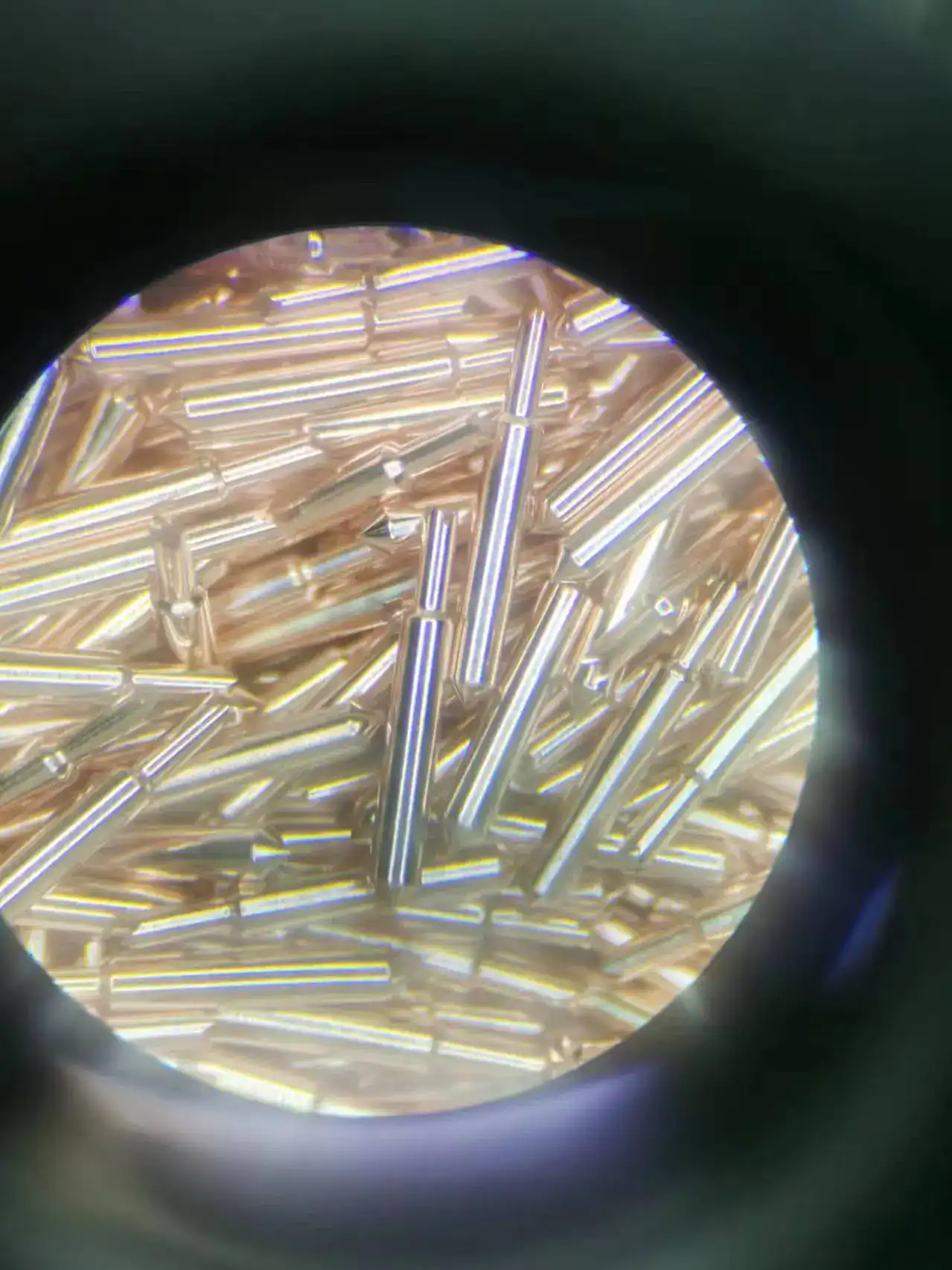
| Surface and edge condition | Functional finish, burr limits, edge breaks, and cosmetic requirements | Process selection and magnified inspection |
Suitable features can reach ±0.002 mm under controlled conditions. This is not a blanket tolerance for every dimension or miniature part; final capability must be paired with an appropriate measurement method.
6CNC process selection
How 6CNC Approaches Micro and Ultra-Precision Work
At 6CNC, micro machining focuses on miniature components and features—from a few micrometres to several hundred micrometres—where tool size, feature aspect ratio, burr control, handling, and optical measurement become critical.
Ultra-precision machining focuses on the accuracy and surface integrity of the result. Depending on the drawing, 6CNC can coordinate micro cutting, precision grinding, EDM, laser processing, and specialist finishing routes to address demanding form, dimensional, and surface requirements.
Not every miniature part requires an ultra-precision process. 6CNC selects the least complex route that can reliably meet the functional requirement. Our engineers review feature size, form accuracy, surface finish, material, datum relationships, production quantity, and measurement capability separately before recommending a method.
For sub-micrometre form requirements or nanometre-scale surface-finish targets, 6CNC performs a project-specific feasibility and metrology review before quotation.
6CNC grinding capability
When 6CNC Uses Precision Grinding
6CNC uses precision grinding as a final operation when milling or turning alone cannot provide the required flatness, parallelism, roundness, fit, or surface finish. Abrasive cutting edges remove controlled amounts of material while refining geometry on hardened, wear-resistant, or brittle workpieces.
- Surface grinding: flat faces requiring controlled flatness, parallelism, or thickness.
- Cylindrical grinding: outside or inside diameters, shoulders, and fits on rotational components.
- Centerless grinding: long, thin, small-diameter parts that benefit from continuous support and repeatable diameter control.
- Micro grinding: selected miniature features and hard or brittle materials where a defined-edge cutting tool is impractical.
6CNC evaluates grinding routes for hardened steels, carbide, technical ceramics, quartz or glass, titanium, non-ferrous alloys, and selected engineering plastics. Process selection is based on geometry, material fracture behaviour, stock allowance, finish, and inspection requirements.
01
Hard and Brittle Materials
6CNC considers grinding for carbide, technical ceramics, quartz, glass, and other wear-resistant materials when conventional cutting may cause excessive tool wear, chipping, or unstable edges.
02
Miniature Functional Parts
6CNC supports micro gears, bearing details, valve elements, shafts, optical mounts, electronic components, and medical-device parts requiring controlled flatness, parallelism, roundness, or finish.
03
Production Benefits
By integrating precision grinding with CNC machining, 6CNC can reduce secondary hand finishing, improve repeatability, control burrs and edges, and lower rework on finish-critical features.
Risk reduction
How We Control Micro-Scale Manufacturing Risk
DFM and CTQ Review
We separate functional requirements from general dimensions and flag fragile, inaccessible, or difficult-to-measure features.
Stable Workholding
Collets, soft jaws, nests, sacrificial tabs, and staged fixtures support small parts without deformation.
Tool and Runout Control
Short tools, suitable holders, conservative engagement, and tool-life monitoring protect miniature details.
Burr and Edge Control
Tool direction, deburring method, magnification, and drawing requirements are planned together.
Temperature Awareness
Part and gauge temperature, stabilization time, and measurement conditions are considered for tight dimensions.
Appropriate Metrology
Optical systems, CMM, microscopy, pin gauges, roughness testing, and conventional gauges are selected by feature.
Inside 6CNC
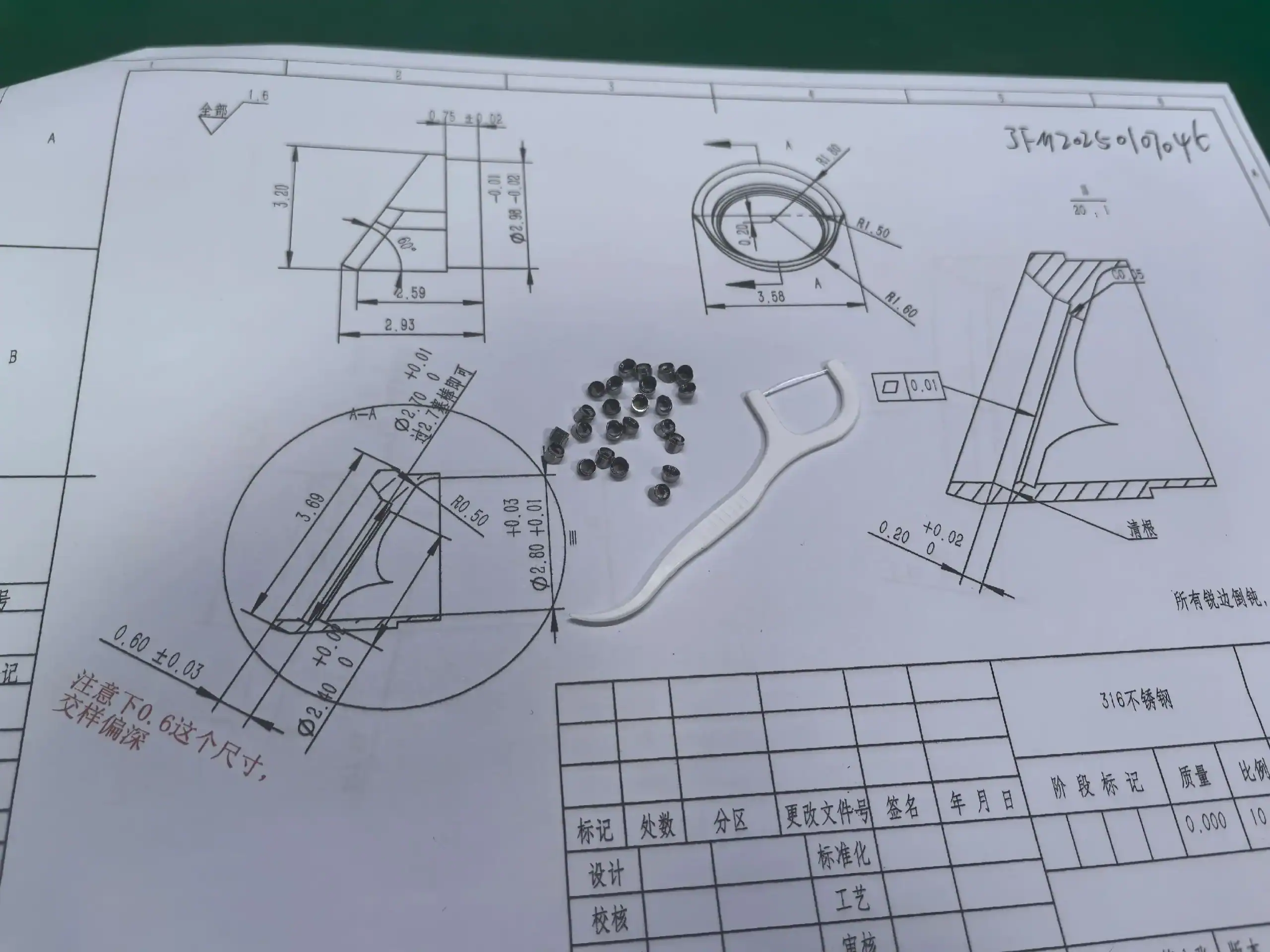
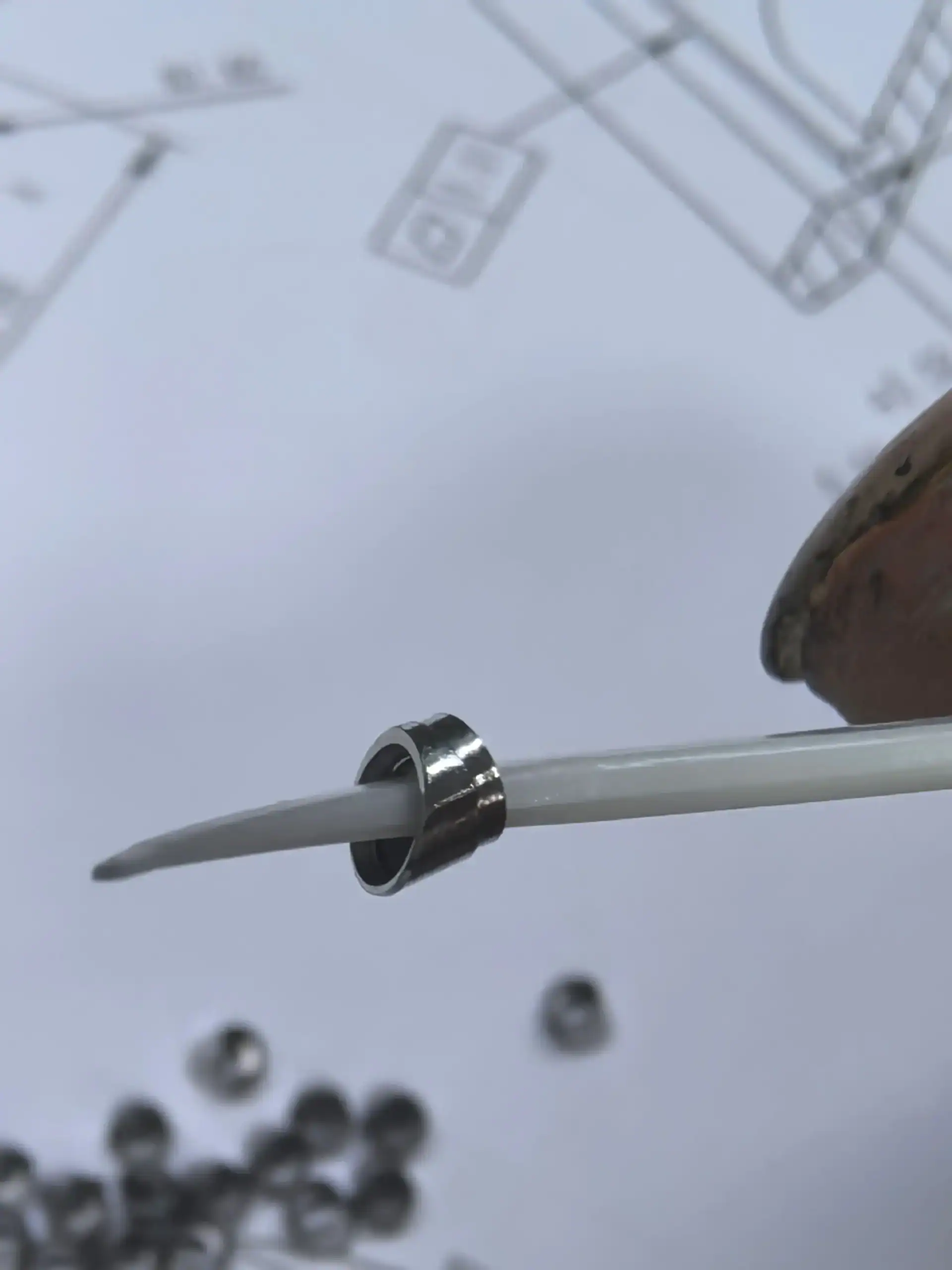
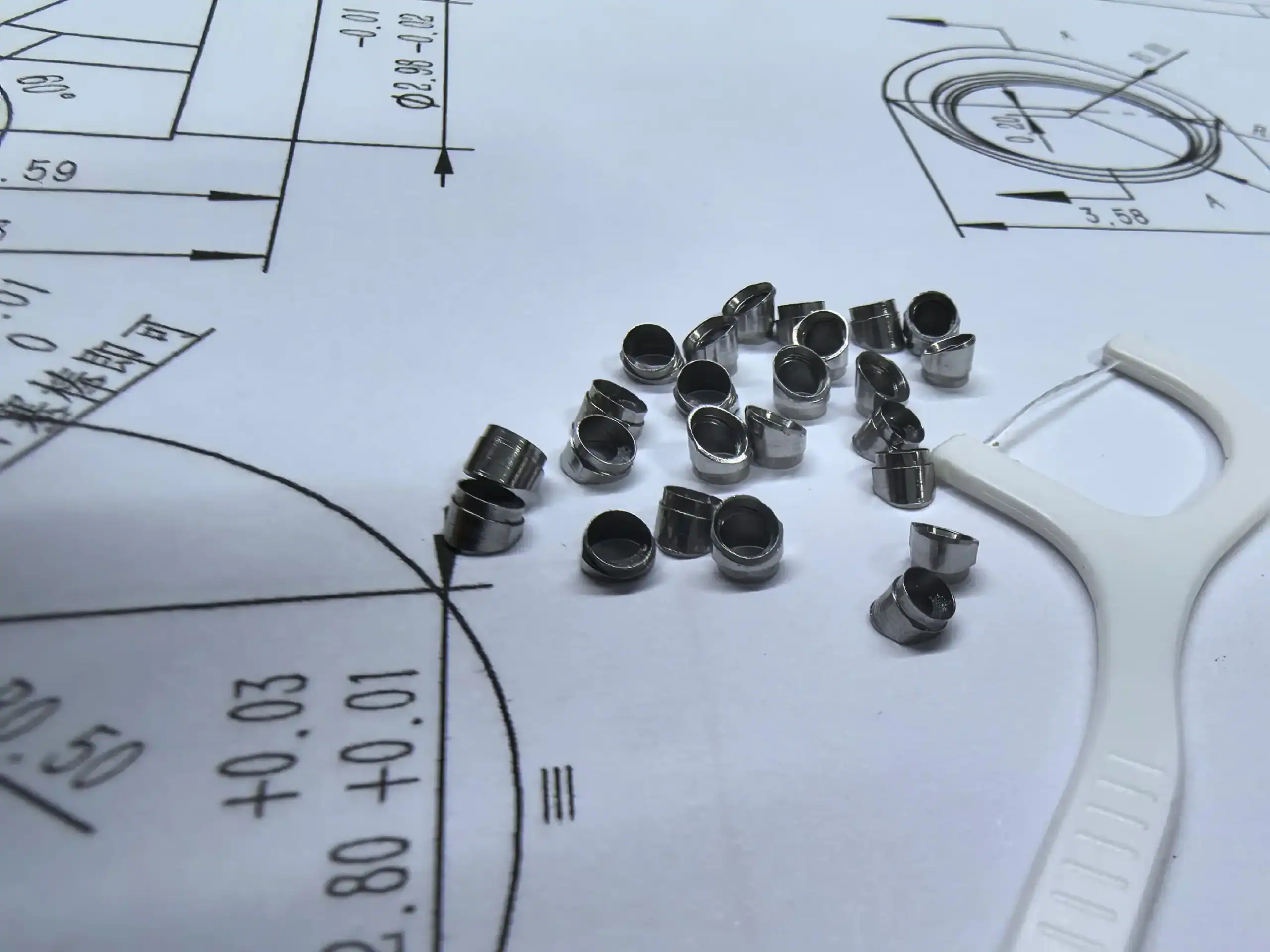
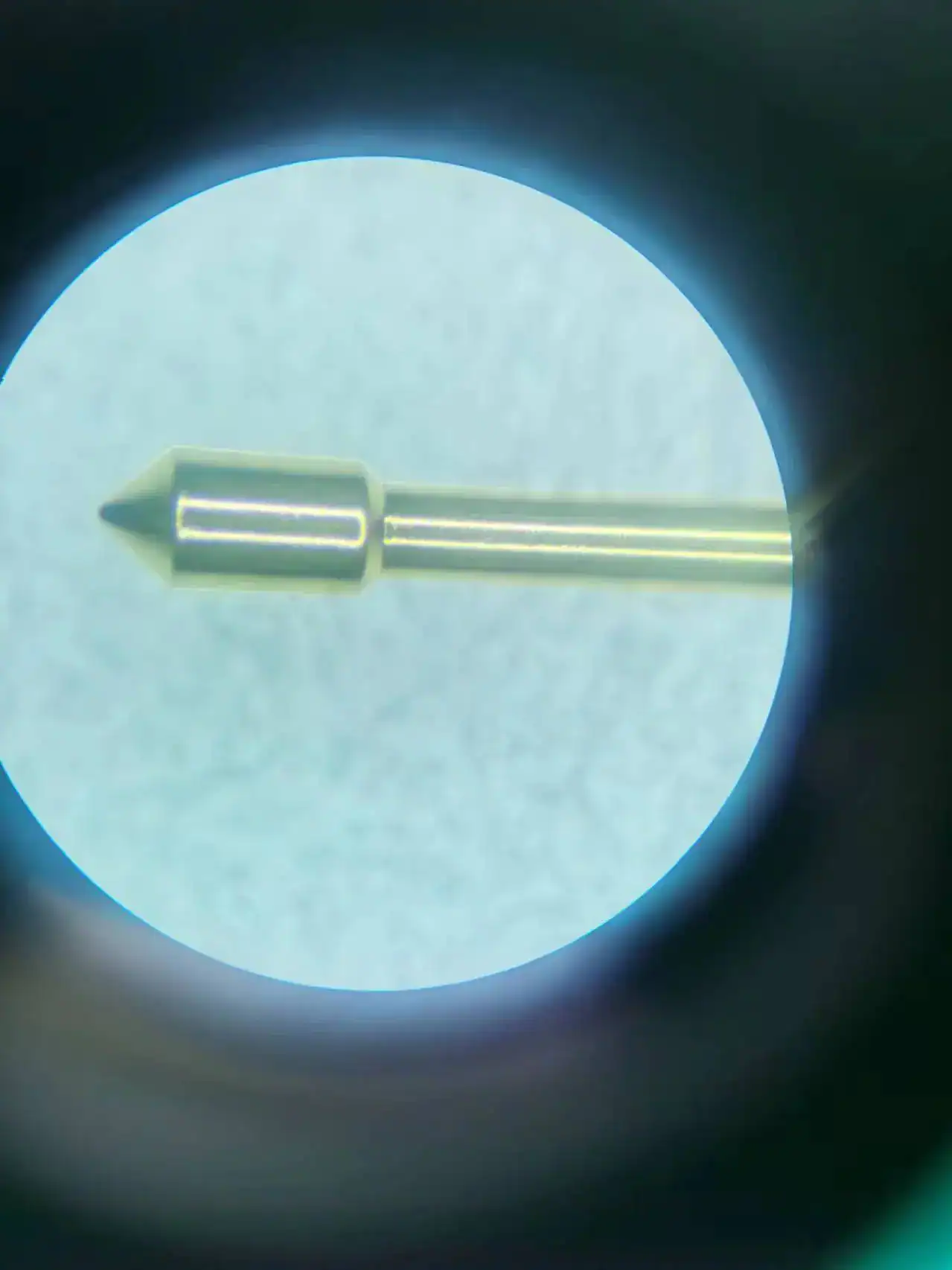
Micro Machining Production and Inspection
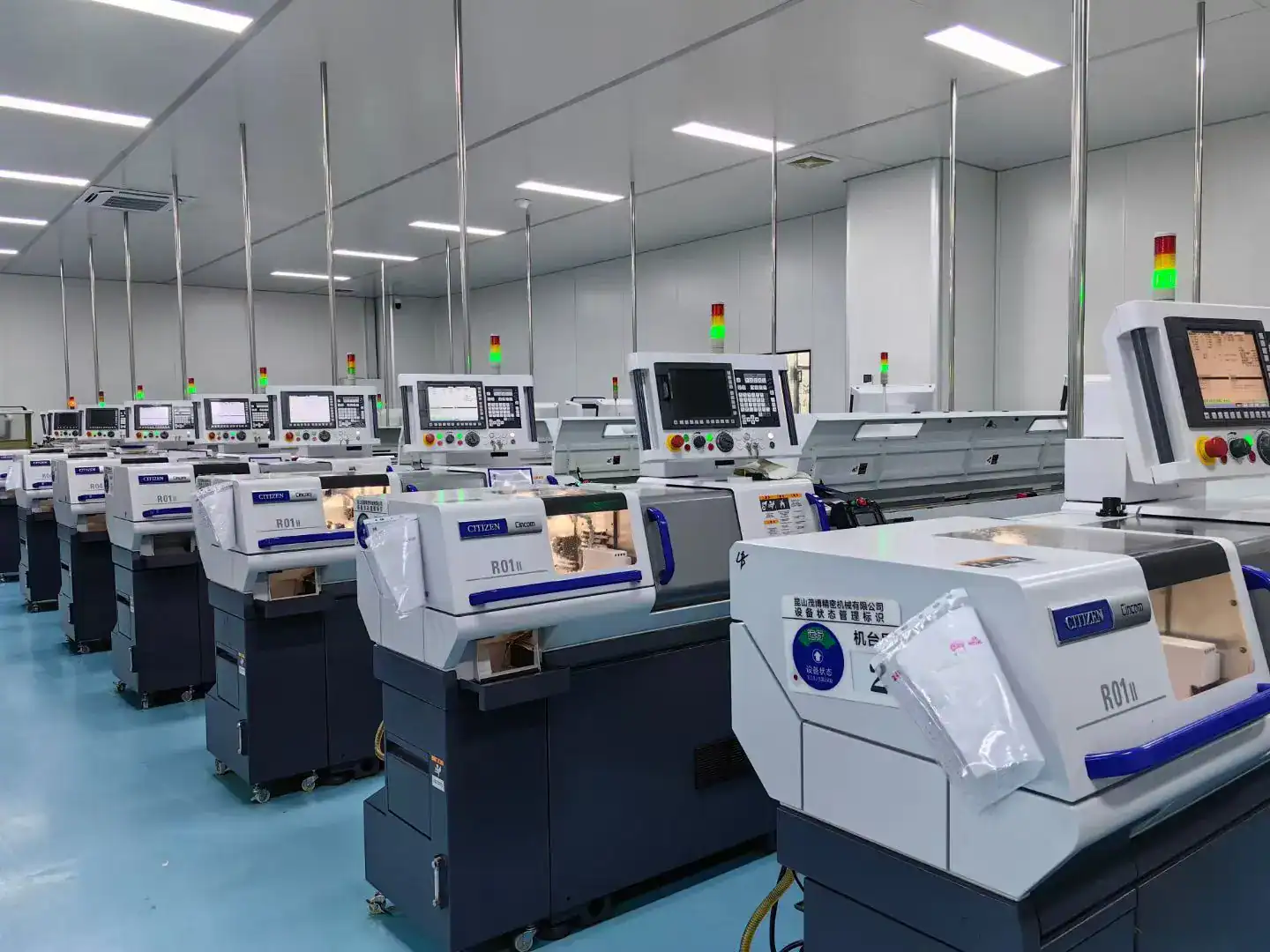
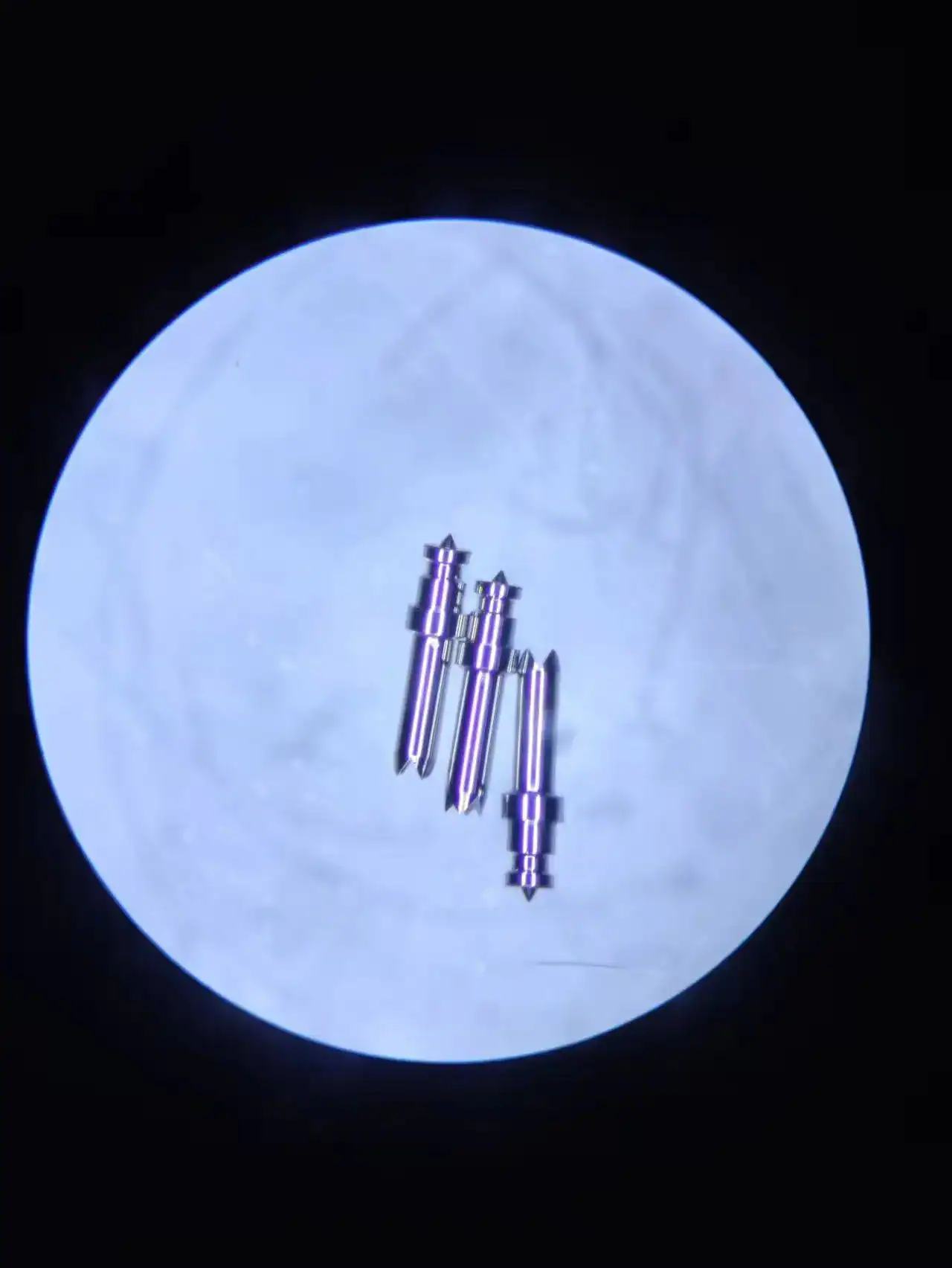
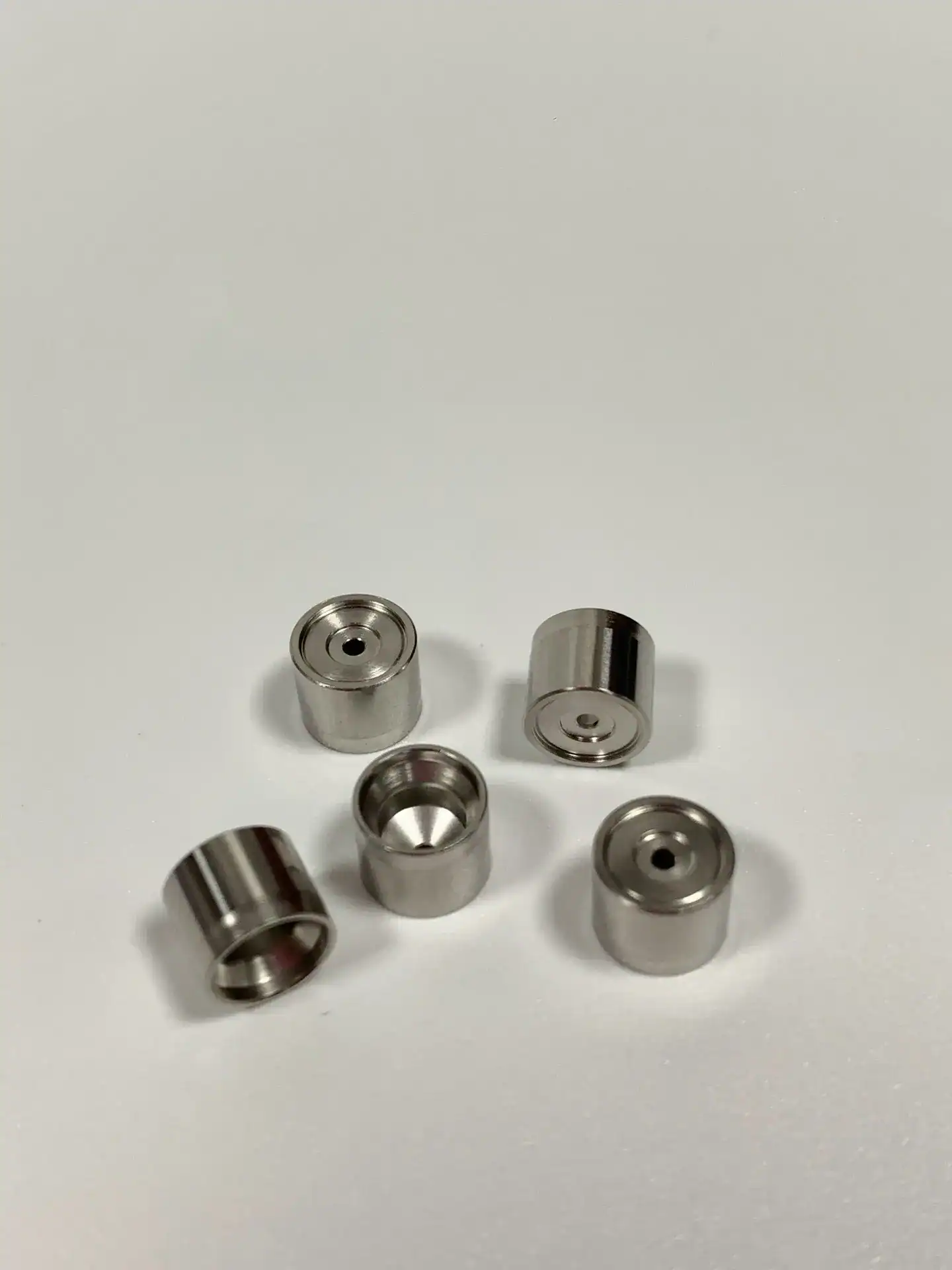
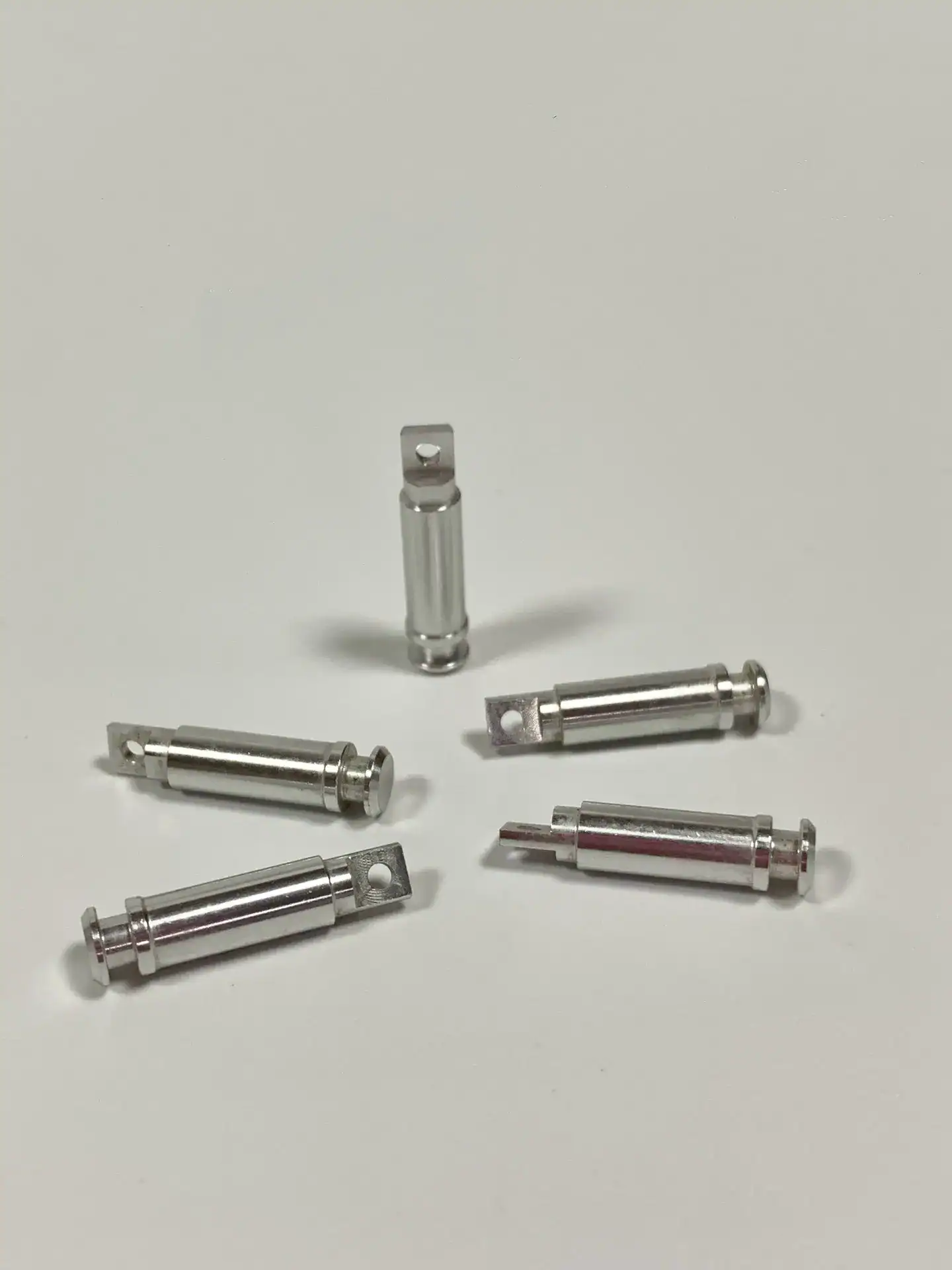
From Swiss-type CNC production to drawing-controlled verification and magnified inspection, 6CNC coordinates machining, handling, quality control, finishing, and worldwide delivery for miniature components.
Supplier fit
Is 6CNC Right for Your Micro Parts?
Our micro CNC machining service is designed for custom, drawing-controlled components where small features, engineering response, flexible capacity, and documented inspection matter.
- One-off prototypes and repeat low-volume batches
- Miniature metal and engineering-plastic components
- Small holes, slots, radii, threads, and thin sections
- Projects with defined CTQ dimensions or GD&T
- Parts requiring machining plus secondary finishing
- International projects needing clear documentation
Quote workflow
From Drawing to Delivered Parts
Send Complete Files
Provide a 3D model and 2D drawing with material, quantity, tolerances, finish, and inspection needs.
Engineering Review
We assess tool access, workholding, burr risk, CTQ features, and measurement feasibility.
Quotation and Production Plan
You receive pricing, lead time, process assumptions, and any technical questions.
Machining and Inspection
Parts are produced under the agreed revision and verified to the specified scope.
Finishing and Delivery
Secondary work, final checks, protective packing, and worldwide shipping are coordinated.
Request a Micro CNC Machining Quote
Send your CAD files and drawing. Tell us which features control fit, motion, sealing, alignment, or performance, and our engineers will review manufacturability, inspection, cost, and lead time.
Buyer questions
Micro CNC Machining Services FAQ
What is micro CNC machining?
Micro CNC machining is subtractive manufacturing focused on miniature components and small features, using tooling, workholding, process control, and inspection selected for micro-scale geometry.
How is micromachining different from conventional CNC machining?
Small tools and parts magnify runout, deflection, burrs, heat, vibration, handling, and measurement uncertainty, so the process must be planned feature by feature.
Is micro machining the same as ultra-precision machining?
No. Micro machining primarily describes small components or features; ultra-precision machining describes exceptionally demanding form accuracy and surface finish. A small part may need both, either one, or neither depending on its function and drawing.
When does 6CNC add precision grinding after CNC machining?
6CNC uses grinding for selected hardened or brittle materials and for features requiring improved flatness, parallelism, roundness, diameter control, or surface finish. Surface, cylindrical, centerless, and micro grinding serve different geometries.
How small can you machine a feature?
Minimum practical size depends on feature type, depth, aspect ratio, material, tolerance, tool access, and quantity. Send the drawing for a geometry-specific review.
What tolerances can you hold on miniature CNC parts?
Suitable features may reach ±0.002 mm under controlled conditions. Achievable tolerance varies by geometry, material, datum strategy, thermal condition, and inspection method.
Can 6CNC machine both metal and plastic micro parts?
Yes. 6CNC machines aluminum, stainless steel, titanium, brass, copper alloys, POM, PEEK, PTFE, nylon, and Ultem. We also evaluate selected grinding routes for hardened steel, carbide, technical ceramics, quartz, or glass after feasibility review.
What files should I send for a quote?
Send a STEP or other common 3D CAD file plus a PDF drawing with material, quantity, finish, tolerances, GD&T, edge requirements, and inspection reporting needs.