
Sliding-headstock precision turning
Swiss CNC Machining Services for Small, Complex Parts
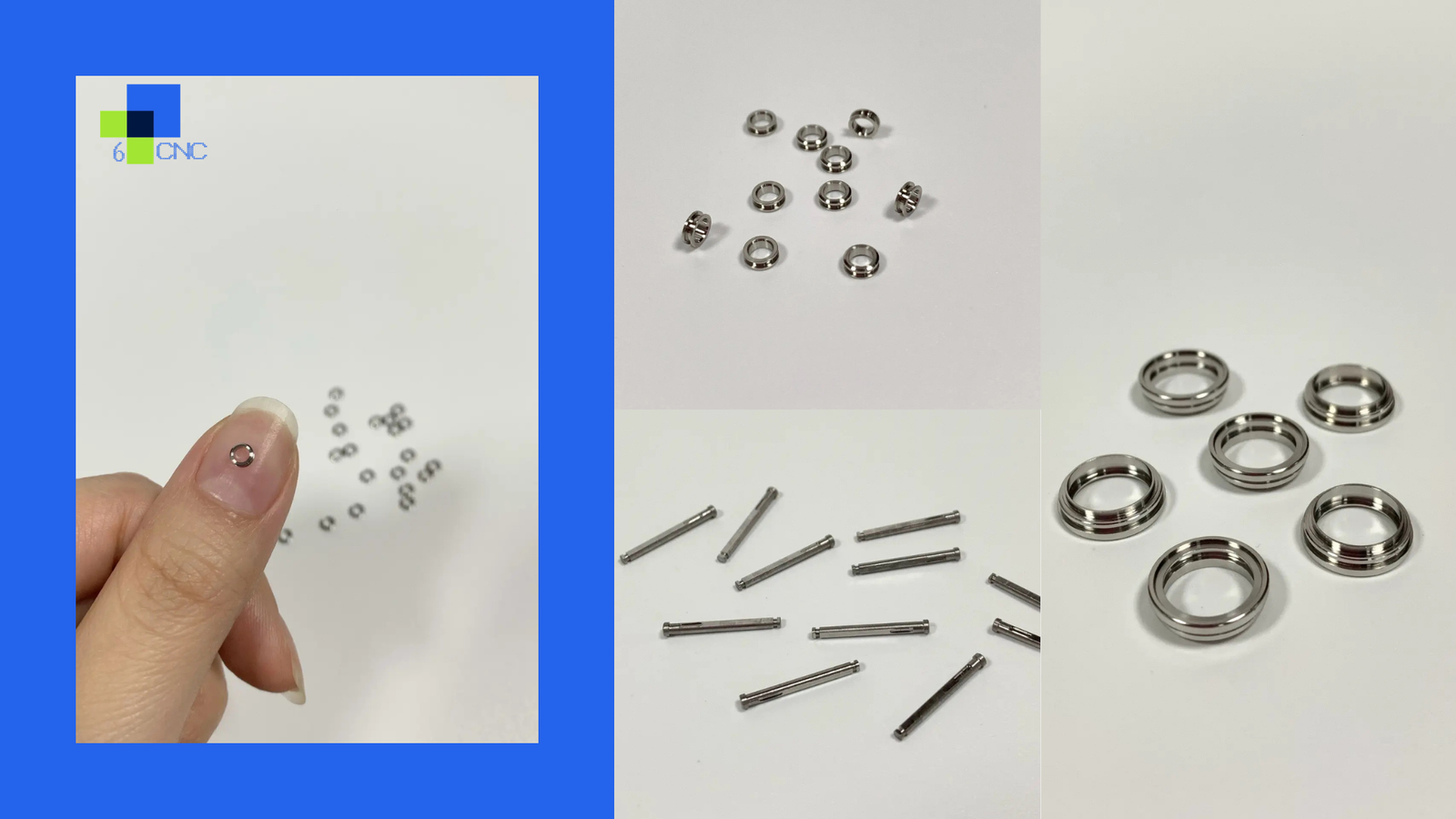
6CNC provides CNC Swiss turning and Swiss screw machining for small-diameter components, slender shafts, intricate turned features, and parts that benefit from completing multiple operations in one controlled cycle.
Guide-bushing support for slender and high length-to-diameter parts
Turning, drilling, threading, grooving, and live-tool milling coordination
Drawing-based DFM, production, inspection, finishing, and delivery
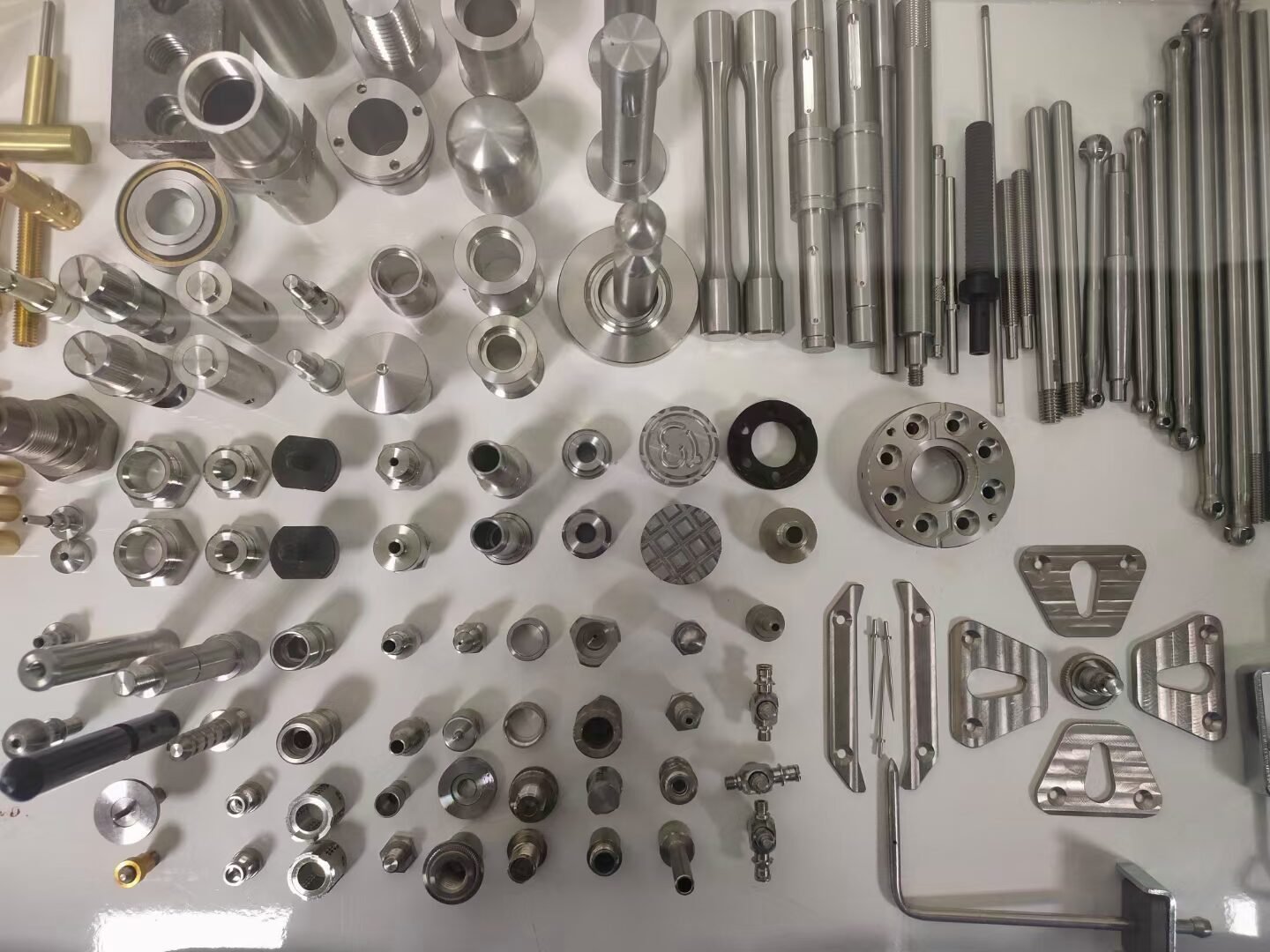
Swiss machining selection at a glance
Best geometry
Small-diameter, long, slender, and feature-dense turned components.
Process advantage
The guide bushing supports material close to the cutting zone.
Best production fit
Repeat parts where setup investment is justified by cycle integration.
Process fit
When Should You Choose Swiss CNC Machining?
Swiss-type machining is designed around a sliding headstock that feeds bar stock through a guide bushing. Because the material is supported close to the cutting tool, it is a practical route for small diameter parts machining and can reduce deflection on slender features.
- The part begins as bar stock and has a predominantly rotational form.
- Length-to-diameter ratio makes workpiece support important.
- Cross holes, flats, slots, threads, or backside features increase setup risk.
- Repeat volume can justify specialized programming, tooling, and bar setup.
How the process works
Guide-Bushing Support and Multi-Operation Machining
Modern Swiss CNC machining centers coordinate material feeding, spindle motion, cutting tools, and part transfer. Actual capability depends on the selected machine configuration and the complete drawing.
01
Sliding Headstock
Bar stock advances through the guide bushing while the headstock provides precise axial feed into the cutting zone.
02
Close Tool Support
The guide bushing supports the material near the tool, helping control vibration and bending on slender geometry.
03
Integrated Operations
Main and sub-spindles with live tooling may combine turning, drilling, milling, threading, and backside work in one cycle.
Capability planning
Swiss Screw Machining Capability by Requirement
Final capability is confirmed from the model and controlled drawing because stock size, length, guide-bushing compatibility, feature access, tool clearance, material, tolerance, and volume all affect the process plan.
| Requirement | Typical Swiss machining approach | Project-specific review |
|---|---|---|
| Part geometry | Small-diameter turned parts, slender shafts, pins, screws, sleeves, and feature-dense components | Stock diameter, unsupported length, runout, and cutoff strategy are reviewed together |
| Operations | Turning, facing, grooving, drilling, boring, reaming, threading, and cutoff | Live-tool milling, cross holes, flats, slots, and backside features depend on machine configuration |
| Production range | Repeat prototypes, bridge quantities, and production batches | Economic fit depends on setup, tooling, bar preparation, cycle time, and order continuity |
| Tolerance | Drawing-based allocation by feature and datum relationship | Feature size, material, tool reach, thermal stability, and measurement method are reviewed |
| Inspection | First-article, in-process, and final dimensional checks | Optical, CMM, surface, thread, and additional records according to requirements |
| File inputs | 3D model plus controlled 2D drawing | Include material, quantity, finish, tolerances, datums, critical features, and acceptance criteria |
Capability note: Swiss machining is not automatically the lowest-cost choice for every small turned part. Setup effort, guide-bushing requirements, tooling, complexity, and repeat volume must be evaluated together.
Precision part applications
Precision Swiss Machined Parts We Can Review
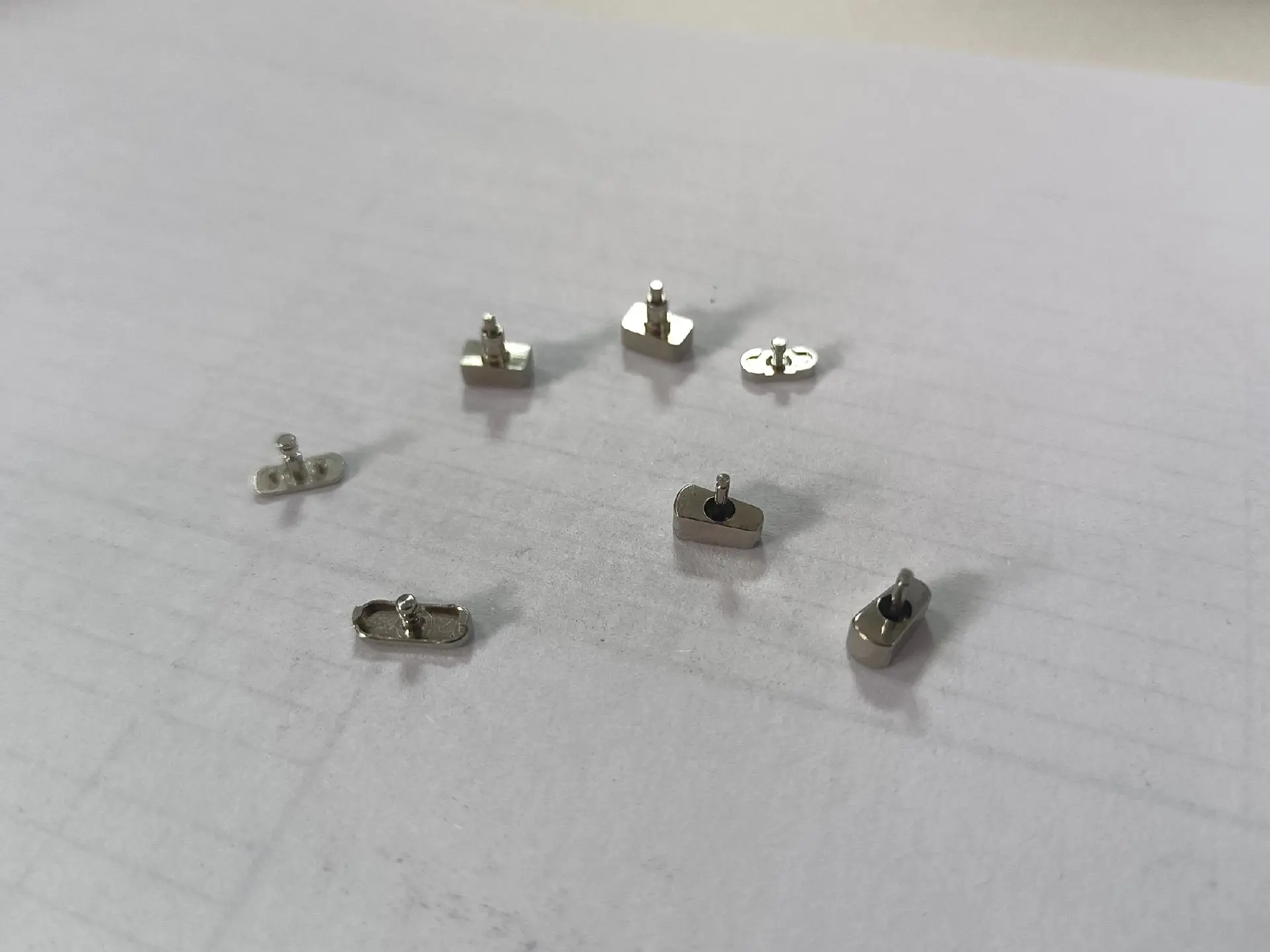
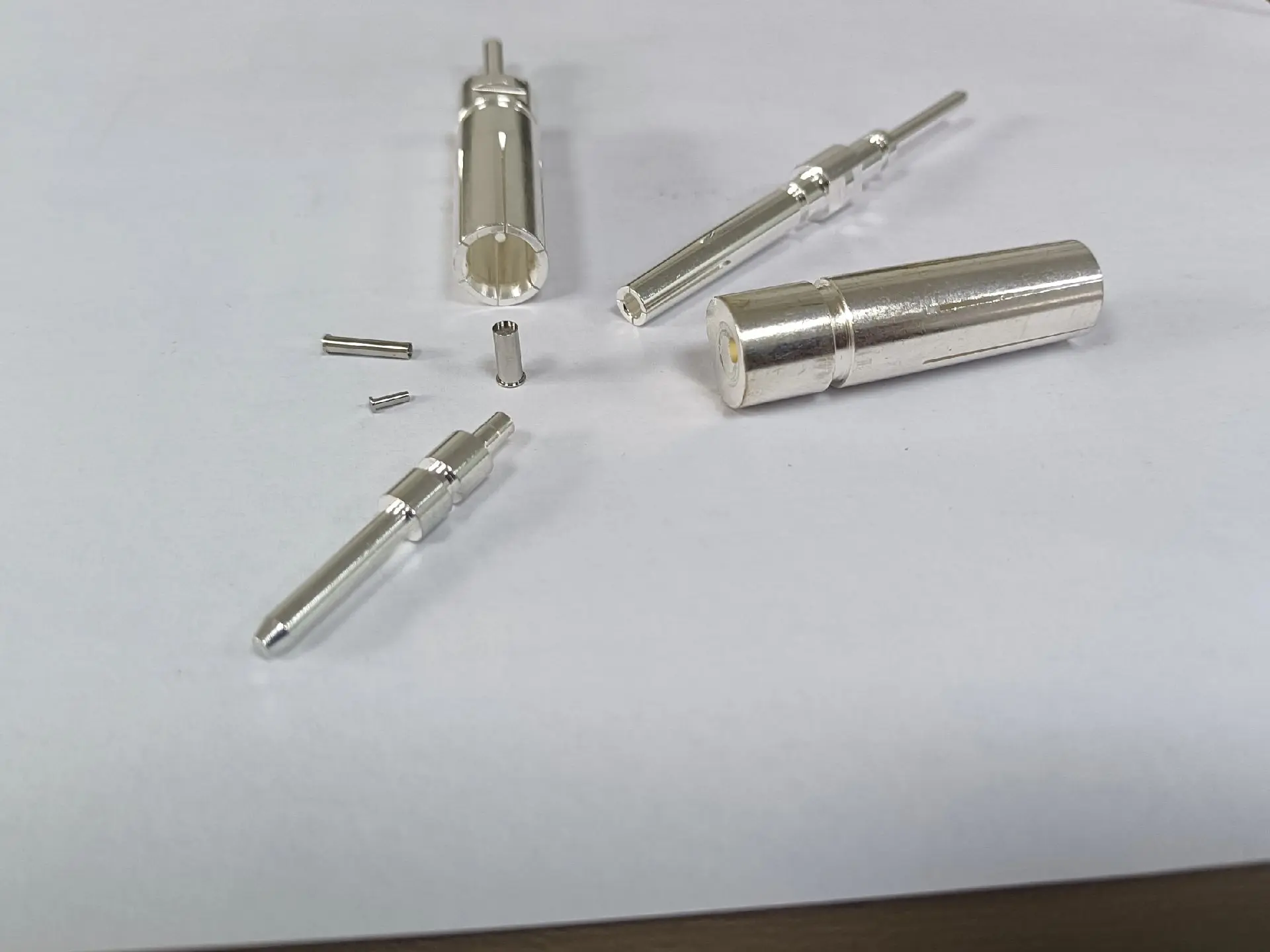
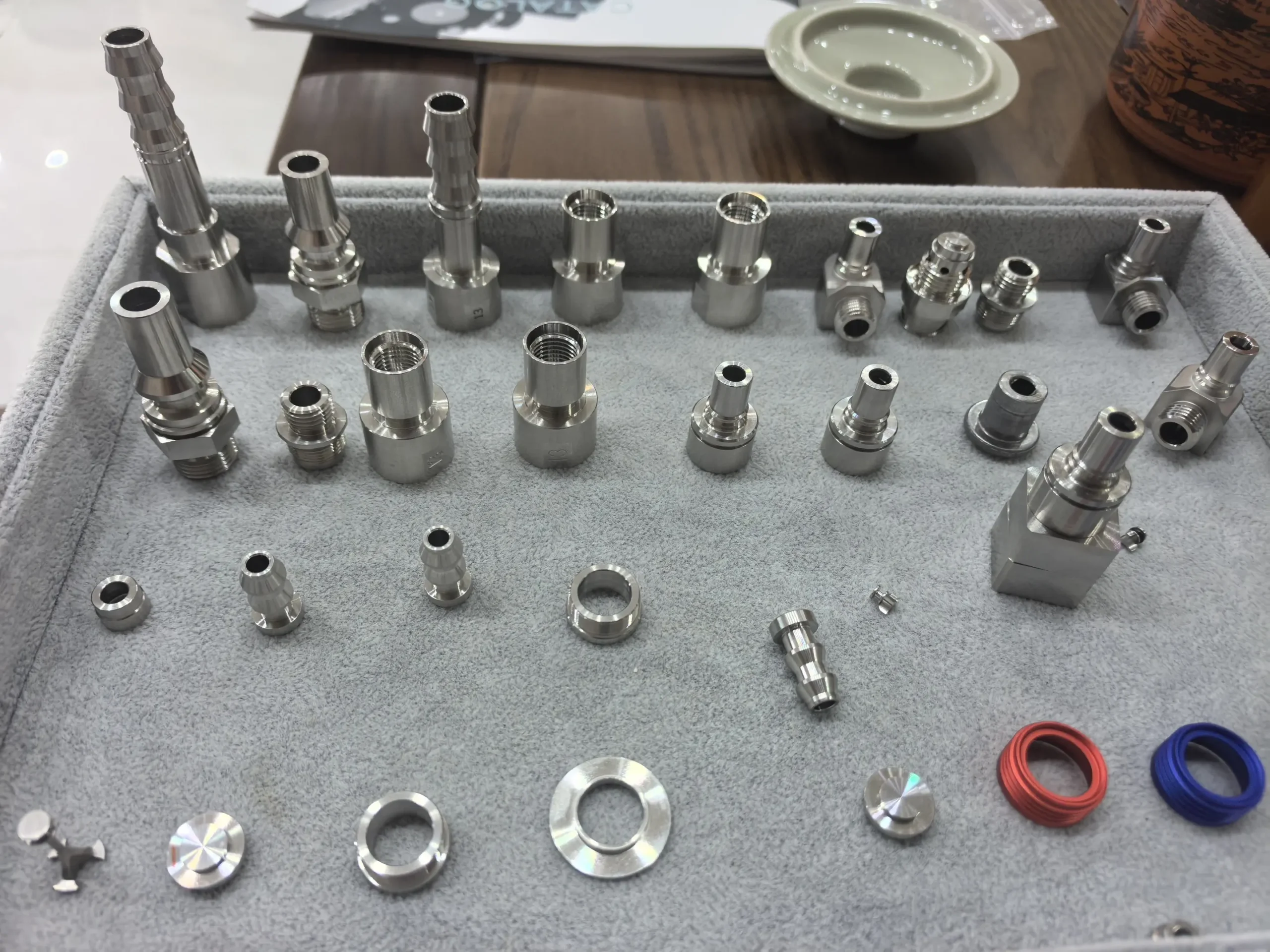
Swiss turning is a strong candidate when a component combines small diameter, slender geometry, close feature relationships, and multiple operations that would otherwise require several transfers.
01
Pins and Precision Shafts
Locating pins, actuator shafts, miniature axles, dowels, and slender rotating components.
02
Fasteners and Threaded Parts
Custom screws, studs, threaded inserts, standoffs, and special fastening components.
03
Sleeves and Bushings
Thin-wall sleeves, spacers, ferrules, bushings, and concentric cylindrical components.
04
Connectors and Contacts
Electrical contacts, connector bodies, terminals, sensor components, and precision fittings.
05
Medical and Instrument Parts
Small precision components reviewed according to the supplied drawing, material, documentation, and acceptance needs.
06
Fluid-Control Components
Nozzles, needles, valve stems, seats, fittings, and parts with small passages or sealing features.
Inside 6CNC
Production Support for Small-Diameter Precision Parts
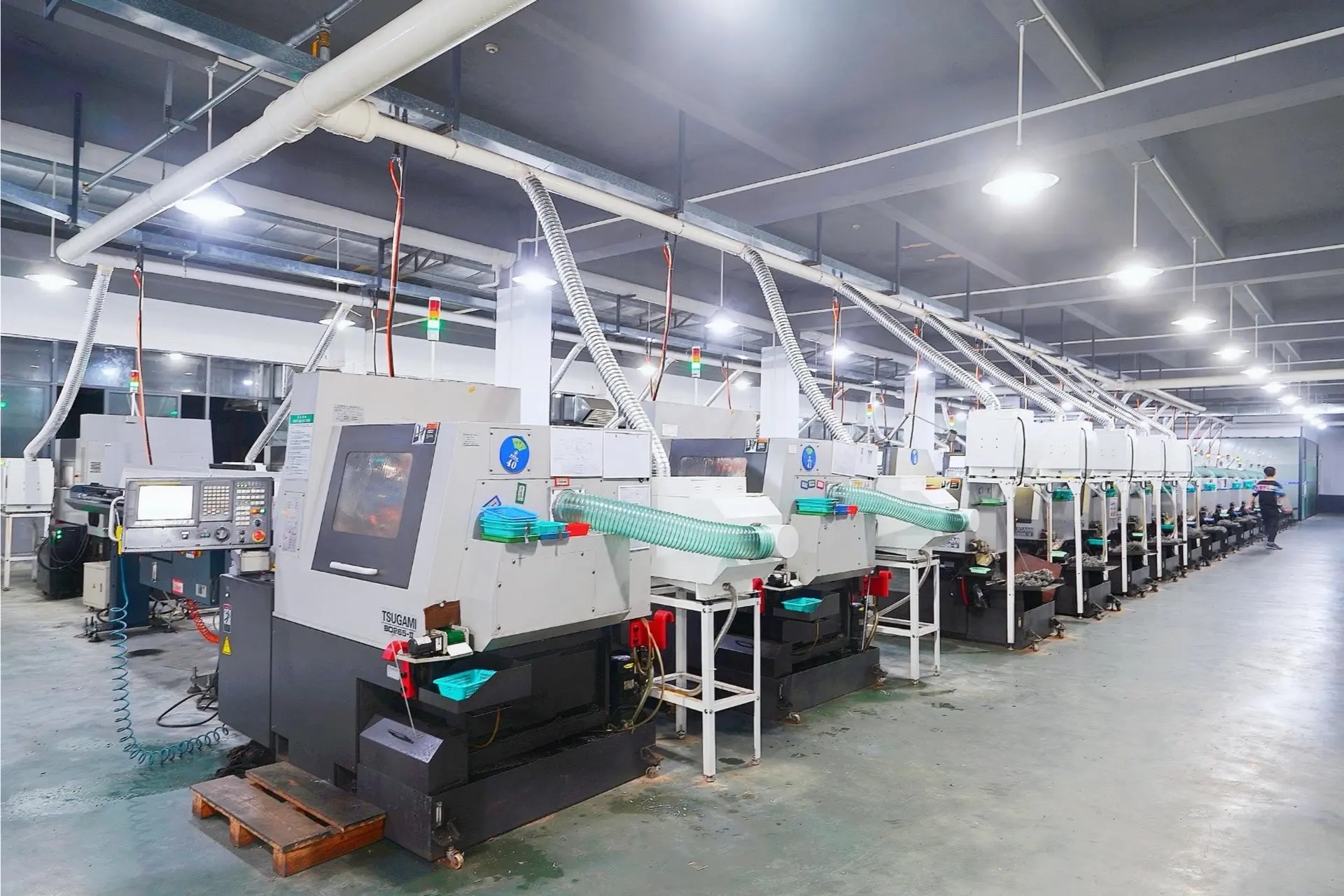
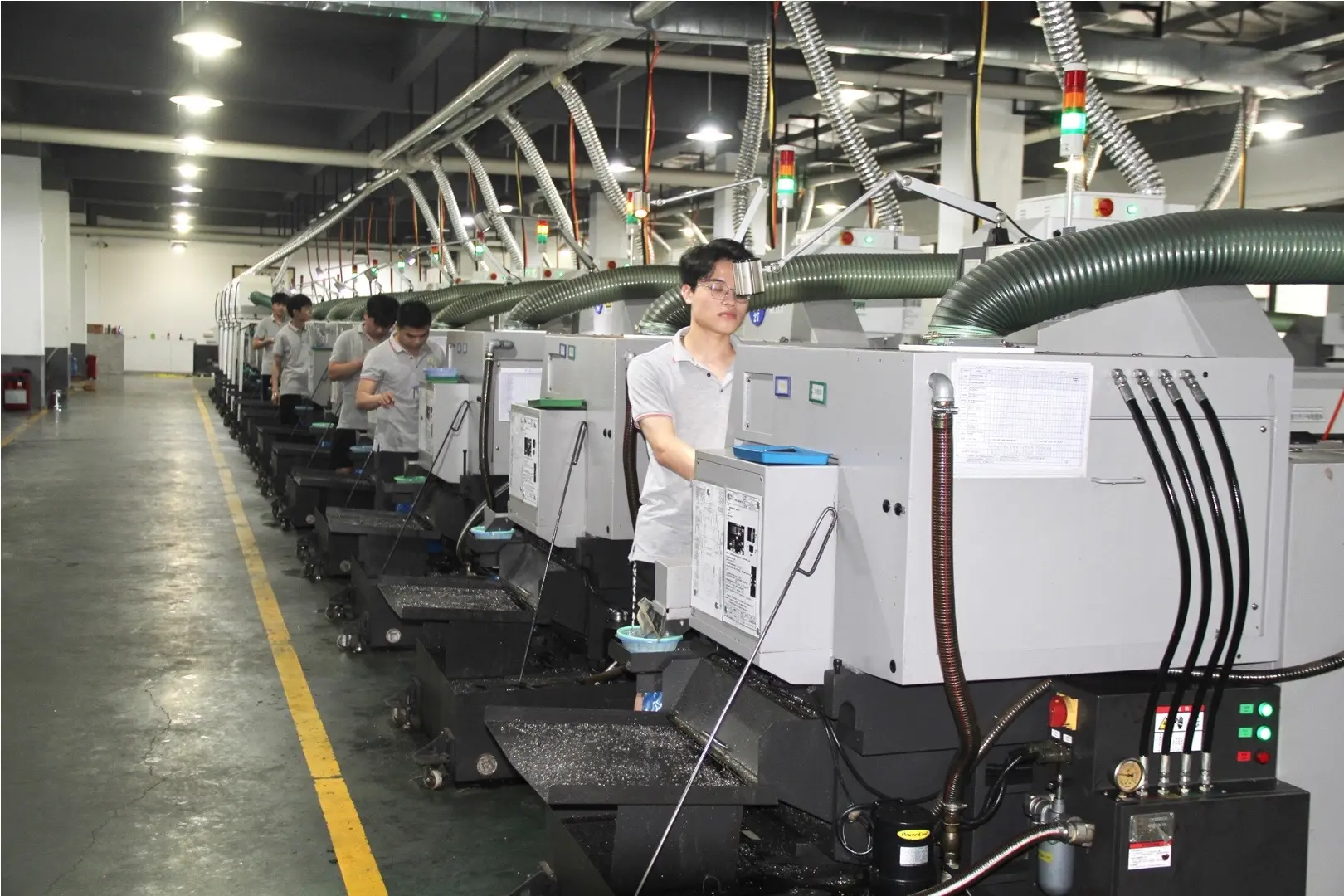
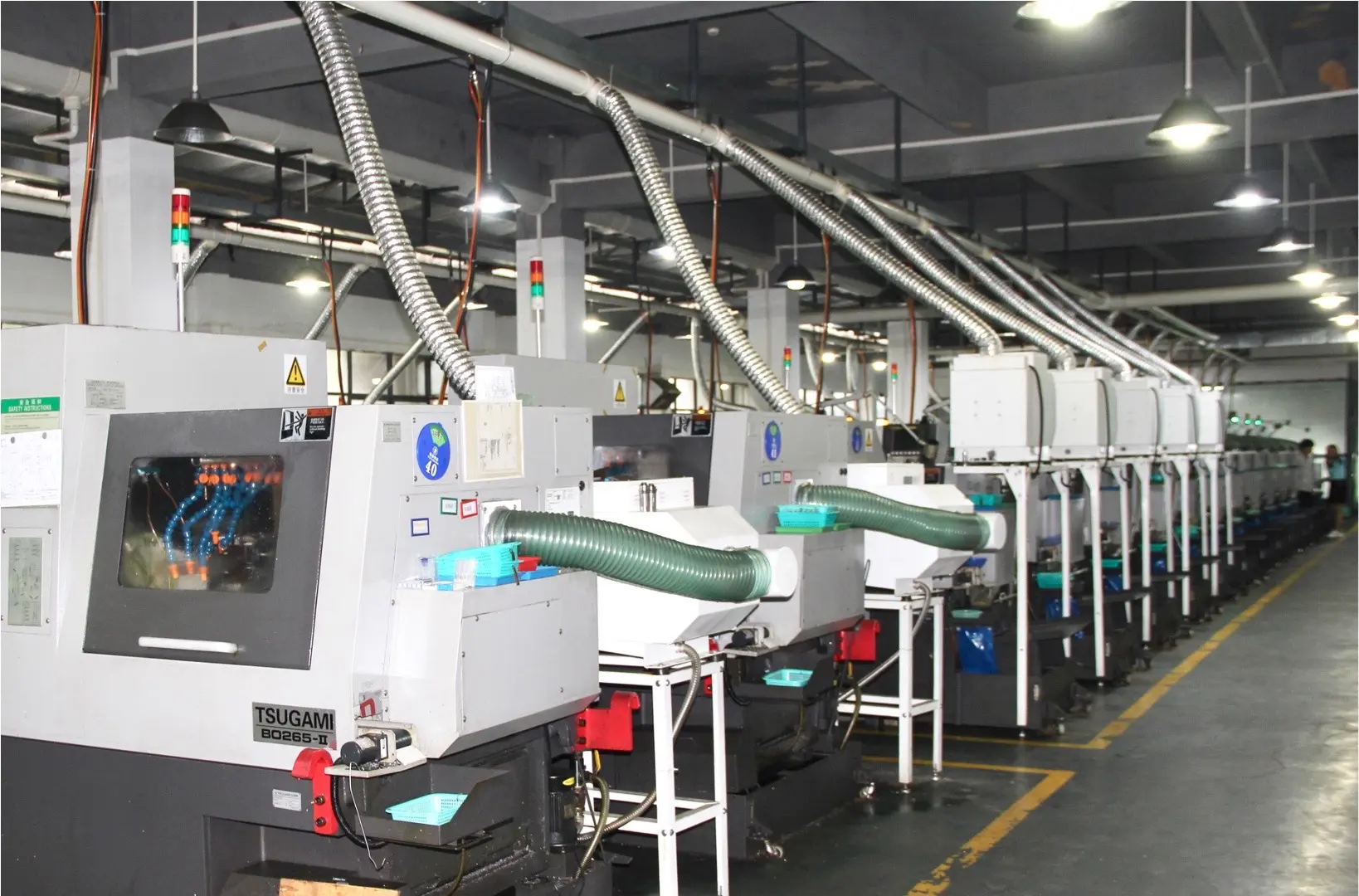
6CNC operates a precision manufacturing facility with more than 140 CNC machines. Our coordinated resources support process selection, machining, inspection, finishing, and delivery for custom Swiss-turned and other precision components.
Engineering review begins with the part—not the machine label—so we can compare Swiss turning, conventional CNC turning, mill-turn, and secondary machining before selecting the route.
Materials and finishes
Materials for CNC Swiss Turning
Material selection influences chip control, guide-bushing behavior, heat, tool wear, burr formation, dimensional stability, and surface finish. Confirm exact grade, condition, certification, and finish in the RFQ.
Material group
Stainless steel
Common options for review
303, 304, 316, 416 and specified precipitation-hardening grades
Finishing examples
Passivation, polishing, electropolishing, plating
Steel and tool steel
Common options for review
1018, 1045, 4140 and drawing-specified grades
Finishing examples
Black oxide, plating, heat treatment, grinding, coating
Brass and copper
Common options for review
C36000 and other specified free-machining or conductive grades
Finishing examples
As machined, polishing, nickel or tin plating
Aluminum
Common options for review
6061, 6063, 7075 and other specified grades
Finishing examples
As machined, anodizing, conversion coating, plating
Titanium and specialty alloys
Common options for review
Drawing-specified grades reviewed for tooling, heat, and chip control
Finishing examples
As machined, passivation, polishing, project-specific finishing
Engineering plastics
Common options for review
POM, PEEK, PTFE, nylon and other bar-stock plastics
Finishing examples
As machined and material-compatible post-processing
Quality and inspection
Plan Measurement Around Small Features and Batch Consistency
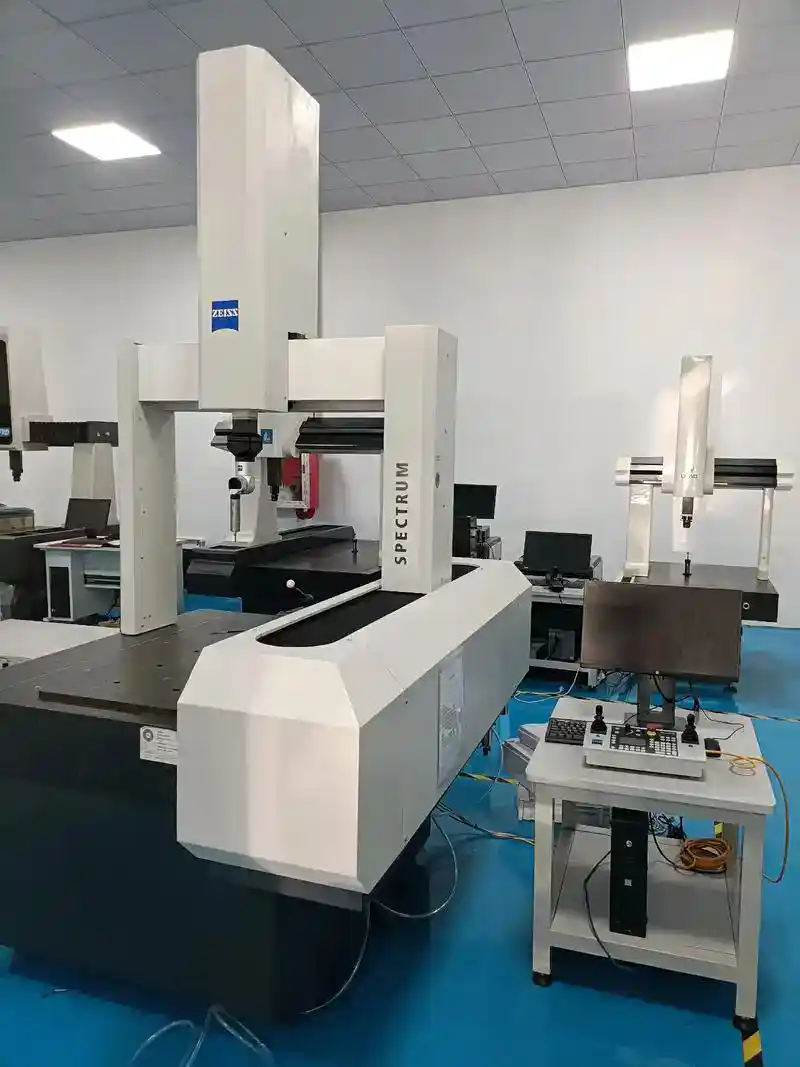
Quality planning begins before cutting. We review how each feature is established, which operations occur on the main or sub-spindle, how cutoff and backside work affect the datum chain, and which measurement method can reliably verify the result.
- Drawing, revision, and critical-feature review
- First-article approval before continuing the batch
- In-process monitoring for drift, tool wear, and burr condition
- Final dimensional and visual inspection
- Thread, optical, CMM, and surface measurement when appropriate
- Material and inspection documentation by project requirement
Learn more about 6CNC quality assurance.
Process comparison
Swiss CNC Turning vs. Conventional CNC Turning
| Decision factor | Swiss CNC machining | Conventional CNC turning |
|---|---|---|
| Workpiece support | Guide bushing supports bar stock close to the cutting zone | Workpiece is primarily supported by the chuck or collet |
| Best geometry | Small-diameter, slender, intricate, and repeat turned parts | Broader diameter range and many conventional rotational components |
| Operation integration | May coordinate main/sub-spindles and live tooling in one cycle | May require transfer or secondary operations depending on machine configuration |
| Economic fit | Strong when complexity and repeat volume justify specialized setup | Often more economical for simple parts, larger diameters, or limited quantities |
Project workflow
From Bar-Stock Review to Delivered Parts
01 · Review
Upload Files
Send the model, drawing, material, quantity, finish, destination, and required date.
02 · Plan
DFM and Quote
We review Swiss process fit, bar stock, tooling, operations, tolerance, and inspection.
03 · Make
Machine and Inspect
Parts are produced with agreed first-article, in-process, and final verification.
04 · Deliver
Finish and Ship
Finishing, documentation, packaging, and delivery are coordinated to the project.
Common questions
Swiss CNC Machining FAQ
What is Swiss CNC machining?
It is a CNC turning process in which a sliding headstock feeds bar stock through a guide bushing. The workpiece is supported close to the cutting zone, which is useful for small-diameter and slender components.
What is Swiss screw machining?
The term commonly refers to Swiss-type production of precision screws and other small turned parts. Modern machines may combine turning, drilling, threading, milling, and backside operations rather than producing screws alone.
Which parts are best suited to Swiss machining?
Strong candidates include pins, shafts, screws, bushings, sleeves, connectors, contacts, nozzles, valve components, and other small precision parts with high length-to-diameter ratios or multiple features.
Is Swiss machining suitable for prototypes?
It can be, especially when prototype geometry requires Swiss-type support or when the prototype is intended to validate a repeat production process. For simple one-off turned parts, conventional turning may be more economical.
Which files should I send for a quotation?
Send the 3D model and controlled 2D drawing with material, quantity, finish, tolerances, datums, thread details, inspection needs, destination, and required date.
Start your project
Get a Project-Specific Swiss Machining Review
Upload your CAD files and drawing. 6CNC will compare Swiss turning with other CNC routes, then confirm process fit, tooling, tolerance, inspection, finishing, quantity, and delivery requirements.