
INDUSTRY SOLUTIONS
Maritime CNC Machining for Custom Boat Parts
Maritime CNC machining is the process of manufacturing high-precision components used in marine and vessel equipment, including marine fluid-handling systems, renewable marine and vessel equipment, and vessel systems infrastructure. At 6CNC, we provide on-demand CNC machining for marine and vessel equipment parts, helping you achieve tight tolerances, durable performance, and consistent quality from prototype to production.
One-stop solution (machining + finishing)
Fast turnaround & reliable delivery
Competitive pricing for low-volume production
Trusted by
industry leaders










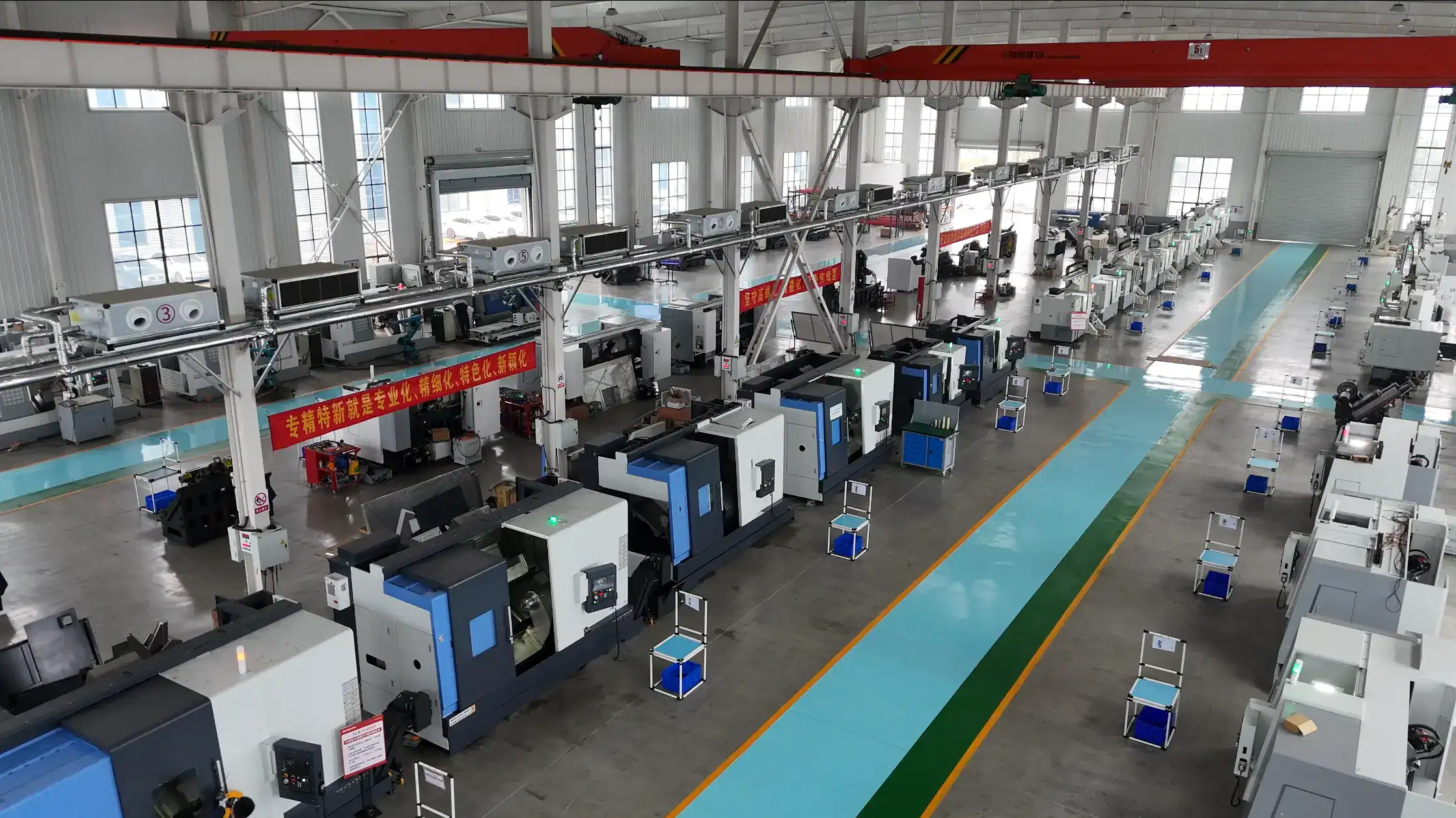
10+ Years
of CNC Machining Expertise
50,000+
Precision Parts Delivered
140+
Advanced CNC Machines
10,000+
Satisfied Clients Worldwide
Precision CNC Machining for Maritime Sector
Marine and vessel equipment operates in demanding environments such as saltwater, moisture, vibration, cyclic loading, and corrosive conditions.
Precision CNC machining for the maritime sector focuses on:
- maintaining dimensional accuracy under extreme conditions
- ensuring durability and long service life
- supporting reliable performance in critical systems
- delivering consistency across production batches
Unlike general industrial parts, maritime components must perform reliably over long periods with minimal failure risk.
Even small deviations can lead to leakage, system inefficiency, or safety issues.
CNC machining is widely used because it provides the control and repeatability needed for high-performance marine applications.
Custom Boat and Maritime Parts We Machine
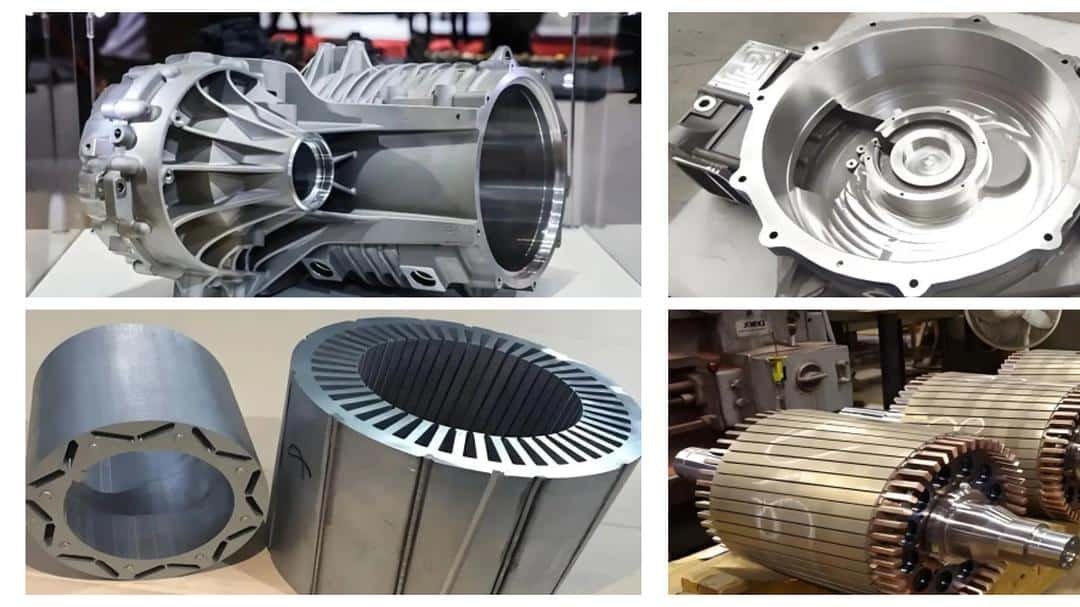
We manufacture a wide range of CNC machined components used in different marine applications.
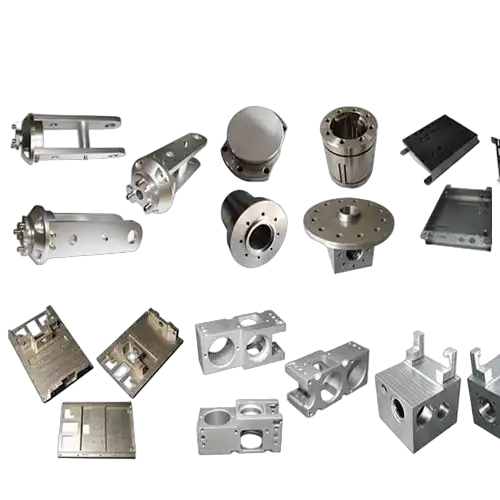
Typical maritime CNC parts include:
- valve bodies and fluid control components
- pump housings and internal parts
- flanges, fittings, and connectors
- turbine and vessel systems components
- marine fluid-handling equipment parts
- renewable maritime system components (wind, solar)
- heat exchanger components
- structural and support parts
- custom fixtures and tooling
These parts require precision, durability, and consistent performance in harsh environments.
We produce custom marine and vessel equipment parts based on your drawings and specifications, not standard products.
Maritime CNC Machining Capabilities
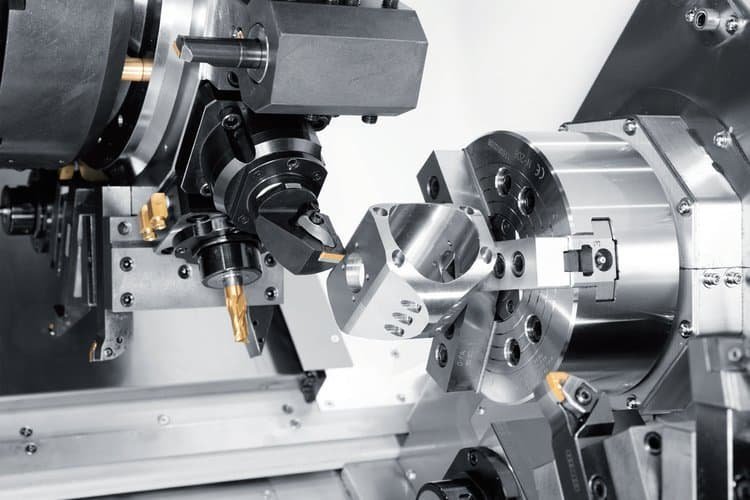
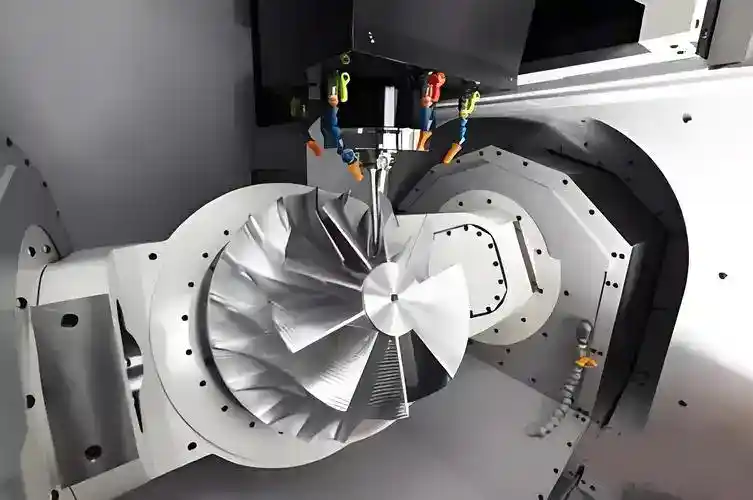
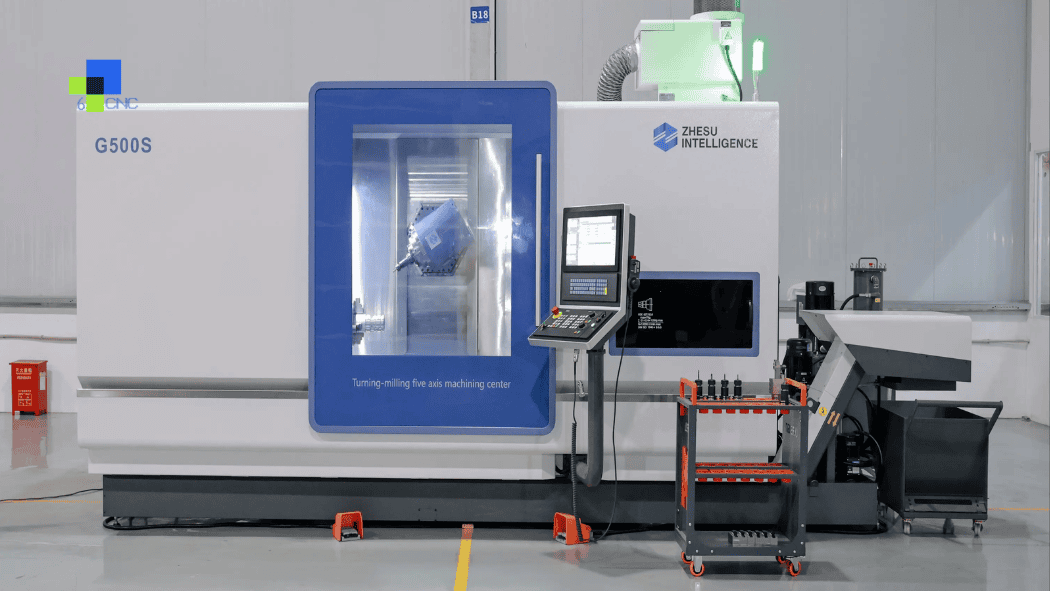
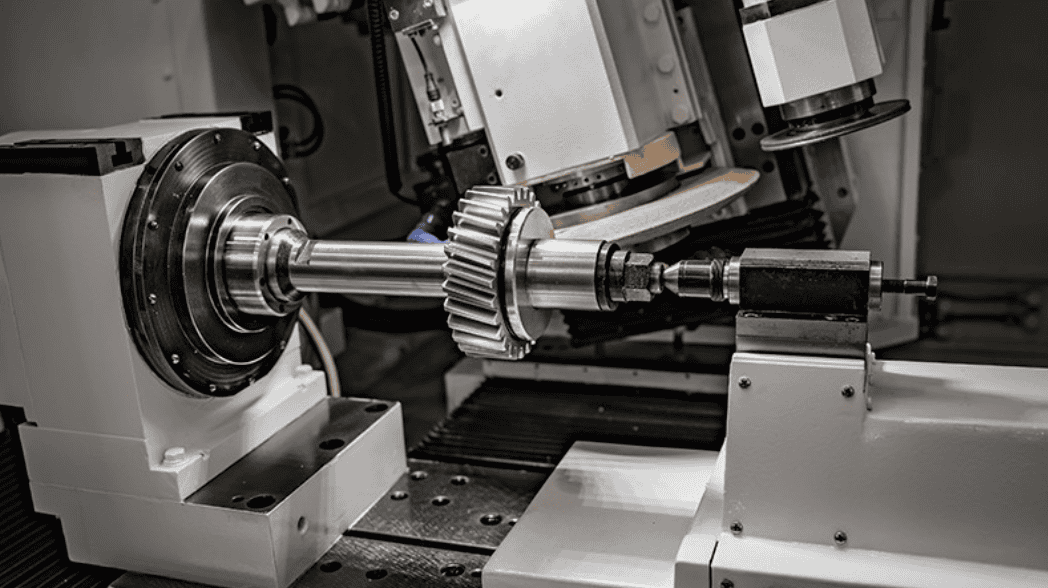
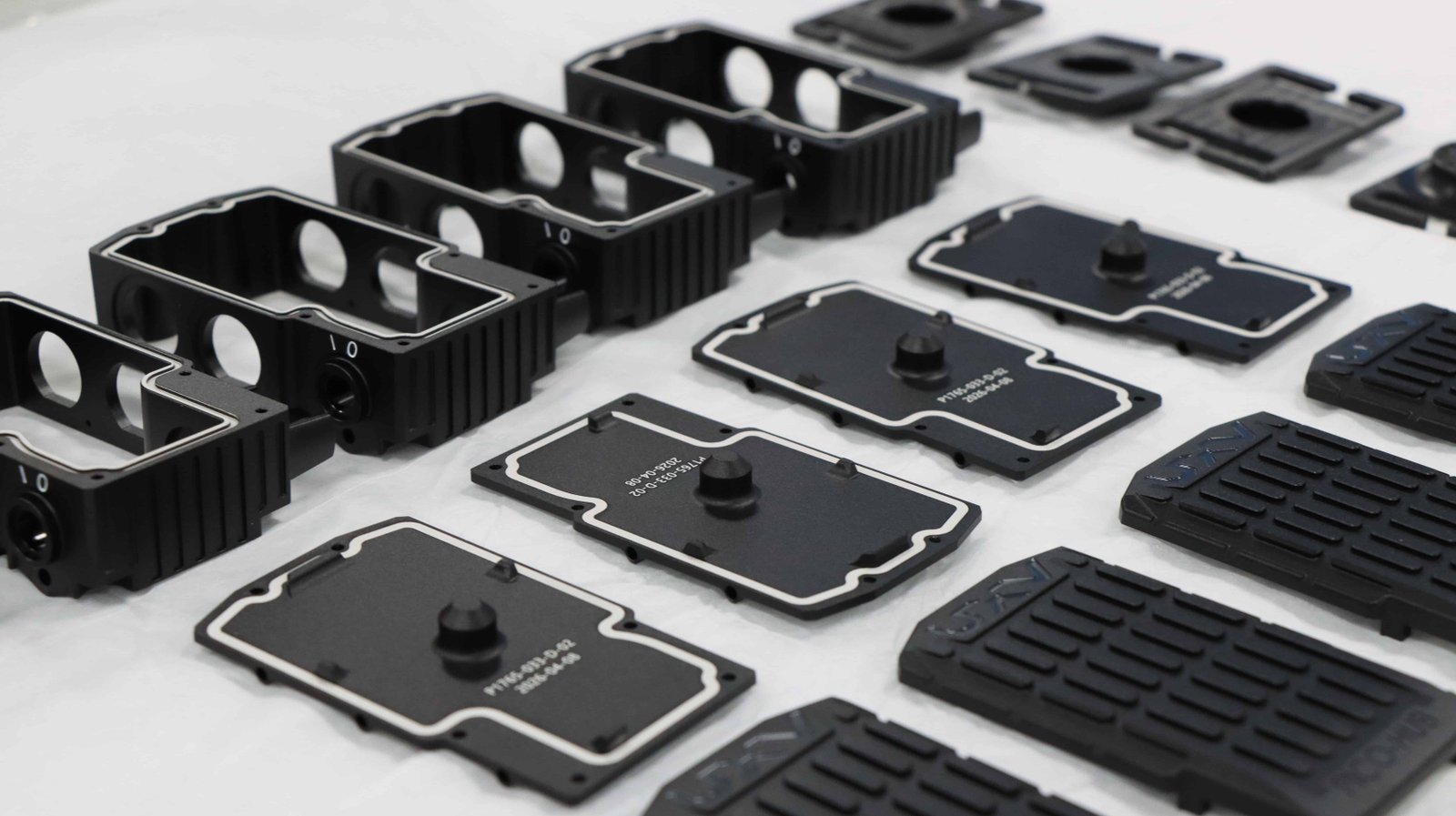
Maritime components vary from small precision parts to large structural components.
The machining process must support both accuracy and durability.
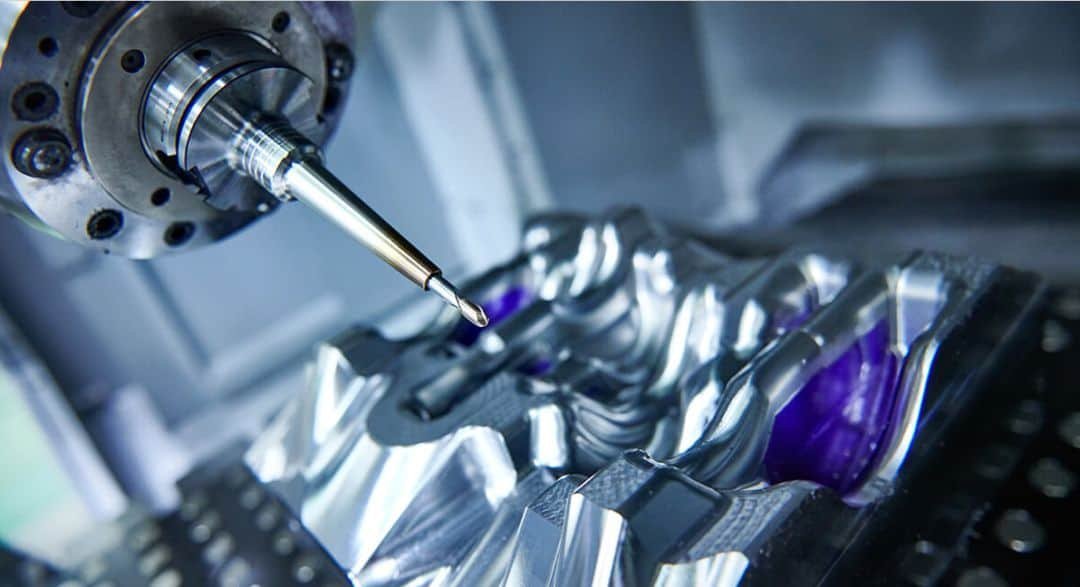
Complementary Processes
Wire EDM, surface finishing, and other secondary processes are available when required.
Materials for Maritime Components
Maritime parts operate under extreme conditions—heat, vibration, friction, corrosion, and load cycles. The wrong material doesn’t just fail—it can trigger system-level issues.
At 6CNC, we evaluate materials based on:
- Mechanical strength & fatigue resistance
- Thermal stability
- Wear and friction behavior
- Corrosion resistance
- Machinability & cost efficiency
- Common metals
| Aluminum | Carbon Steel and Alloy Steel | Stainless Steel | Copper and Brass Alloys |
|---|---|---|---|
| Typical Grades: 6061, 7075, 2024 Why it’s used: Lightweight → improves fuel efficiency Good strength-to-weight ratio Excellent machinability → faster production Corrosion resistant Typical applications: Engine housings Transmission casings Brackets and structural supports | Typical Grades: 1018, 1045, 4140, 4340 Why it’s used: Very high strength and toughness Good fatigue resistance Can be heat treated for enhanced properties Typical applications: Gears Drive shafts Suspension components | Typical Grades: 304, 316, 420 Why it’s used: High strength and durability Excellent corrosion resistance Suitable for harsh environments Typical applications: Exhaust components Shafts and fasteners Fuel system parts | Excellent electrical conductivity Good corrosion resistance Applications: Connectors Electrical terminals |
Common plastics
POM (Acetal), Nylon (PA), PEEK
Why they’re used:
- Lightweight and cost-effective
- Good wear resistance
- Low friction
- Electrically insulating
Typical applications:
- Bushings
- Gears
- Interior functional components
Why Precision CNC Machining Matters in Maritime Industry
Maritime systems require reliable and durable components.
Reliability
Precision components reduce the risk of failure in critical systems.
Leak prevention
Accurate machining ensures proper sealing in valves and fittings.
Long service life
Correct material and machining processes improve durability.
Efficiency
Precise components improve system performance and maritime efficiency.
Maritime components require both precision and repeatability.
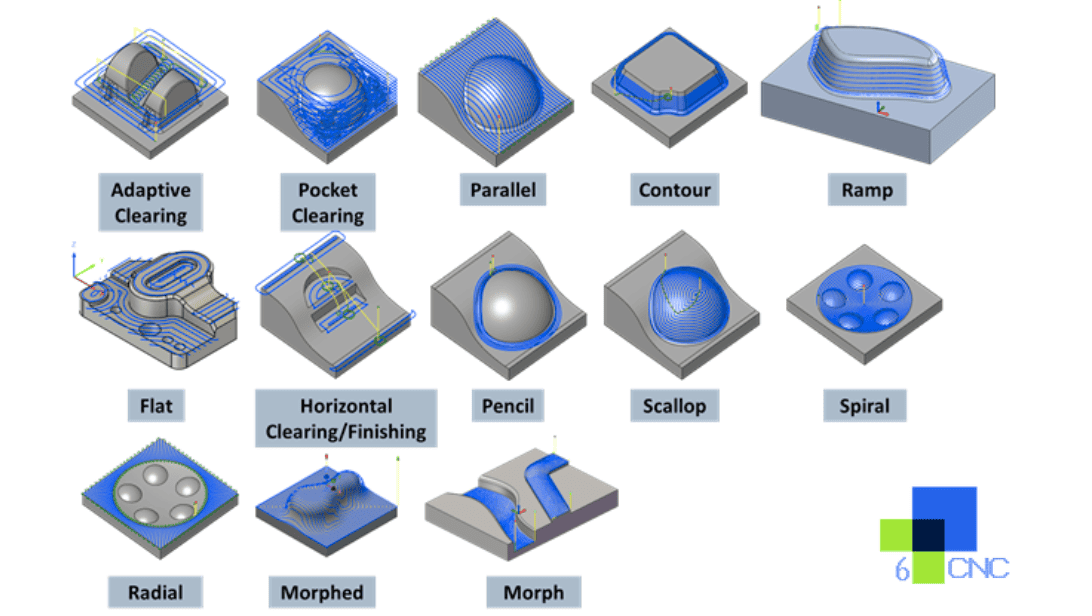
Tolerance requirements vary depending on application, but consistency across batches is essential.
At 6CNC, we ensure this through:
- process optimization based on part geometry
- fixture design for repeatability
- in-process inspection
- final dimensional verification
- batch consistency control
The goal is to deliver reliable parts that perform consistently in real-world conditions.
Our Maritime CNC Machining Support
We support precision CNC machining for marine and vessel equipment parts with stable processes and controlled quality.
Core capability:
- CNC machining tolerance: drawing-specific tolerances reviewed by feature and inspection method
- Surface finish: Ra 0.8 – 3.2 μm
- Part size range: small precision parts to large components
- Batch repeatability: stable across 1–50,000+ pcs
- Typical lead time: 5–15 days for prototypes
Materials capability:
- Carbon steel, alloy steel, stainless steel
- Aluminum and titanium
- Engineering plastics (PEEK, PTFE, POM)
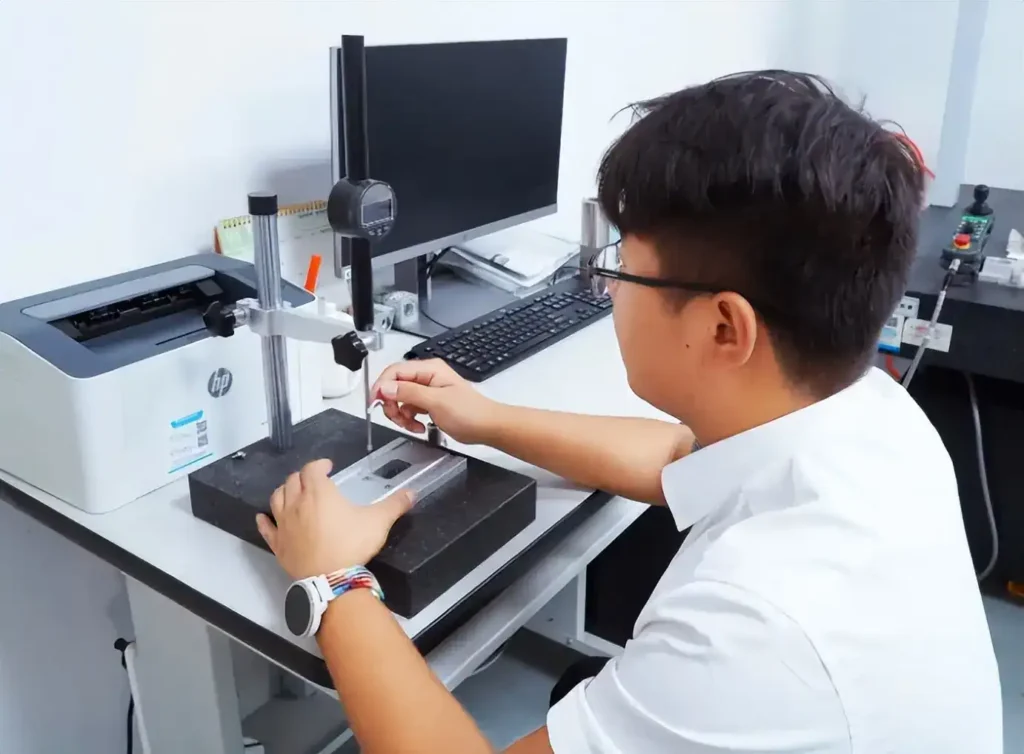
Inspection capability:
- CMM dimensional inspection
- critical feature verification
- surface quality inspection
Design Considerations for Maritime Components
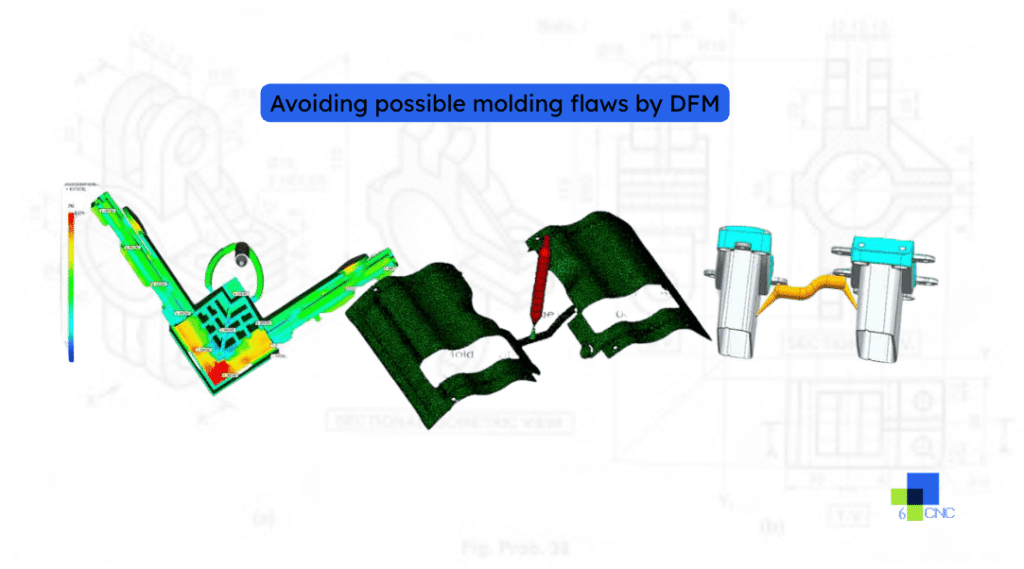
Design plays a key role in performance and manufacturability.
Apply tolerances based on function
Avoid unnecessary tight tolerances that increase cost.
Consider environmental conditions
Temperature, pressure, and corrosion affect material choice.
Simplify geometry
Reduces machining complexity and improves consistency.
Ensure proper sealing surfaces
Critical for fluid and gas systems.
Design for inspection
Key features must be measurable to ensure quality.
Avoid unnecessary tight tolerances that increase cost.
Temperature, pressure, and corrosion affect material choice.
Reduces machining complexity and improves consistency.
Critical for fluid and gas systems.
Key features must be measurable to ensure quality.
How We Reduce Risk in Maritime CNC Machining
Maritime components often operate in high-risk environments.
We focus on reducing manufacturing risks before they impact performance.
Process control
We define machining strategies based on material and application requirements.
Surface and sealing control
We ensure critical surfaces meet functional requirements to prevent leakage.
Material verification
We select materials based on environmental and mechanical demands.
Consistency across batches
We maintain repeatable processes to ensure stable production quality.
Why Choose 6CNC for Maritime CNC Machining
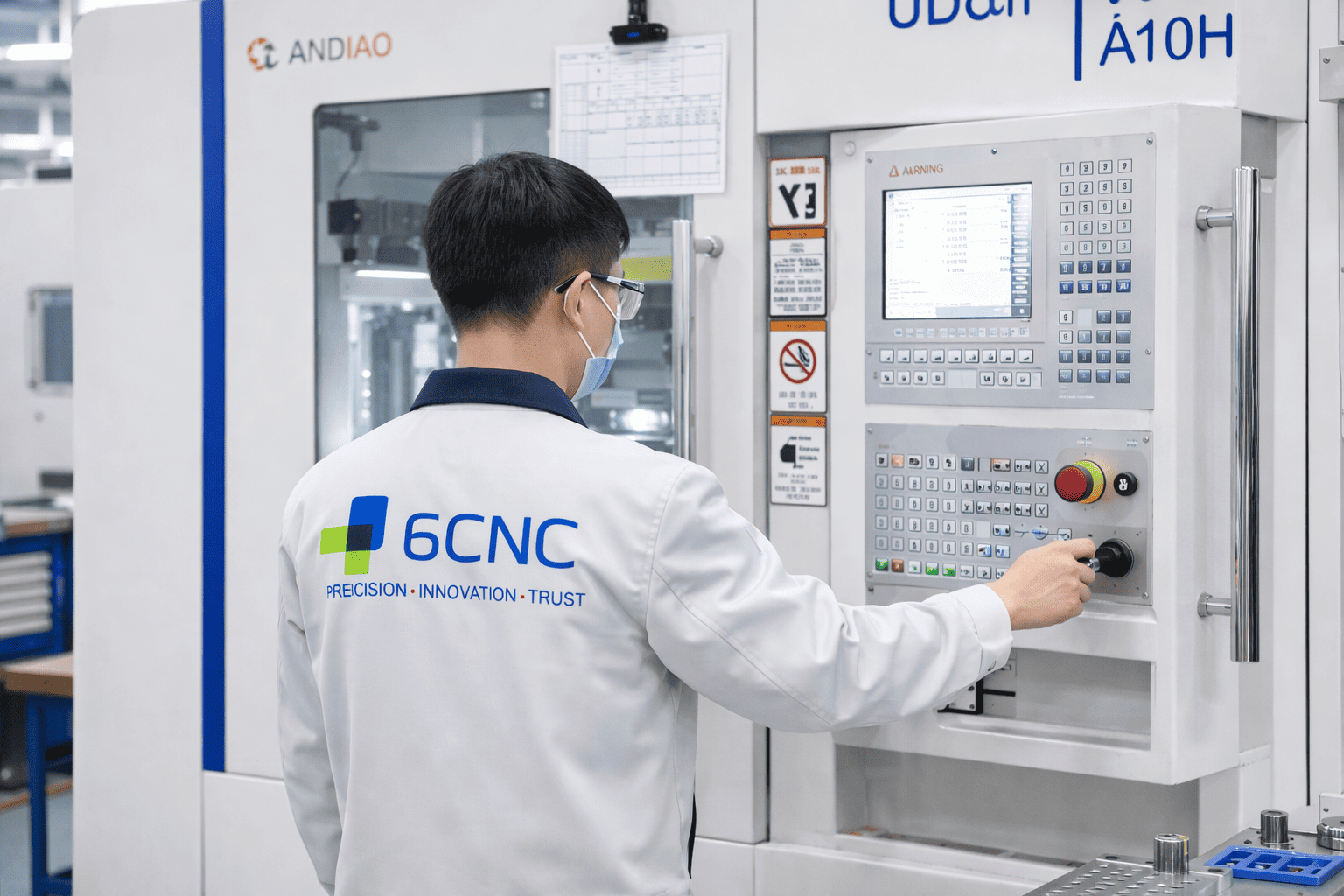
6CNC is a precision manufacturing partner focused on custom marine and vessel equipment parts.
What you can expect:
on-demand custom manufacturing for metal and plastic parts
support from prototype to production
multiple machining capabilities in one place
stable quality across batches
practical engineering support
FAQ About Maritime CNC Machining
What is maritime CNC machining?
It is the process of manufacturing precision components used in marine and vessel equipment such as marine fluid-handling systems, vessel systems, and renewable maritime.
What parts are commonly machined for marine applications?
Common parts include valves, flanges, pump components, and turbine parts.
What materials are used in maritime machining?
Steel, stainless steel, aluminum, titanium, and engineering plastics are commonly used.
What affects machining cost?
Material, tolerance, part size, geometry complexity, and production volume.
Can CNC machining support large components?
Yes. CNC machining can support both small precision parts and large marine and vessel equipment components.
START A CONVERSATION